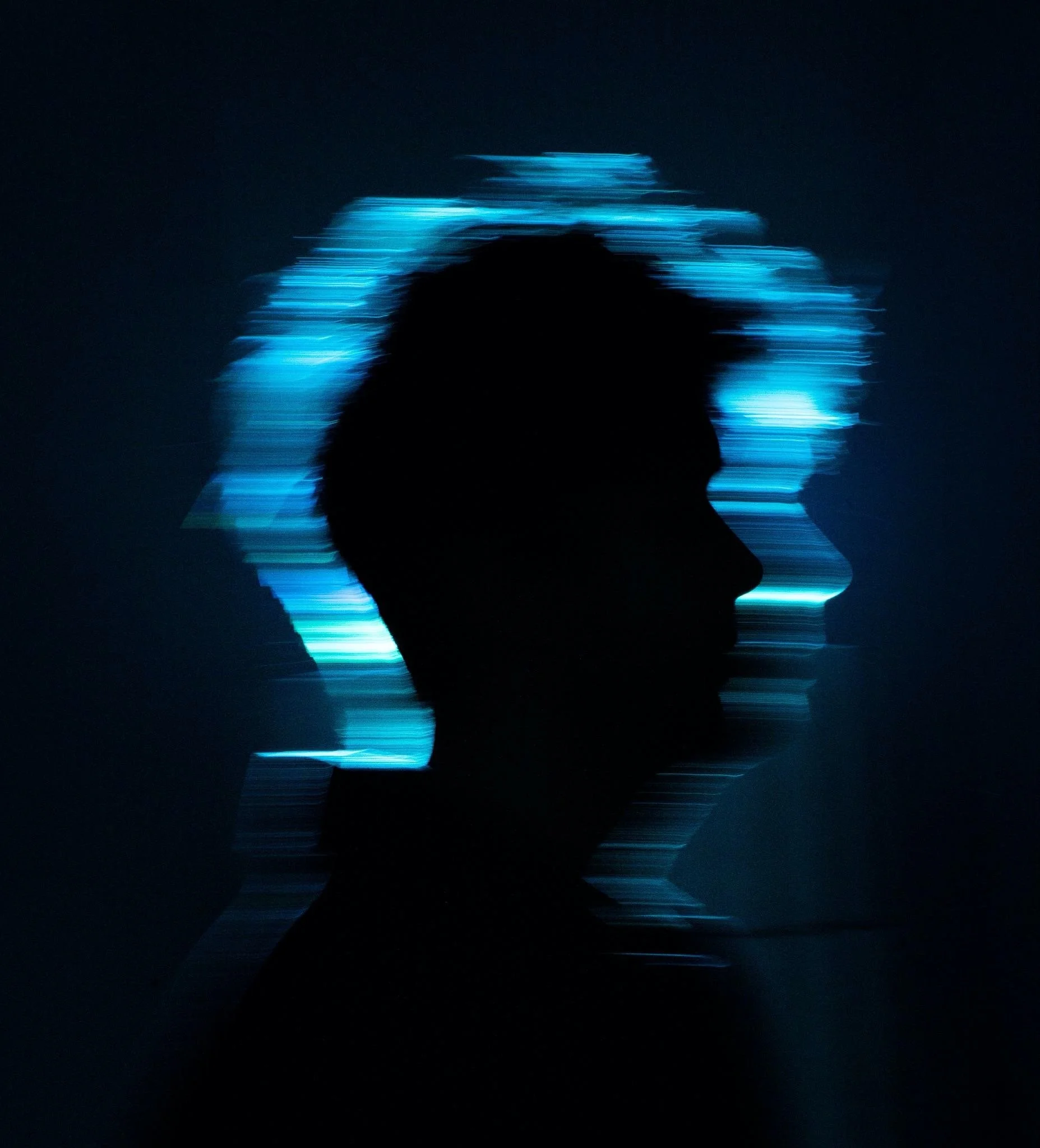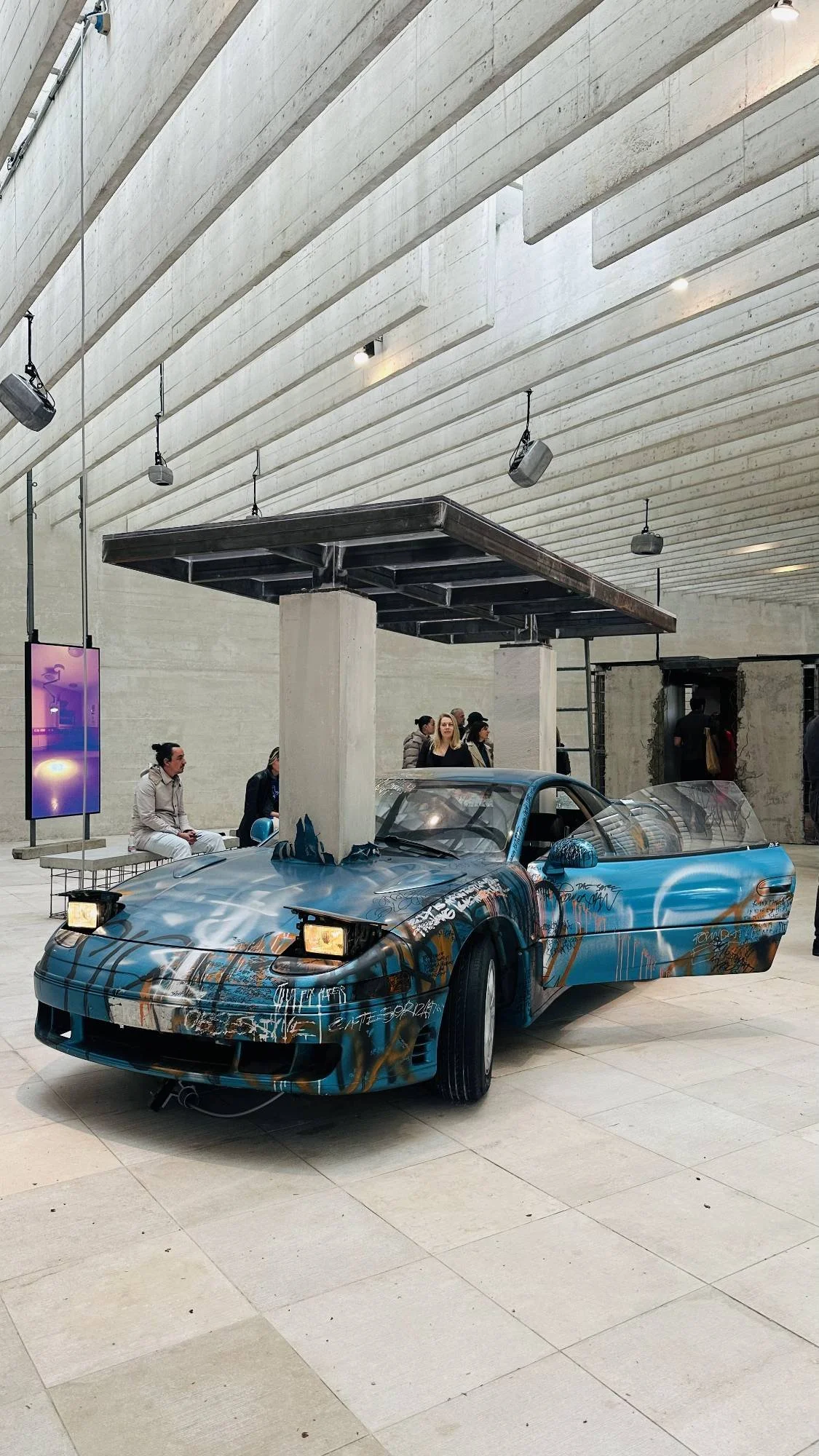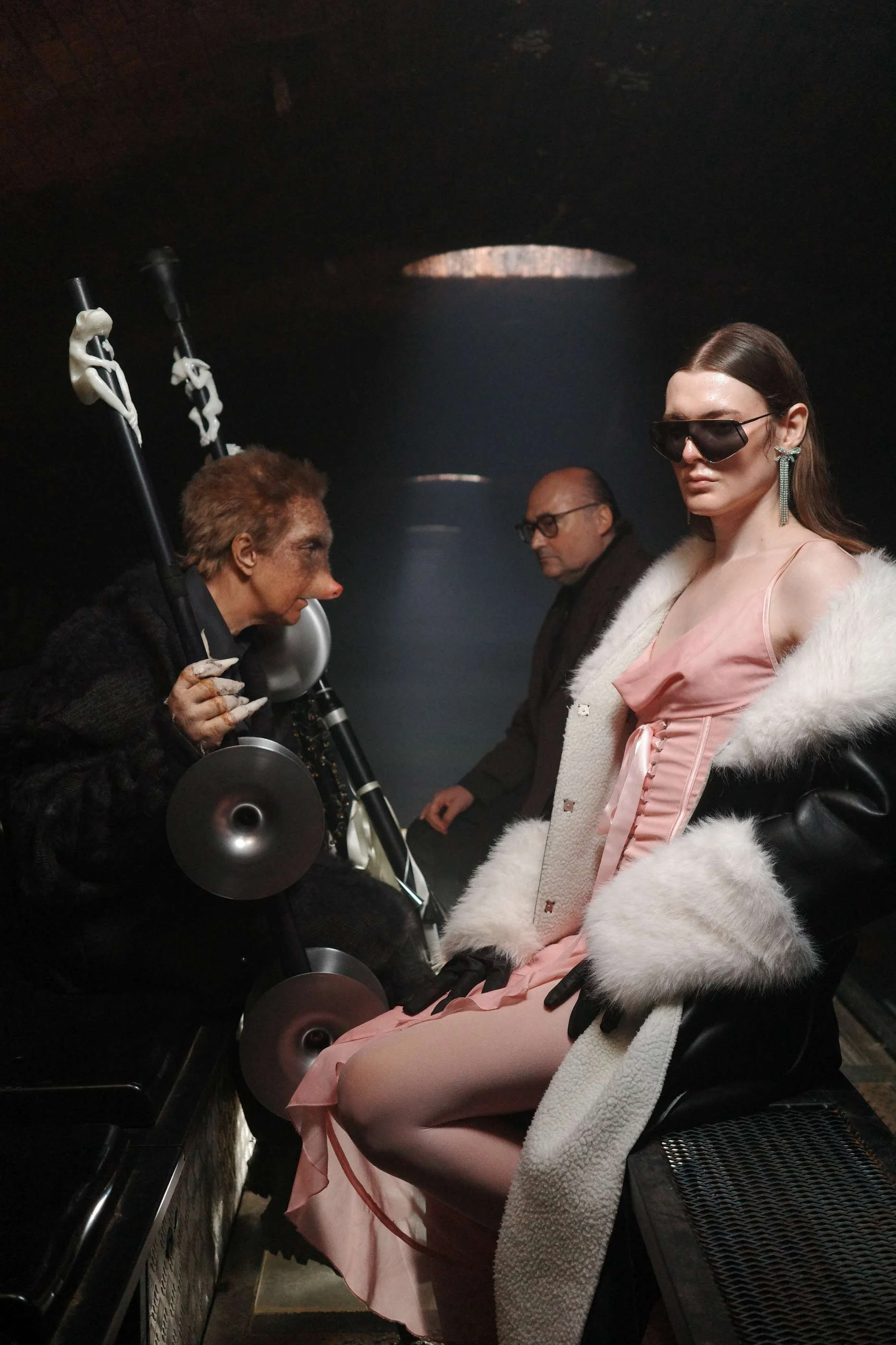
‘The Silence of the Mole’, Jakub Jansa at the Czechoslovak Pavilion, 61st Venice Biennale
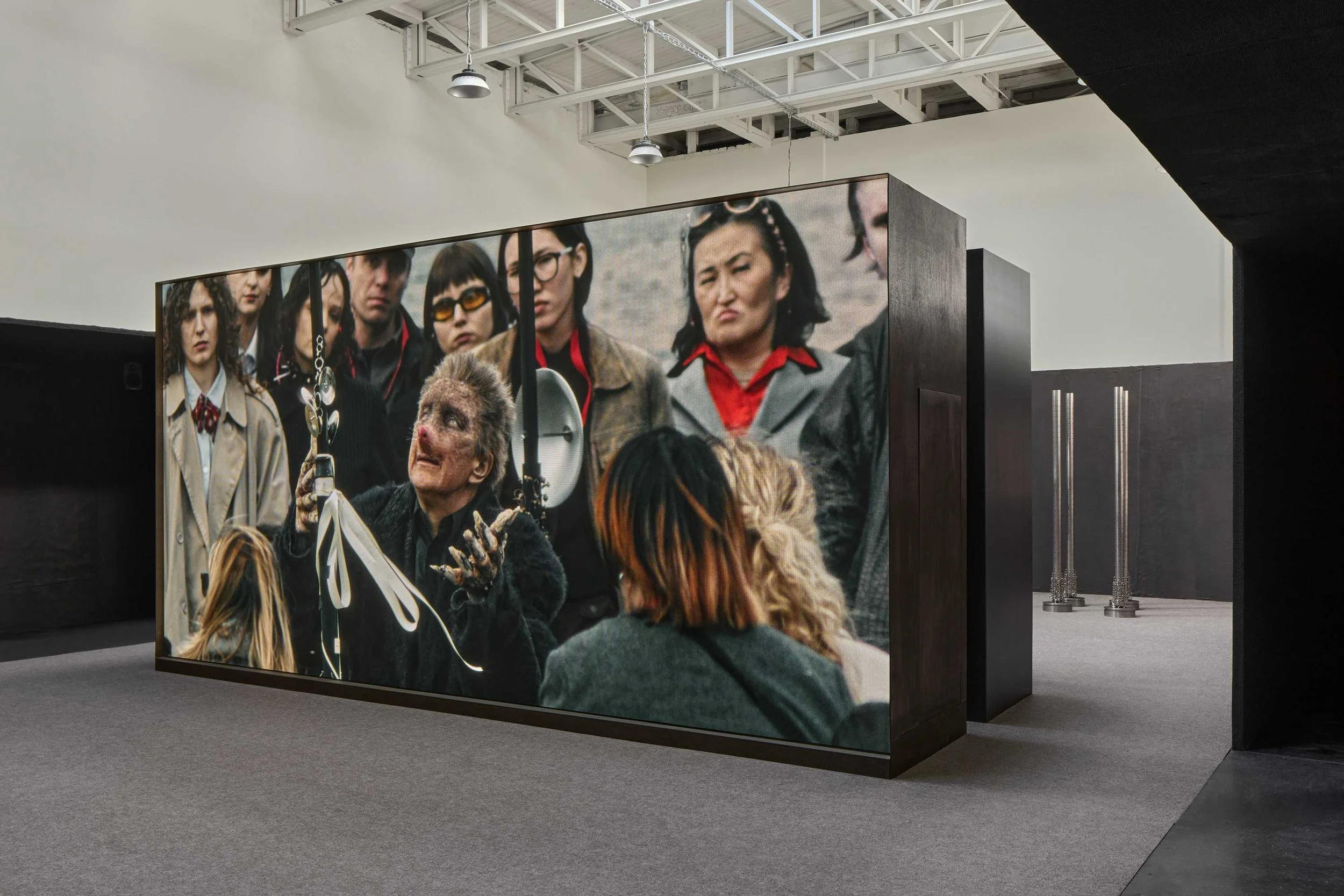
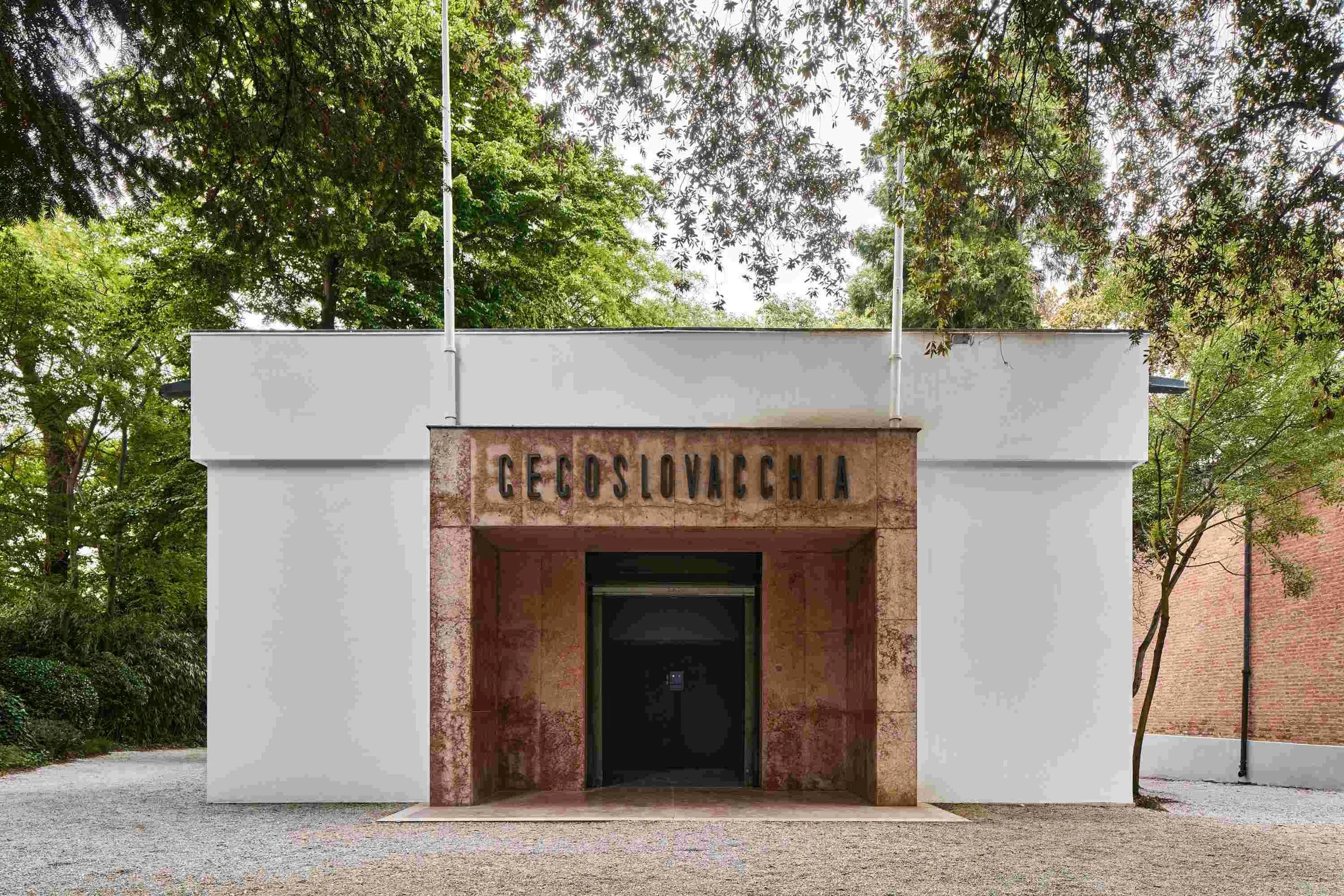
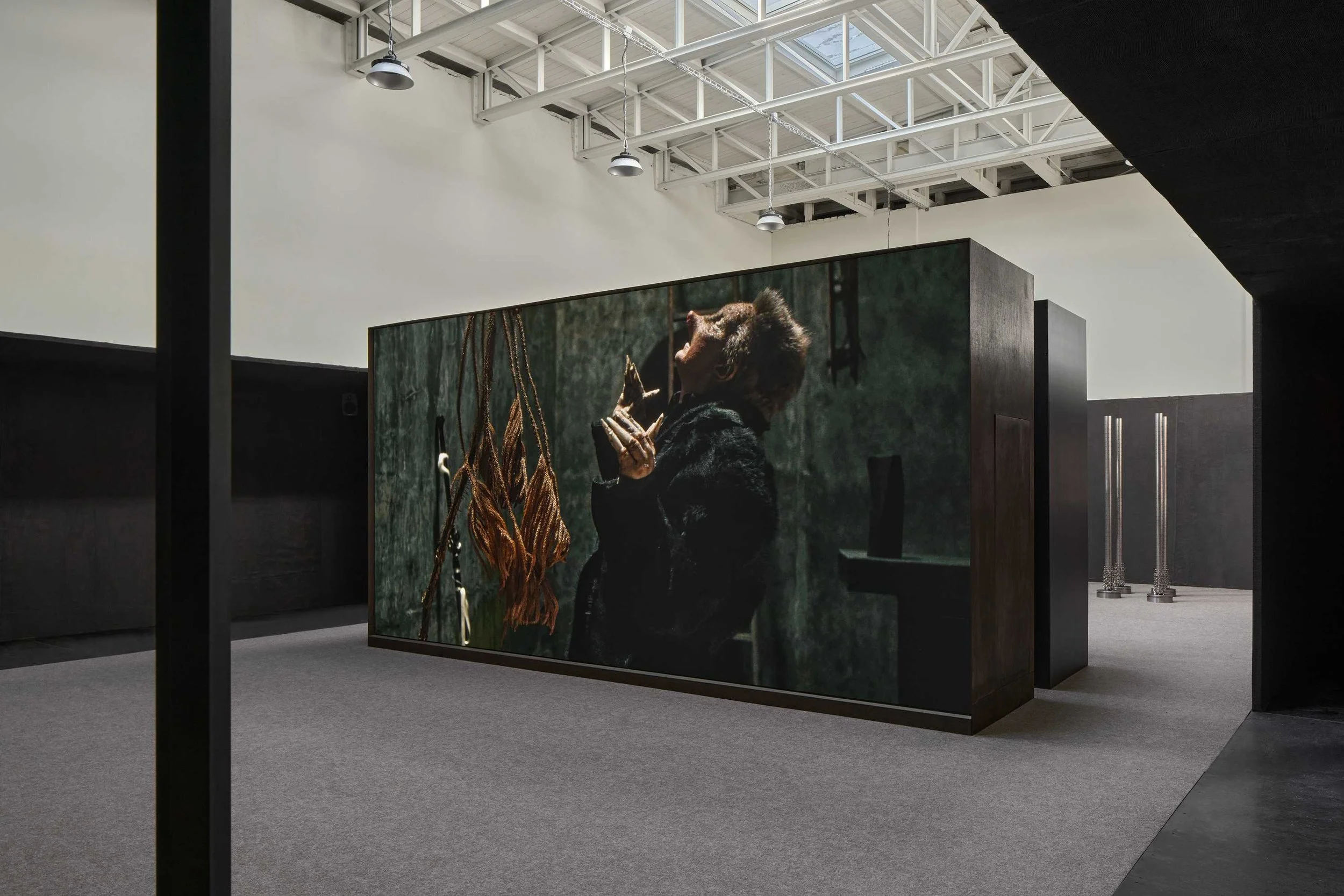
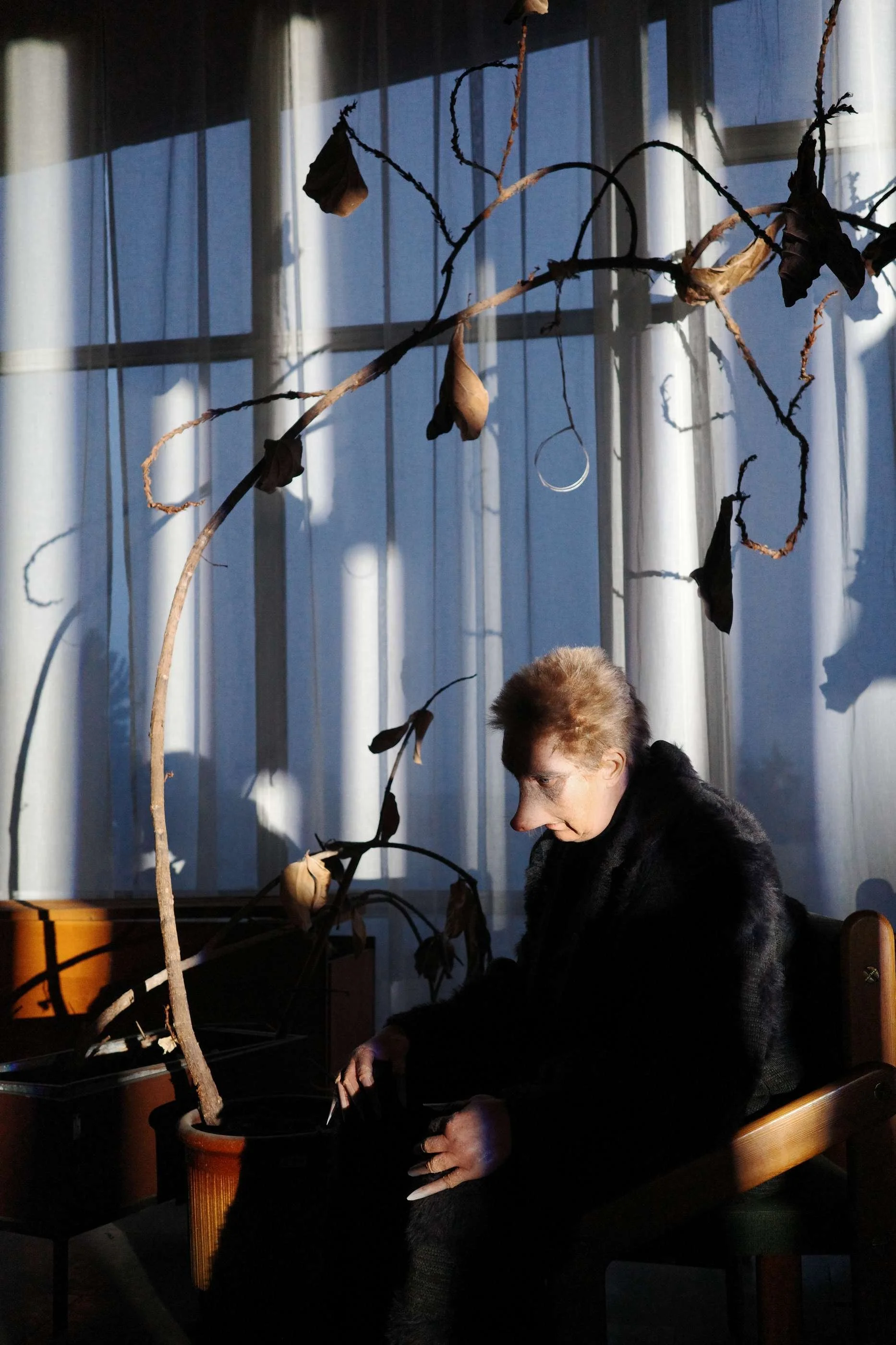
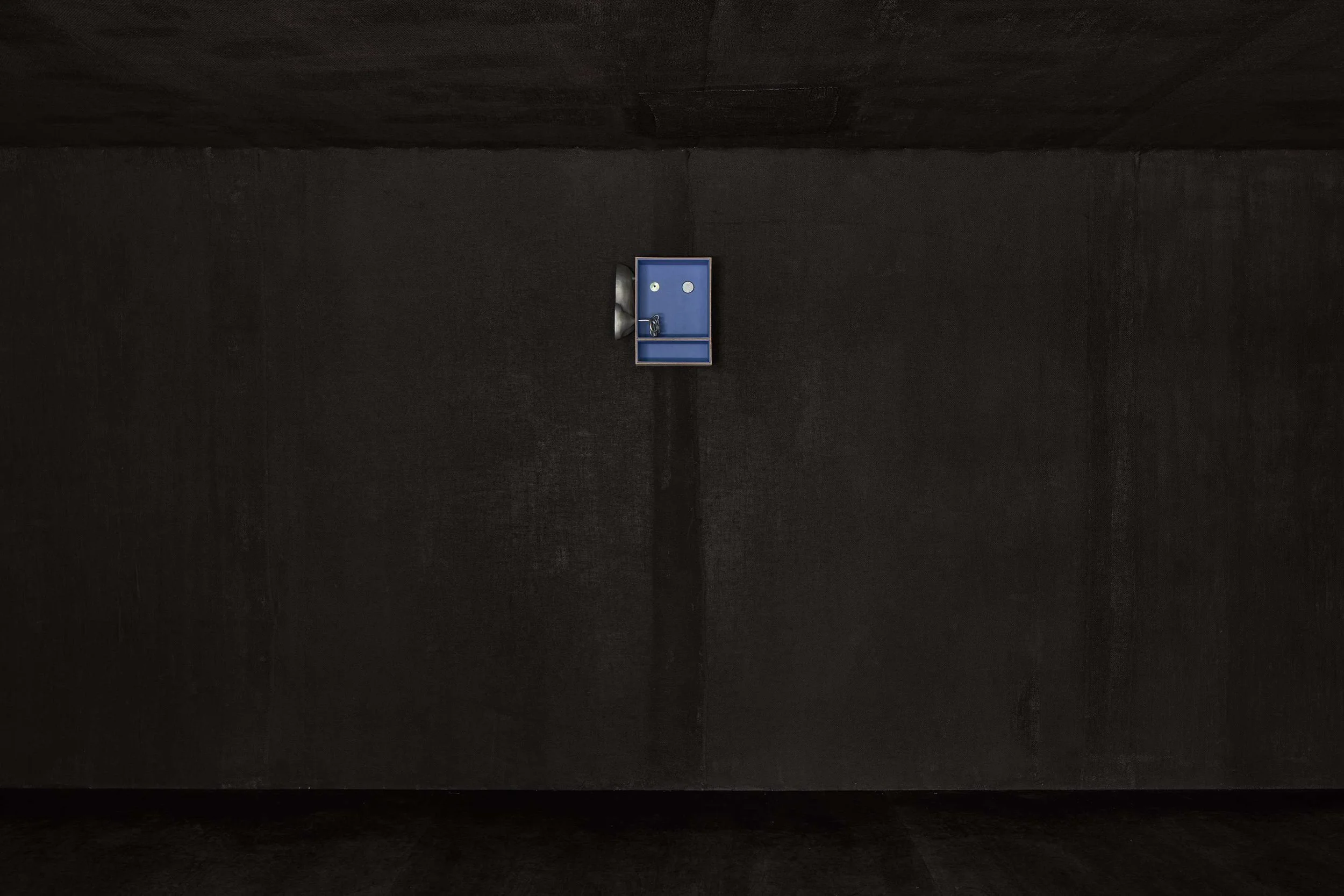
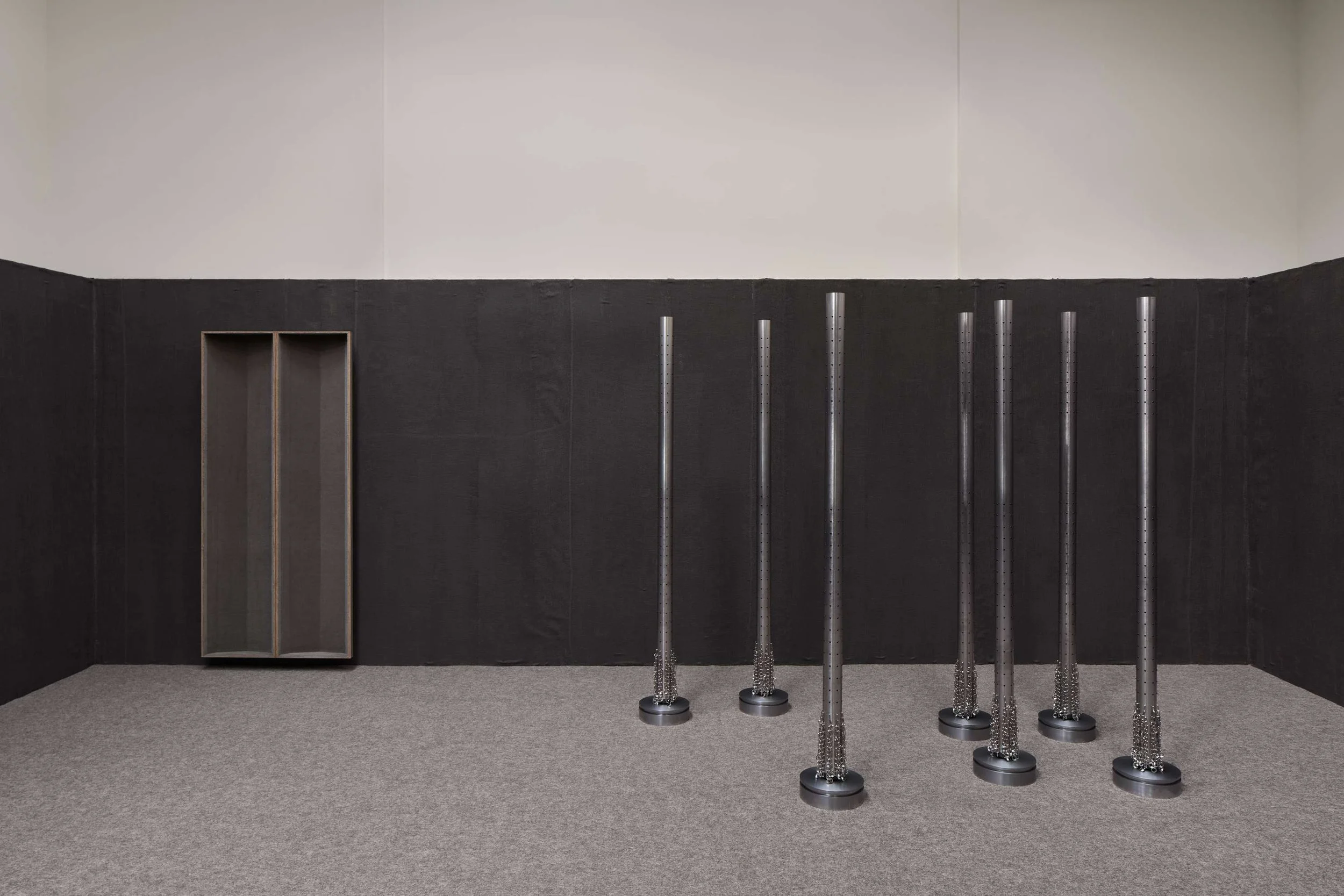
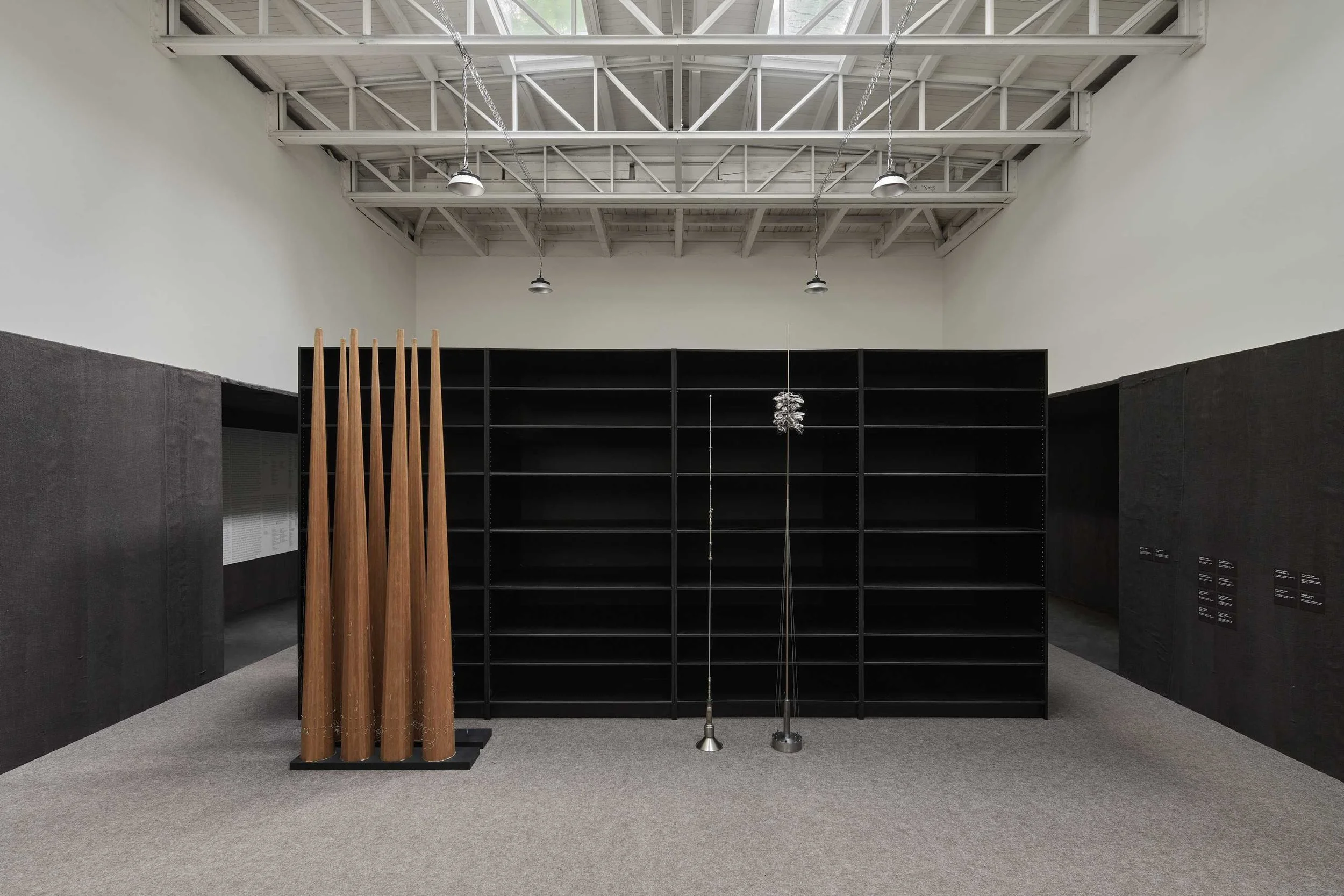
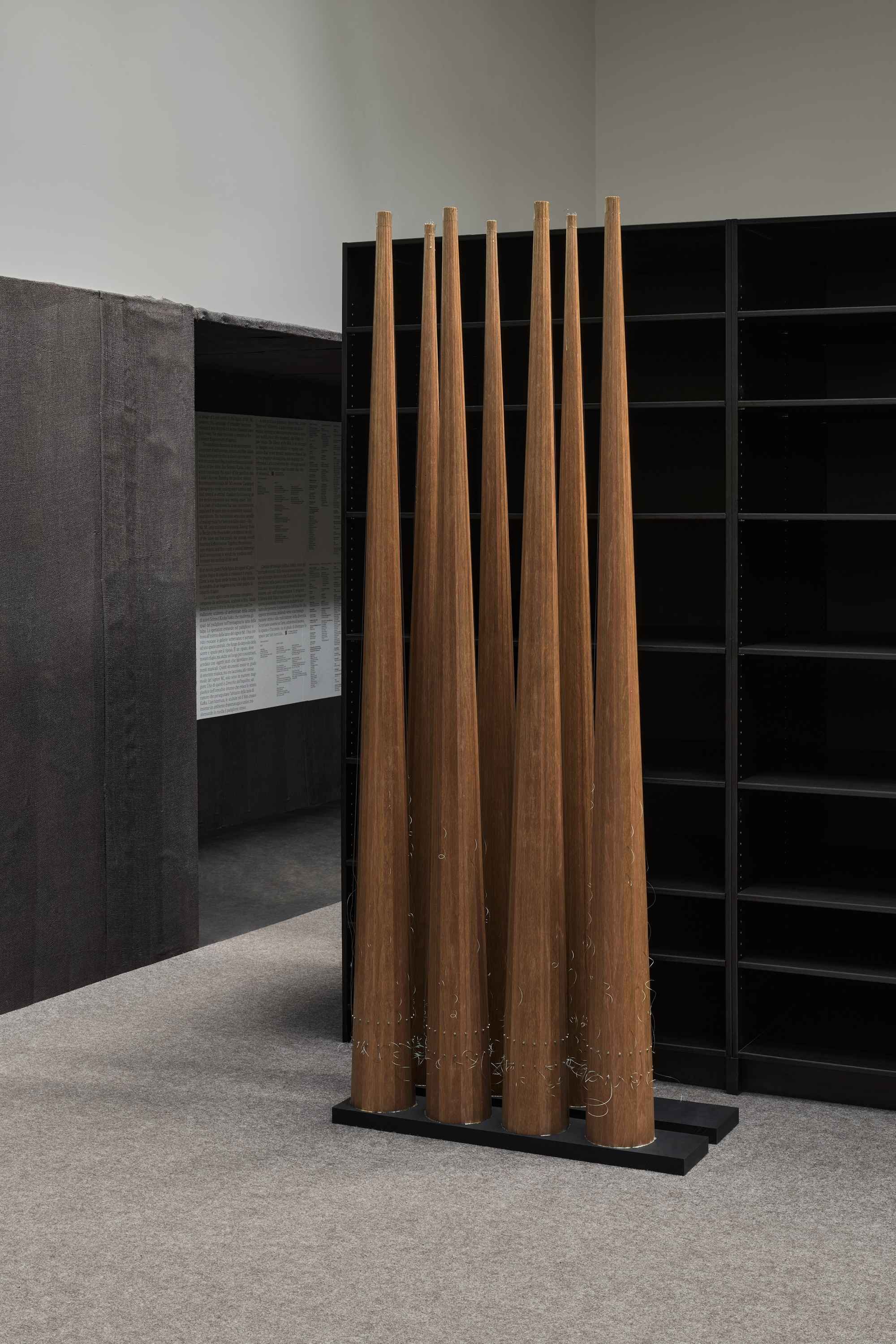
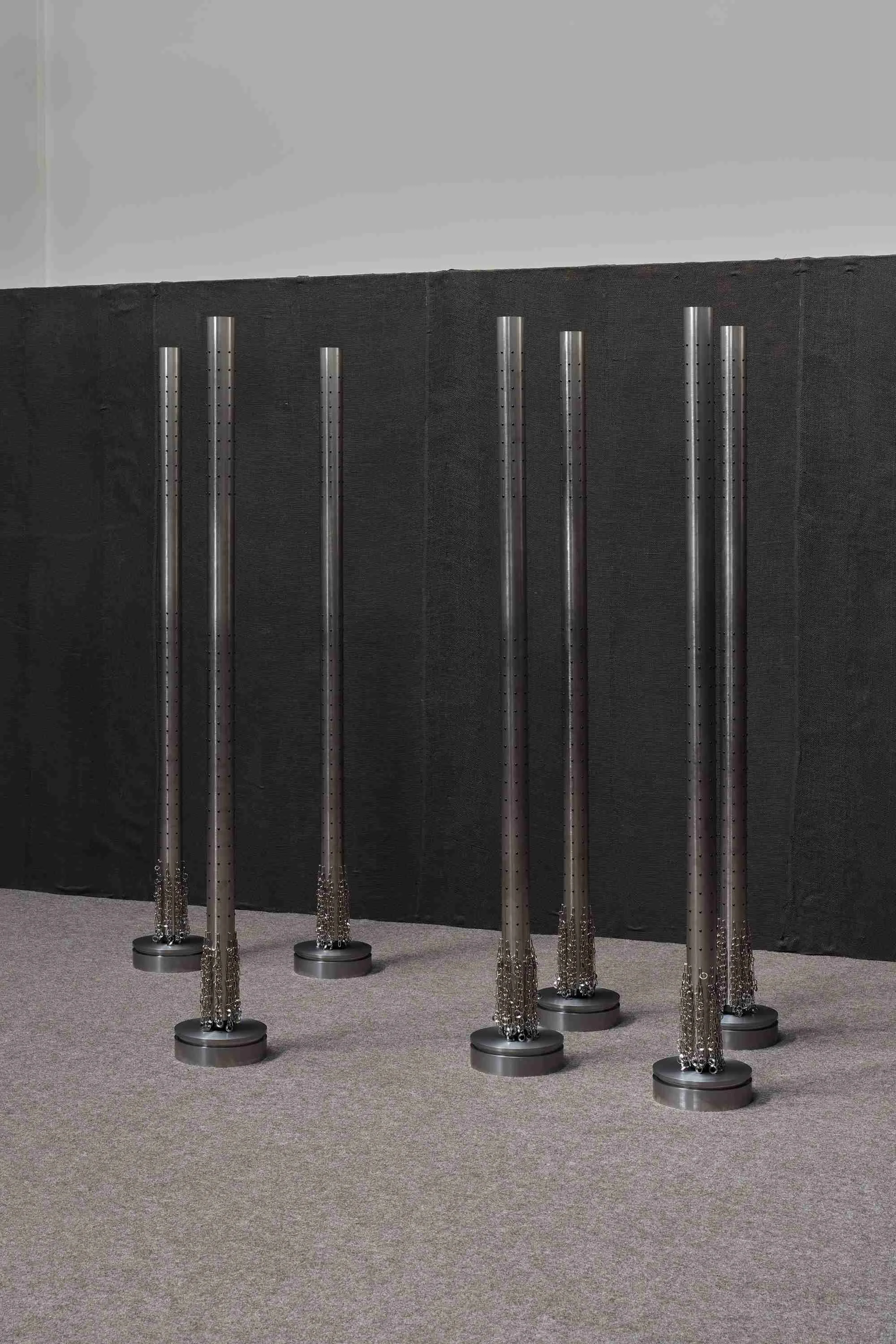
The Silence of the Mole’ reimagines a beloved folkloric icon as a Marxist underdog, an unlikely figure of quiet dissent navigating the Kafkaesque machinery of national representation at the Biennale, where muted instruments signal a refusal to serve cultural diplomacy and statecraft. Jakub Jansa’s film anchors an exhibition that extends into large-scale sculpture by artist duo Selmeci Kocka Jusko, whose objects are derived from the Mole’s instruments and the situation of silence at the work’s core. The whole exhibition is the result of a close collaboration between Jakub Jansa artist duo Selmeci Kocka Jusko, curator Peter Sit. While Jakub Jansa’s film forms its narrative core, Selmeci Kocka Jusko develop a large-scale sculptural installation inspired by the Mole’s instruments and the work’s central motif of silence. Film also features costumes by Karolína Juříková from Overall Office, cinematography by Tomáš Kotas, an original score by composser Oliver Torr. Film was was produced by Closer production and supported by Kodl Contemporary.
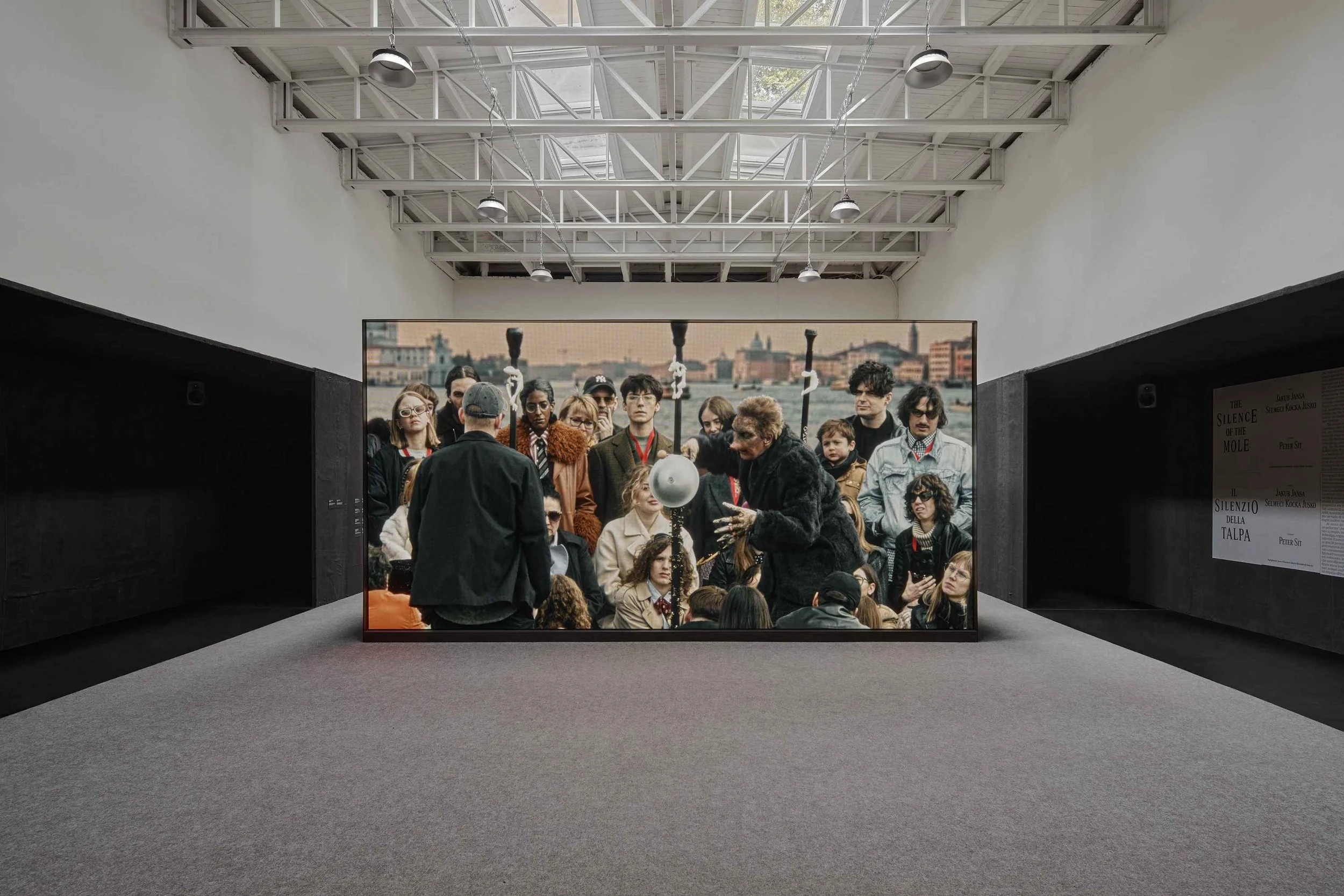
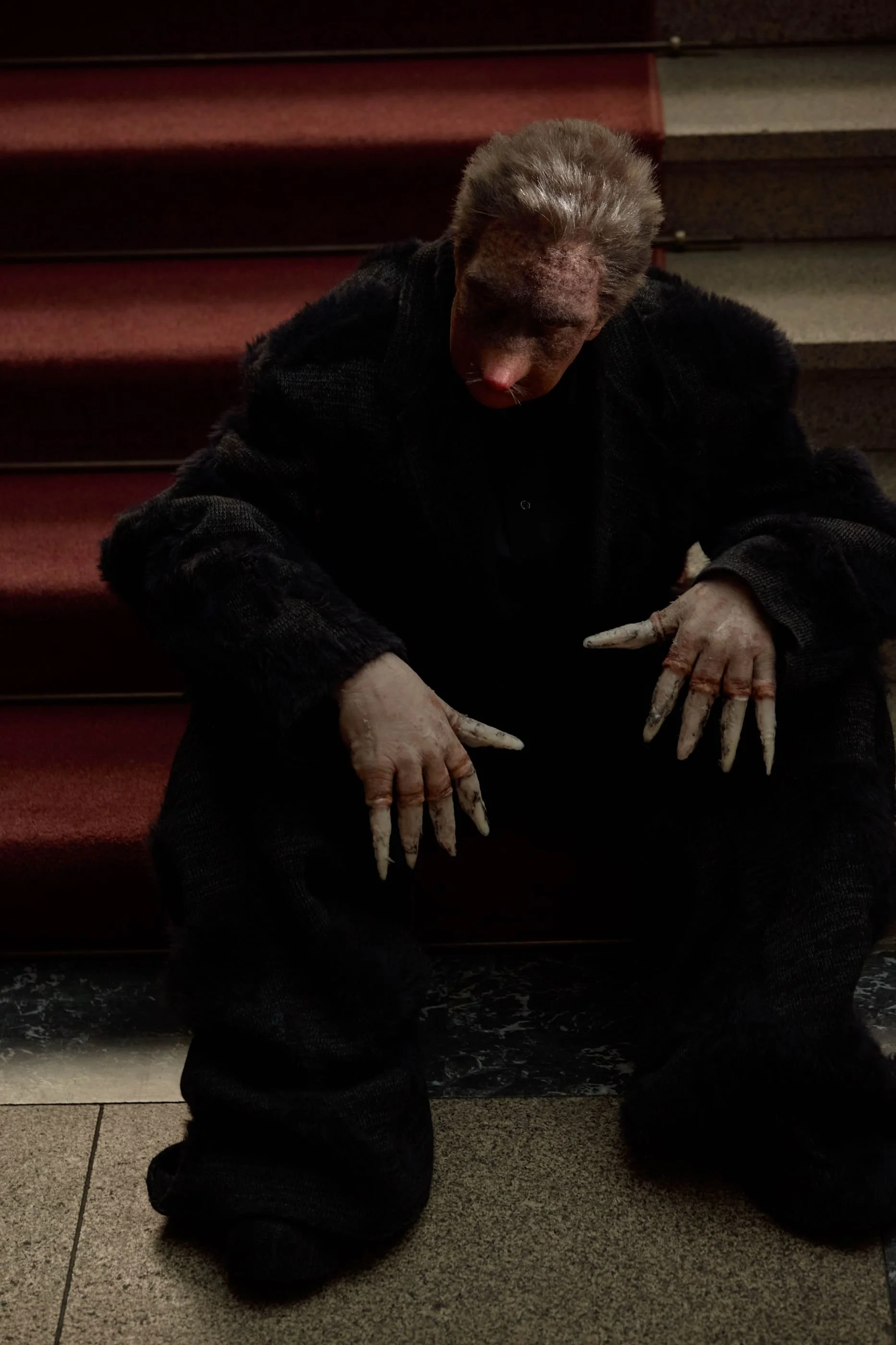
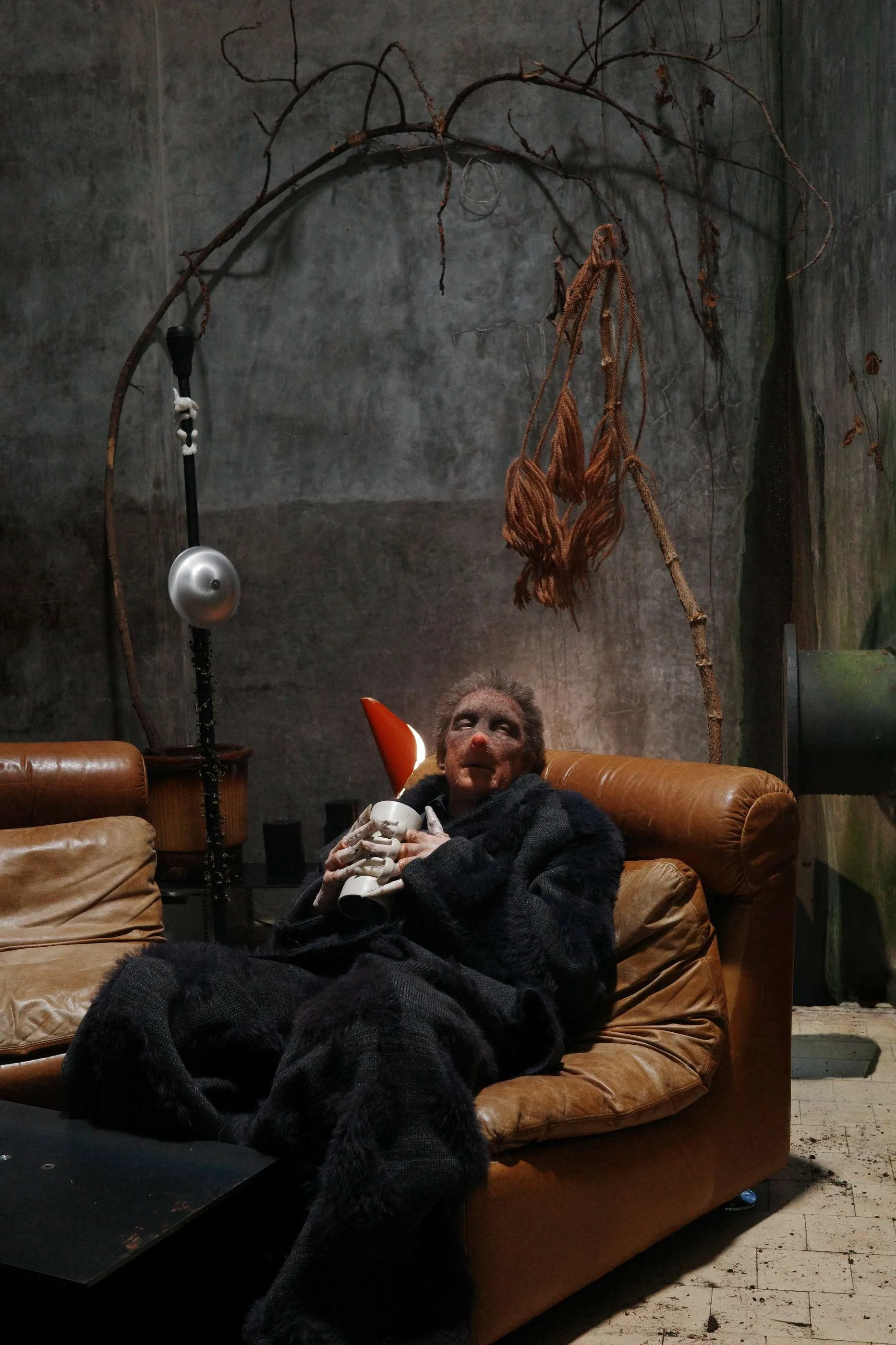
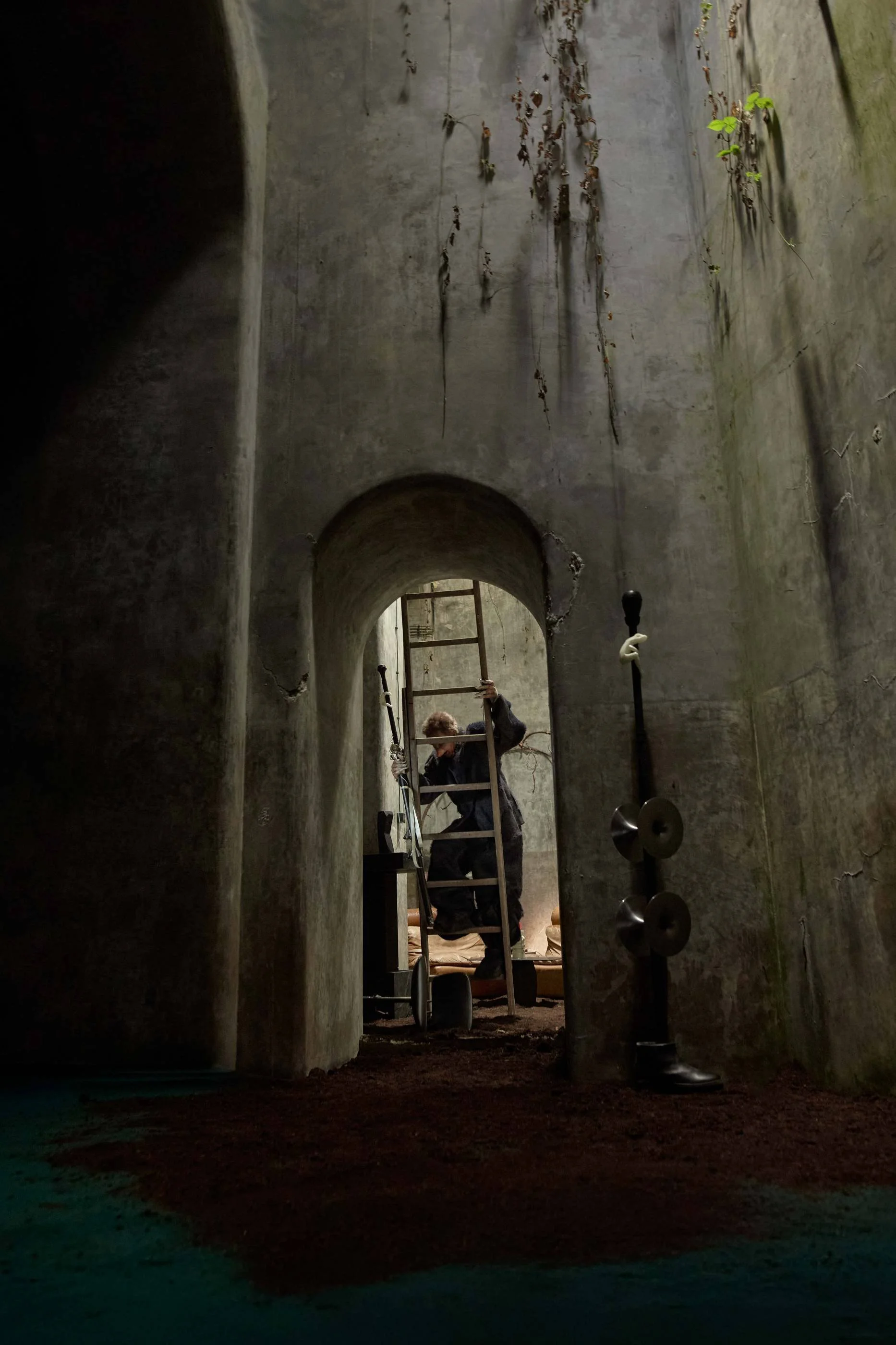
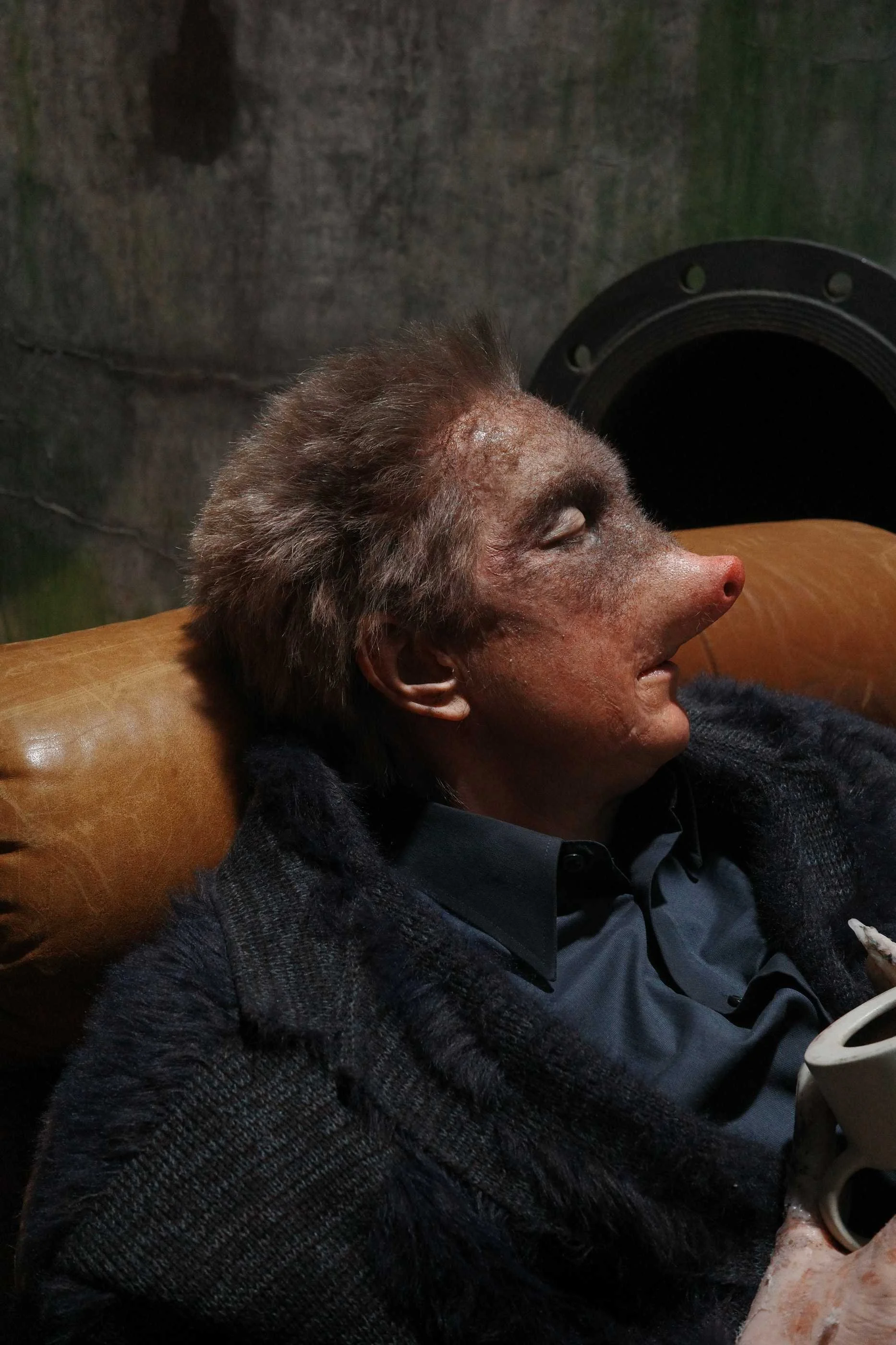
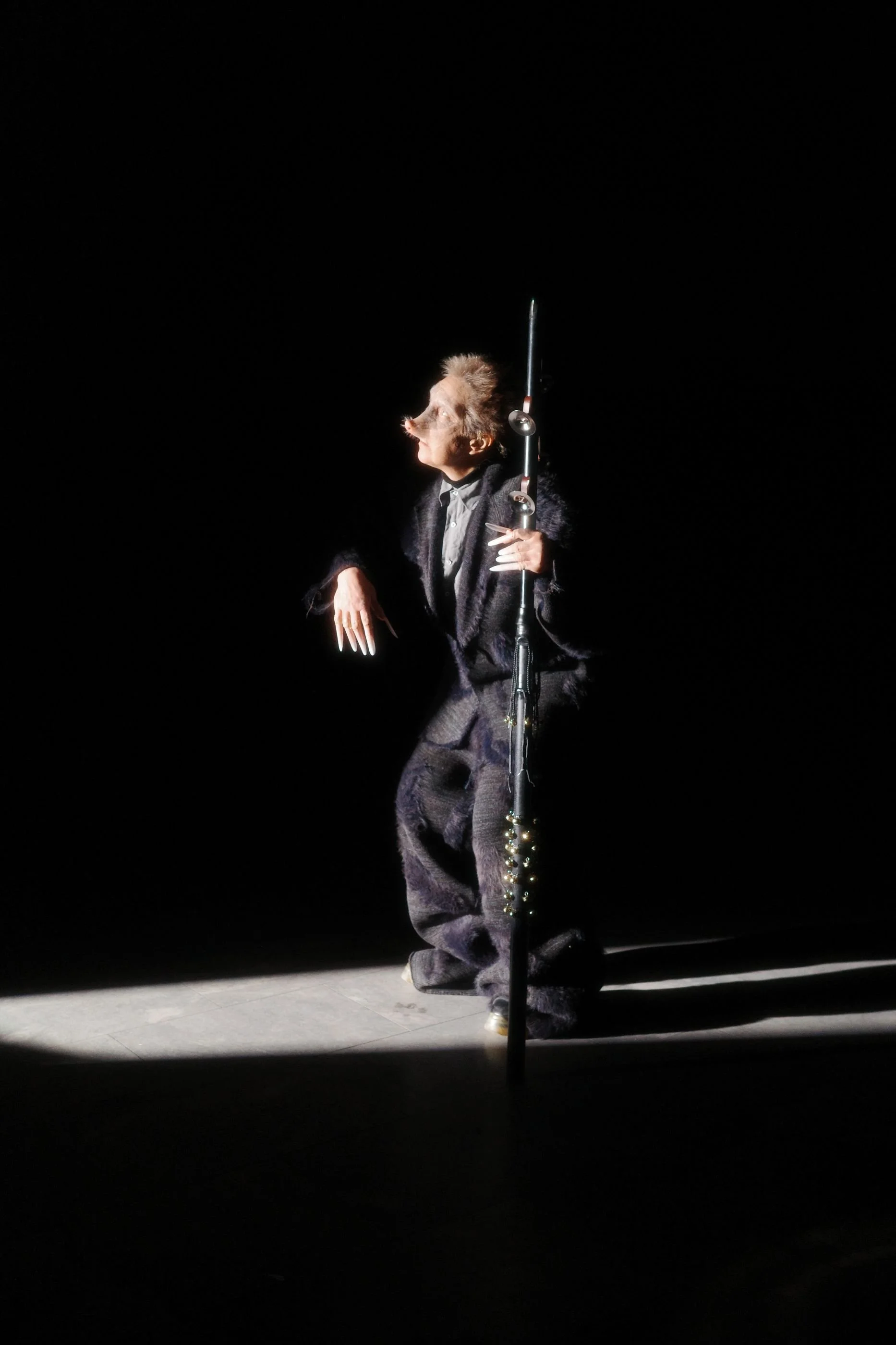
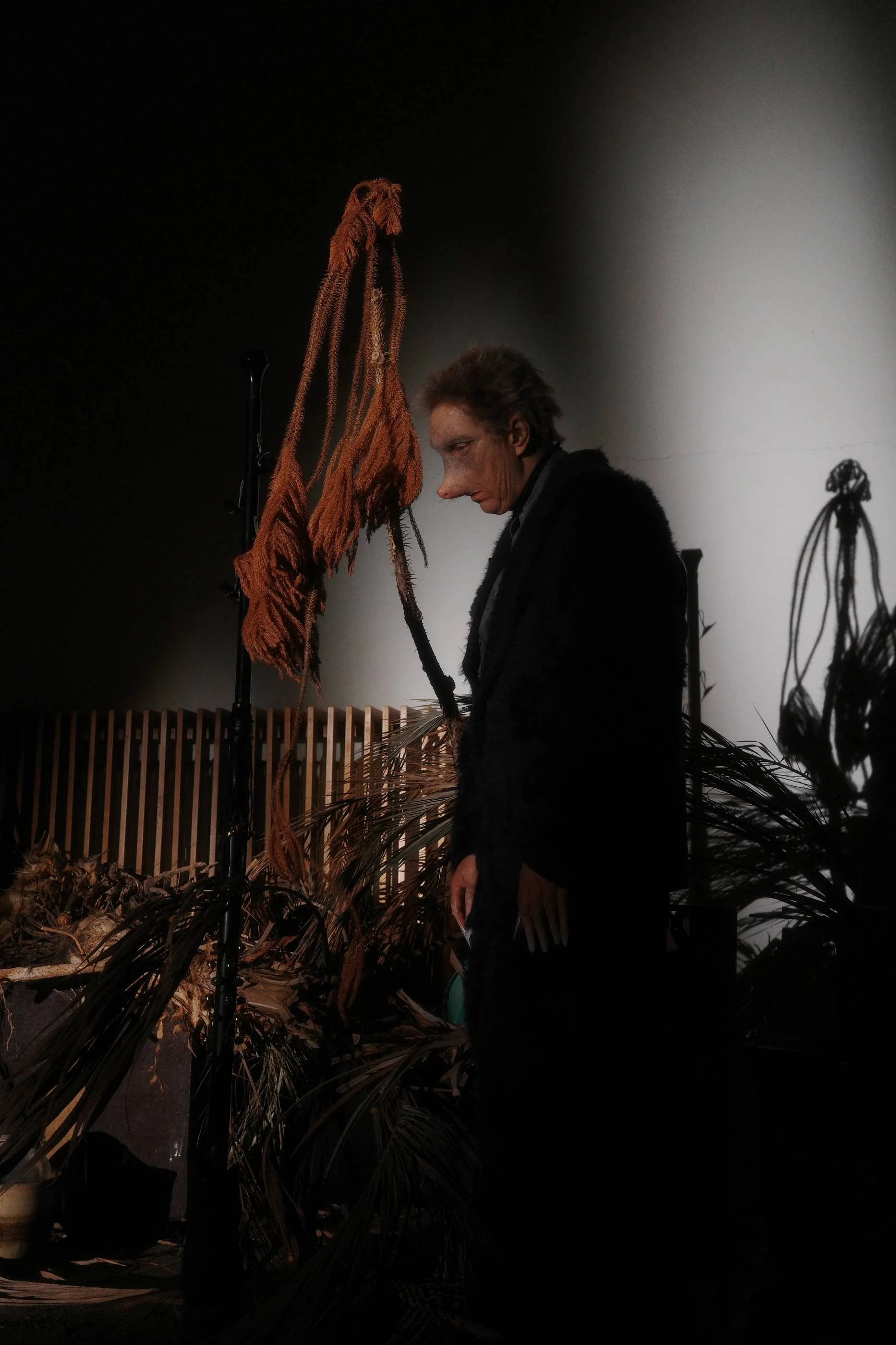
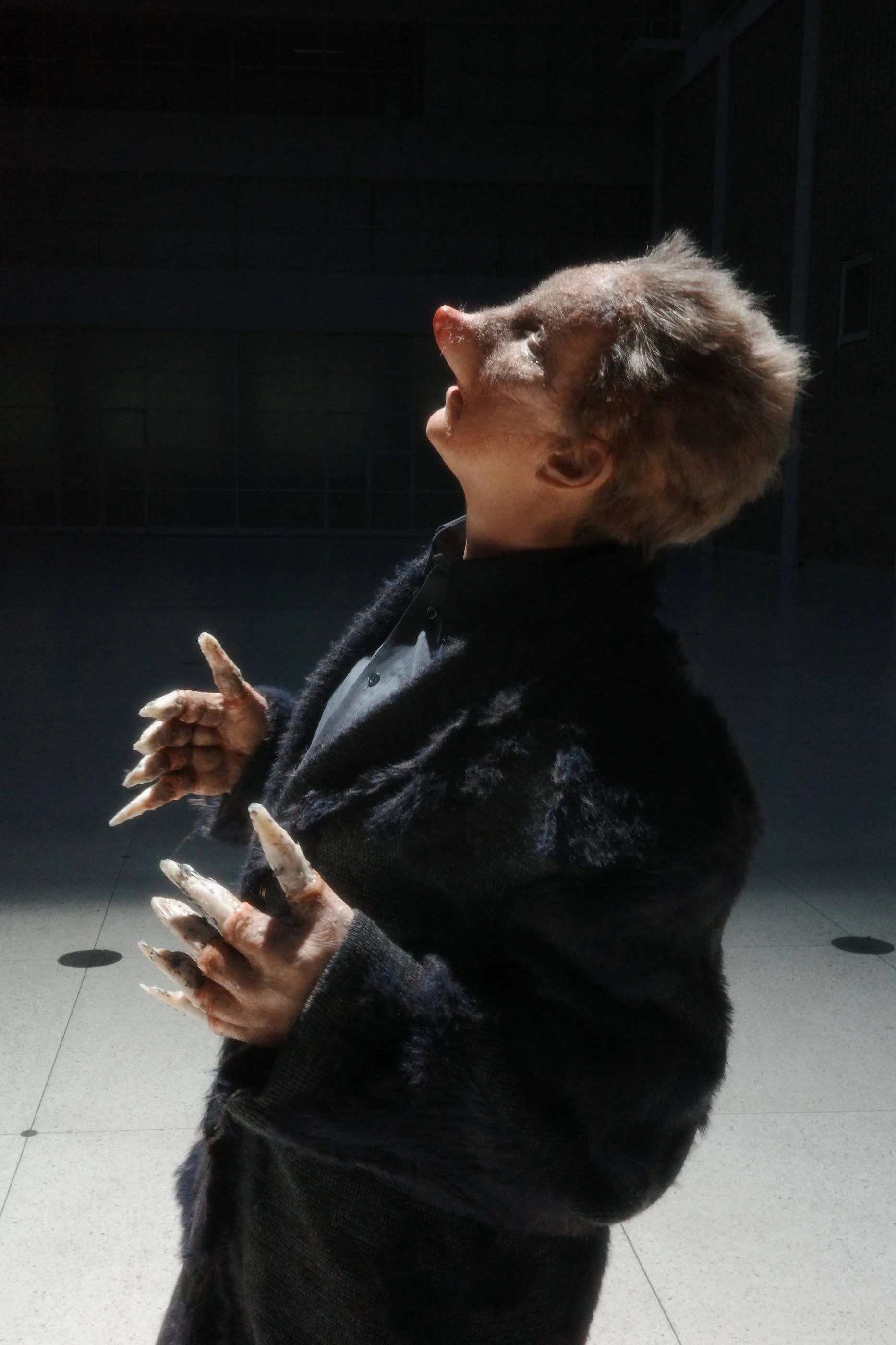
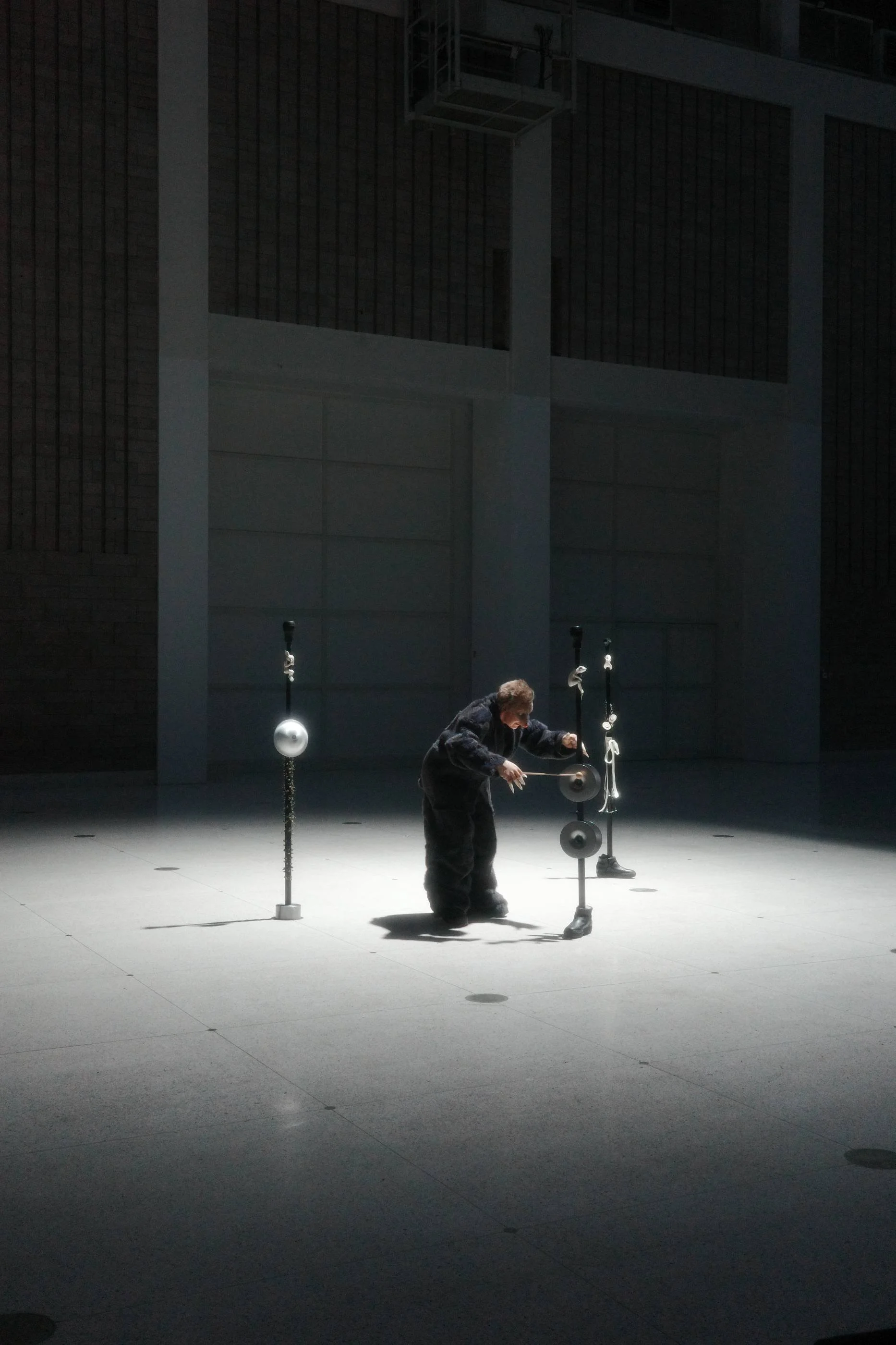
The film follows Mr. M from a hermetic safe space to the high-stakes stage of the gallery system. His ultimate performance involves folkloric instruments like the Vozembouch, yet these objects choose to remain mute. This silence provides the central inquiry of the work: does a refusal to sound indicate a weaponized resistance or a total collapse of agency? Accompanying the film, the sculptures created by Selmeci Kocka Jusko provide physical evidence of this withdrawal. These abstract forms exist as hushed iterations of the instruments, grounding the digital aesthetics of the film in a tactile, albeit silenced, reality.
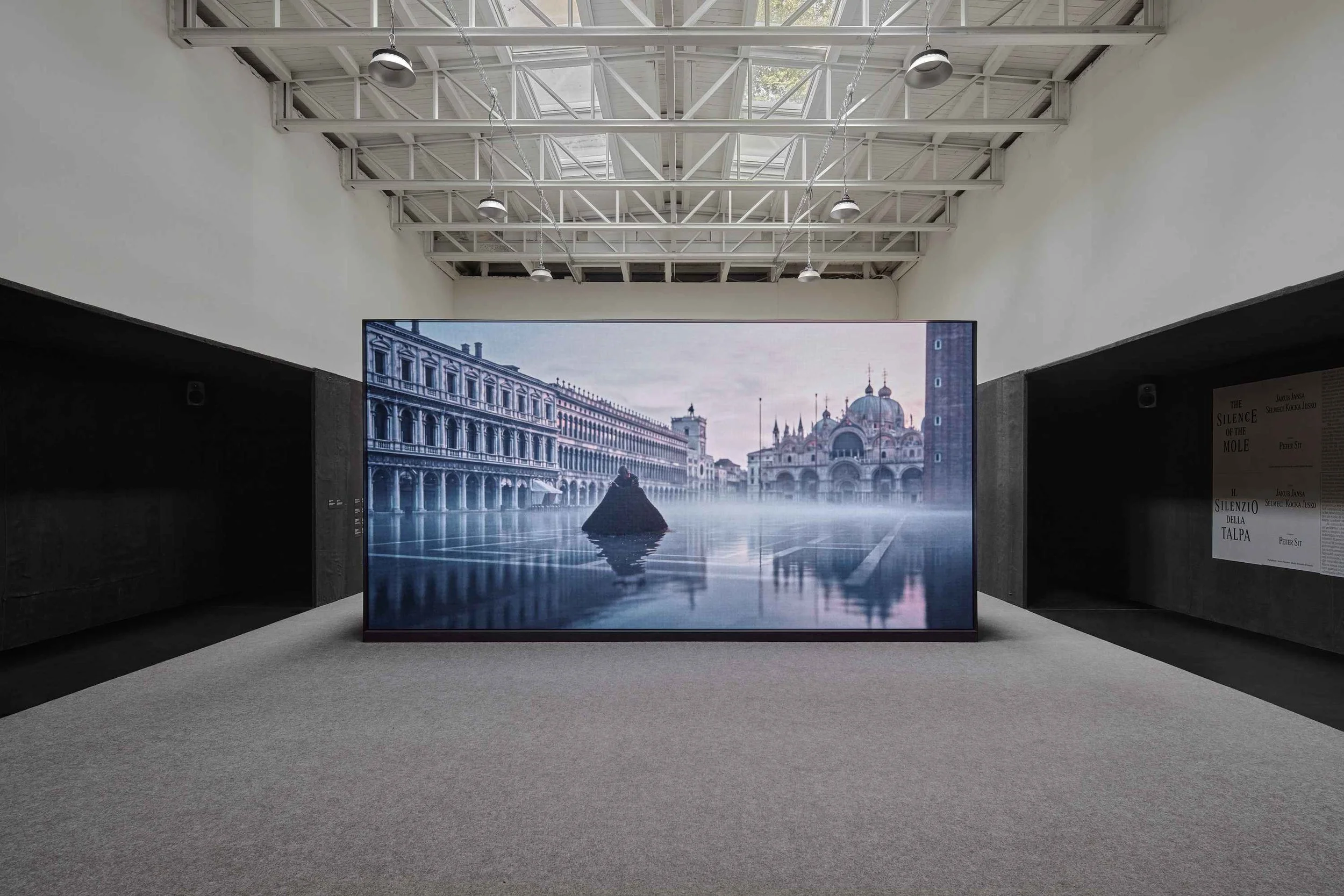
The project was commissioned by the National Gallery Prague to mark the 100th anniversary of the Czechoslovak Pavilion at the 61st International Art Exhibition of La Biennale di Venezia, with Michal Novotný serving as commissioner. The project acknowledges its own position within the structures it critiques. Jansa, moving away from previous botanical metaphors of class struggle, addresses the specific weight of the national pavilion. The resulting installation offers no easy resolutions or comforting slogans. Instead, it provides a portrait of the paralysis felt when one must represent a nation that is itself undergoing a terrifying ideological shift. It is a sophisticated study of the underdog’s failure to satisfy the demands of an elite, often predatory, cultural machine.
Your presentation at the pavilion offers a complex narrative regarding cultural agency. What served as the primary catalyst for this project, and how did it reach its final form?
The conceptual core was an investigation into "stolen fantasy" and its transformation into a mechanism of soft power. It serves as a reflexively honest account of our own dilemmas, specifically the implications of representing a national pavilion during a period of profound political darkness and the global ascent of the far-right. In our search for a protagonist capable of navigating this tension, we looked to the history of Czechoslovak animation and settled on the Little Mole. To us, he epitomized a sort of radical harmlessness and innocence. There was a deliberate absurdity in dispatching such a character to the Biennale, yet in the context of far-right aesthetics, his folkloric and unthreatening nature felt disturbingly appropriate. We soon realized we were crafting a Kafkaesque narrative defined by institutional obstacles. From a Marxist perspective, the mole also functions as a symbol of the "subterranean" worker performing the invisible labor that sustains the surface. The final exhibition, which integrates film and sculpture, is an architectural manifestation of those folded layers.
The filmic component transitions between the protagonist’s solitary life and a more collective, coastal setting. How do these characters interact within the internal logic of your story?
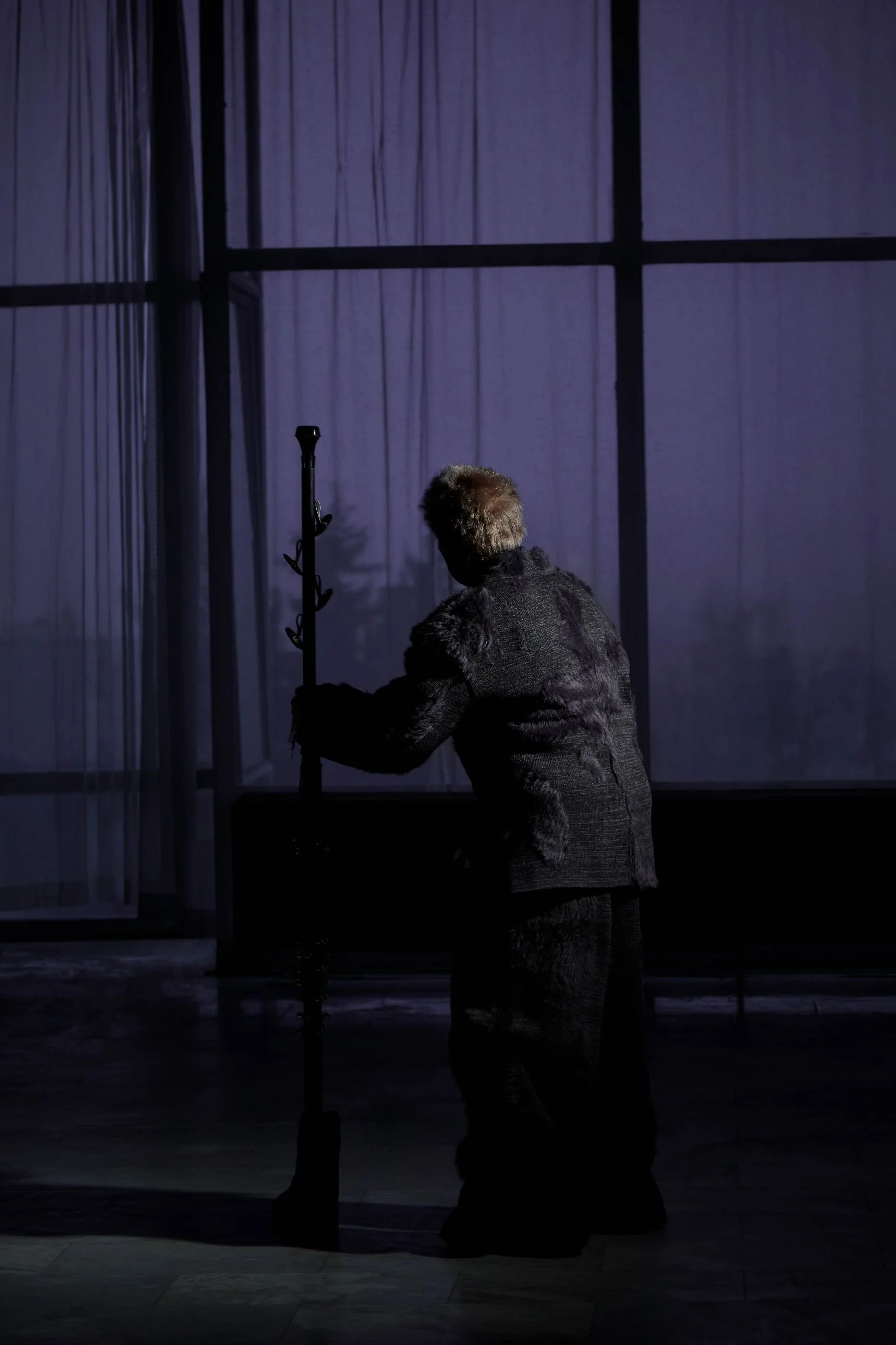
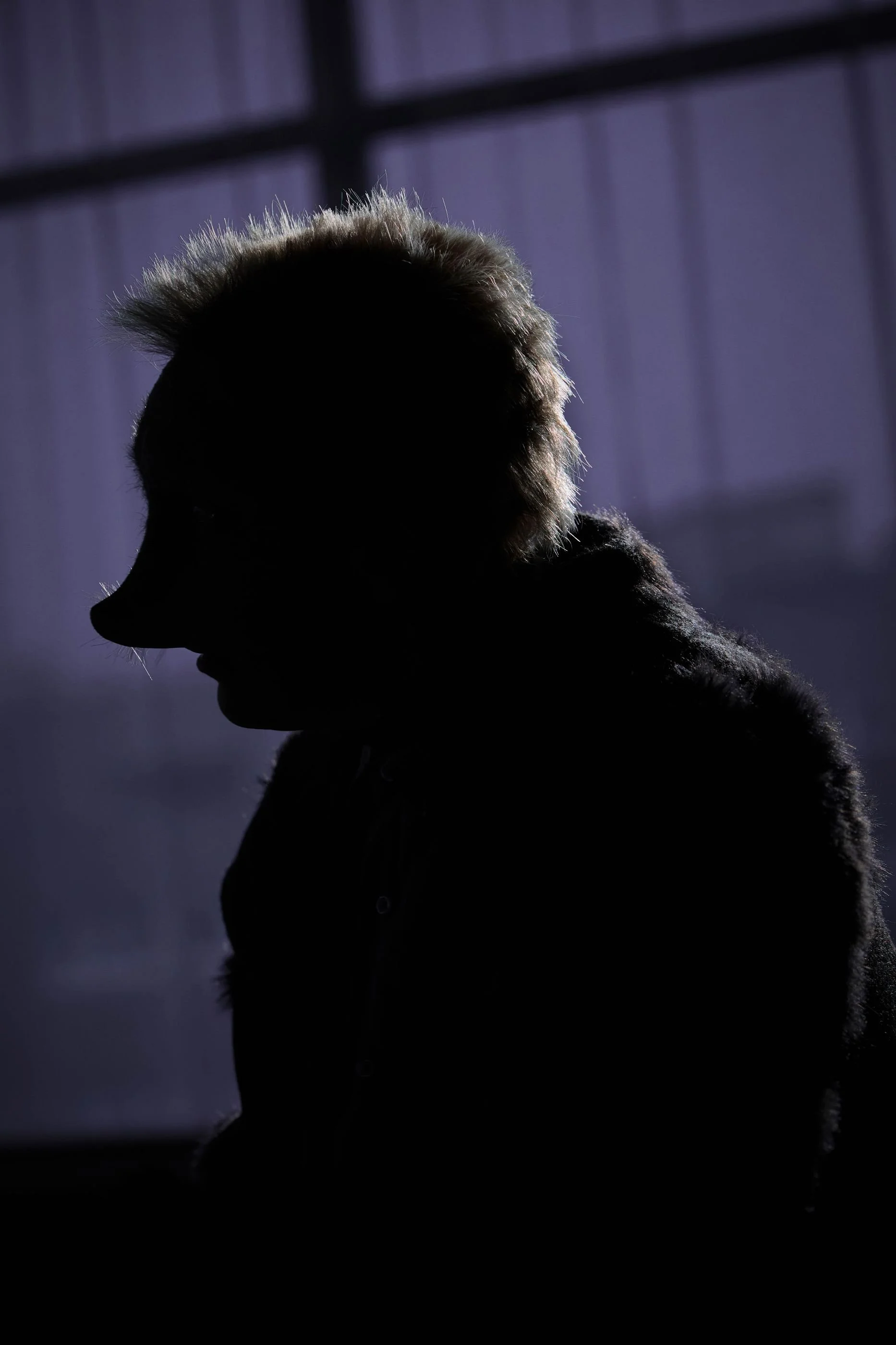
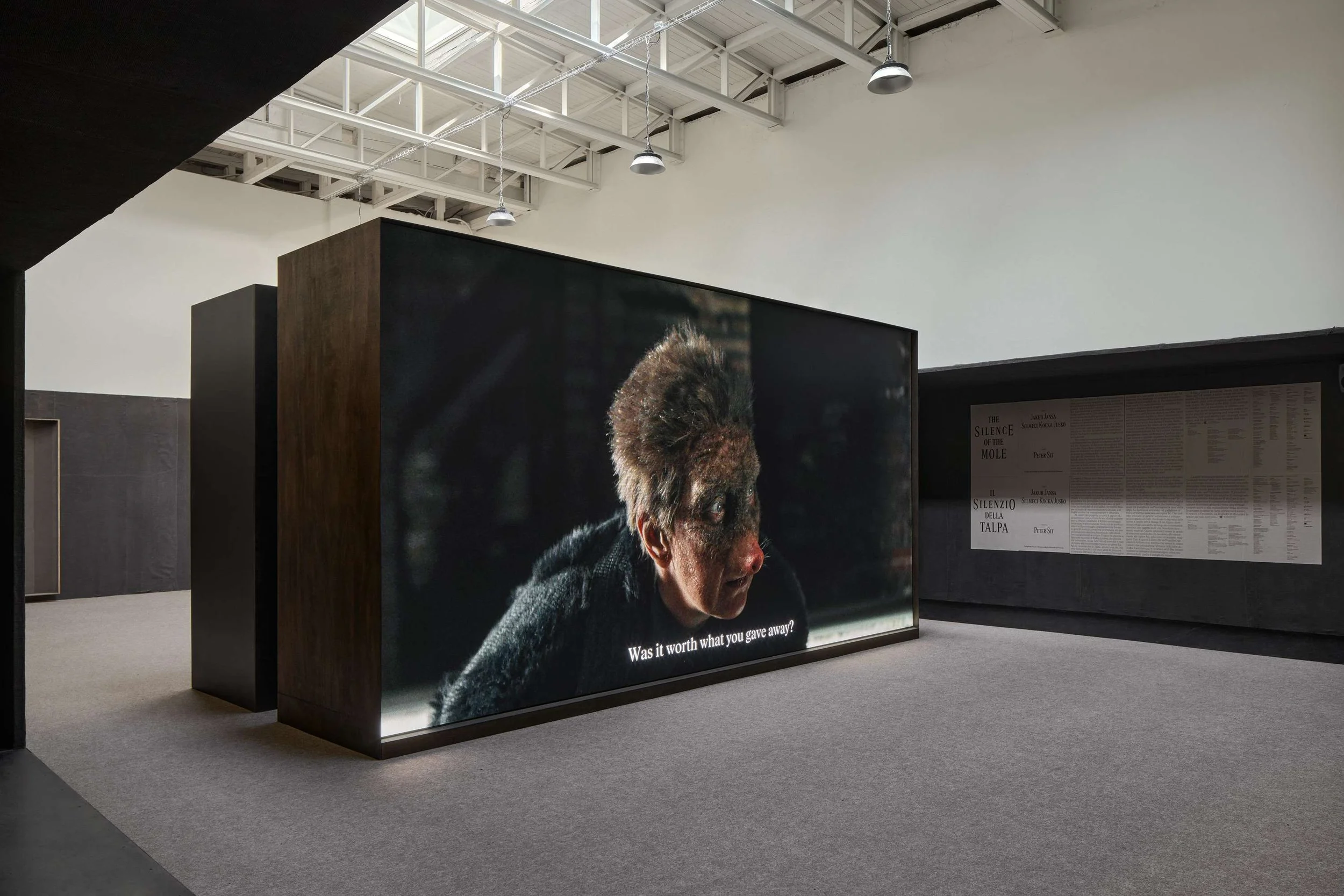
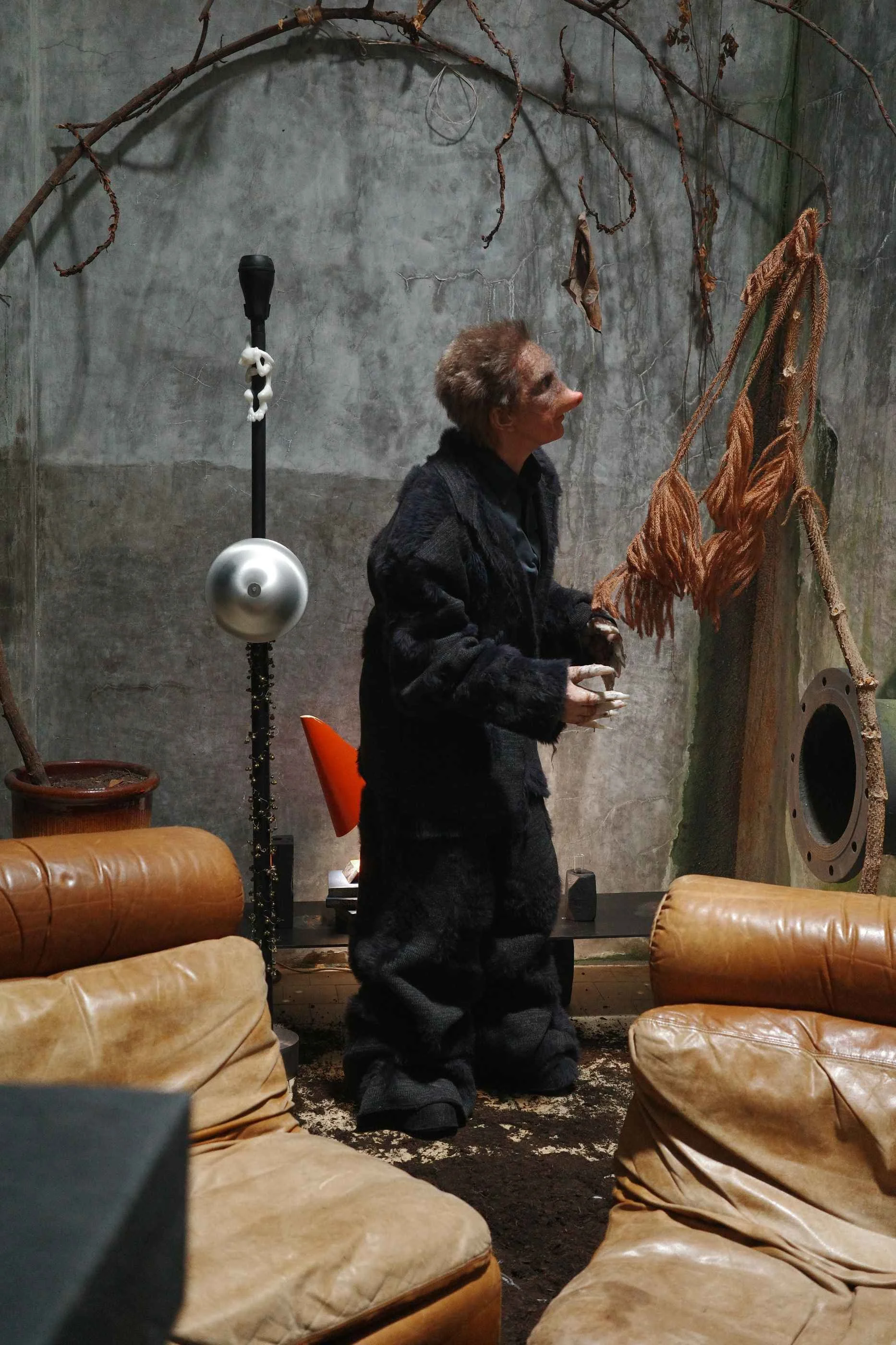
Without revealing the entire trajectory, we observe the protagonist, Mr. M, existing within a hermetic "safe space" where his presence is never interrogated. He is essentially an underdog within the gallery ecosystem, facilitating animation workshops for children. However, he is eventually co-opted by a group of "creators" who identify him as the ideal, benign figurehead for the Biennale. The climax features him performing for a live audience, a performance that ultimately concludes in failure. He attempts to use traditional folkloric instruments from Czechoslovak history, but the instruments themselves choose to go silent. This leaves the viewer with a central ambiguity: is that silence an act of resistance, a weapon or is it merely a gesture of total failure?
It seems you are repositioning a legacy character within a contemporary landscape where traditional victories no longer exist.
Precisely. Our current historical moment is defined by profound disorientation. It is increasingly difficult to determine where to stand or how to act. The film refuses to offer a resolution; instead, it invites the audience to inhabit the dilemma itself. It is a portrait of the precariousness involved in representing a nation when the concept of the nation is being contested by dark political forces.
Regarding the production, the film balances location shooting in Prague with an extensive digital layer. Could you elaborate on how that technical process informed the aesthetic?
The post-production phase was exhaustive. We utilized blue screens and studio environments extensively, which necessitated a high degree of visual effects work by our VFX artist Lucas Seidl. While the process was exhilarating, the pressure of managing such complex digital layers up until the final deadline was immense. While we originally envisioned filming on-site in Venice, budgetary constraints dictated a digital approach. In the end, the digital translation perhaps better reflected the "fantasy" themes we were exploring.
How did you navigate the financial and institutional requirements of a project on this scale?
The National Gallery Prague served as the primary organizer, with essential funding provided by the Ministry of Culture. However, I also engaged in independent fundraising through my gallery, Kodl Contemporary. The Biennale is a vast undertaking. Although the National Gallery Prague allocated the largest budget in its history to the project, substantial additional fundraising was required to realize the work itself.
The sculptural elements appear deeply integrated into the filmic world. How did that collaboration function?
We worked in a tight symbiotic relationship with the artist duo Selmeci Kocka Jusko.
We did research and an ongoing discussion about what kinds of instruments the character should use. We explored a wide range of possibilities, from devices traditionally employed to create sound effects in animated films to aeolian harps activated by the wind. Ultimately, Selmeci Kocka Jusko proposed the use of the vozembouch, a traditional Czech folk instrument that perfectly resonated with the project’s interest in folklore and vernacular culture. The exhibition features sculptures by Selmeci Kocka Jusko that reinterpret these “disabled” instruments through an abstract sculptural language. For the film, we developed a related family of instruments in close collaboration. While Selmeci Kocka Jusko defined their overall form and aesthetic character, I contributed a series of sculptural animal figures - a frog, a hedgehog, and a rabbit, which became integral elements of the instruments themselves.
Does The Silence of the Mole continue themes that have been present in your earlier projects?
My practice has evolved toward that of a "commission-based" artist, where the specific institutional or geographical context dictates the output. That said, I previously developed a long-term project titled Club of Opportunities. That series used the "working-class" celeriac as a protagonist struggling against the dominance of "A-class" avocados, essentially a class conflict played out within a botanical metaphor.
What is the next phase for your work following the Biennale?
I was recently honored with the Paul Trottel Prize in Naples. This includes a production grant for a new project and a residency, which will be my immediate focus. Additionally, this autumn, we are organizing a series of screenings in New York to bring the film to a different international audience.
Interview by Donald Gjoka
What to read next