The Trilogy of Uncertainties: A Conversation with Alessandro Rabottini and Leonardo Bigazzi

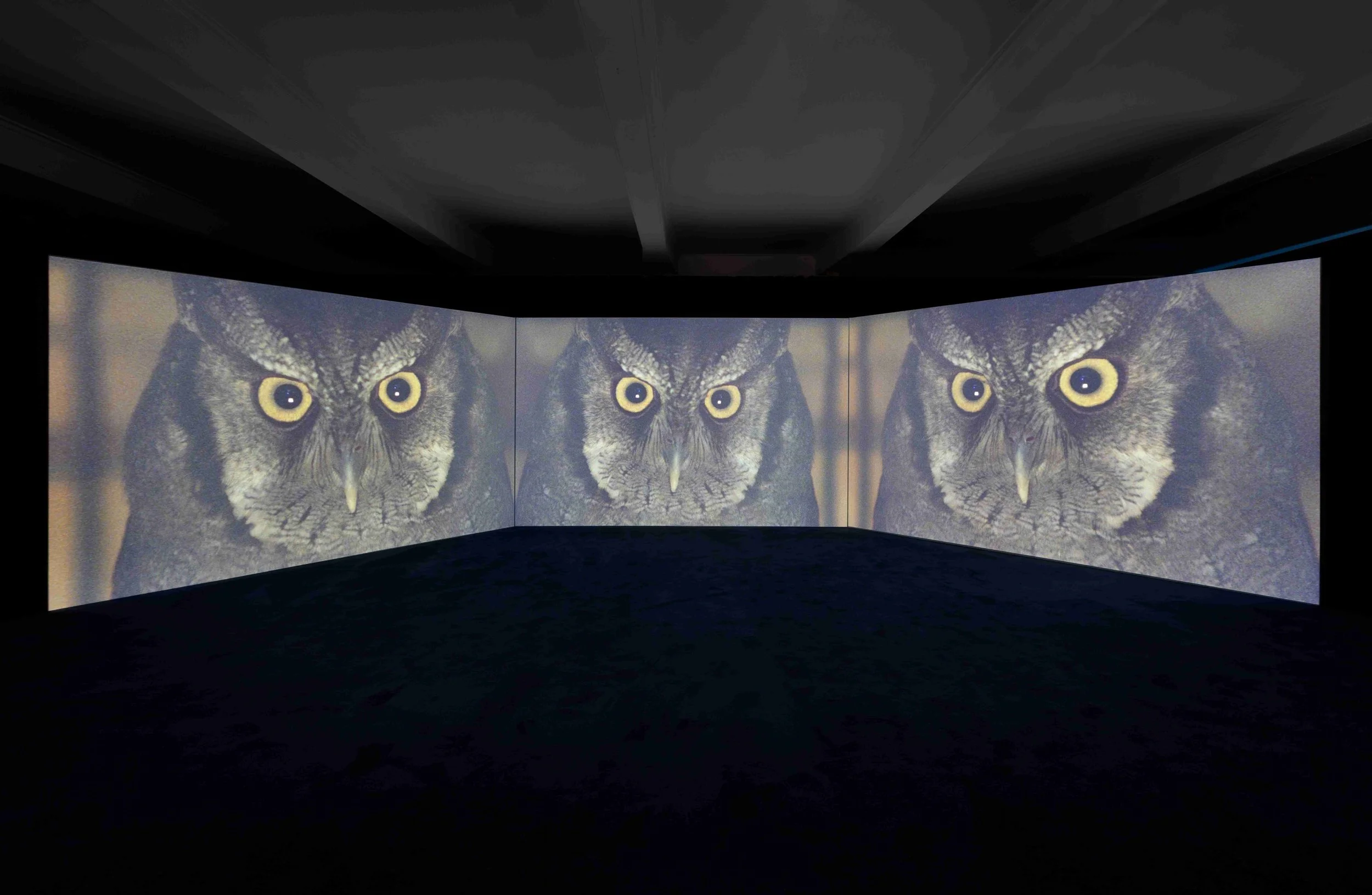
Weather has long given painters a pretext for light. For the In Between Art Film Foundation, it became a method. Between 2022 and 2026, Alessandro Rabottini and Leonardo Bigazzi, the foundation's artistic director and curator, staged the “Trilogy of Uncertainties” inside the Complesso dell'Ospedaletto in Venice, a sixteenth-century hospice for the poor that still carries the memory of births, deaths and bedside vigils. Each exhibition borrowed its name from the atmosphere. Penumbra (2022) settled in the dimness without which no projection can appear. Nebula (2024) thickened the air, leaving visitors to find their bearings by ear and by touch. Canicula (2026) closed the cycle with glare and punishing heat, a surplus of brightness that leaves the eye as helpless as darkness did.
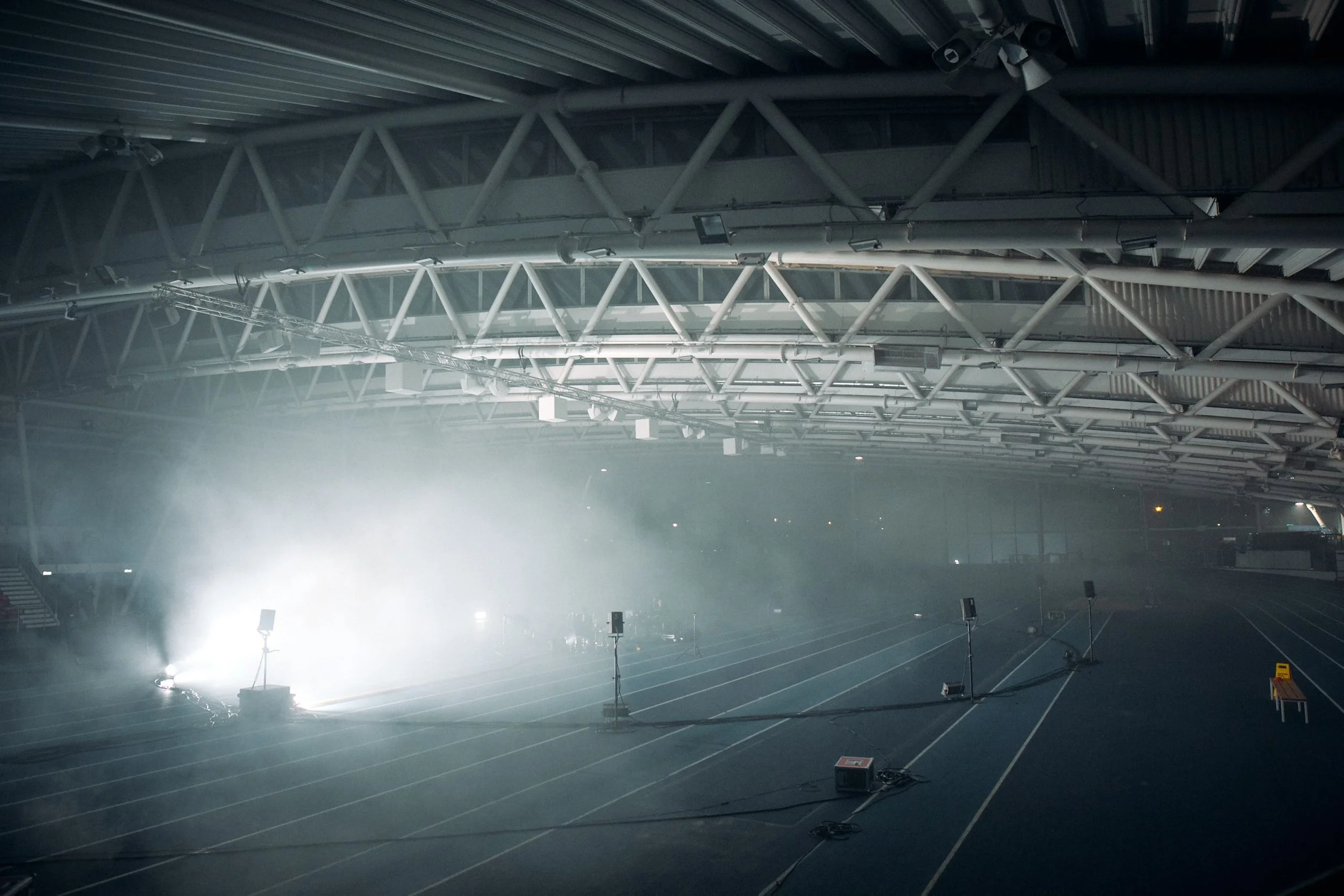
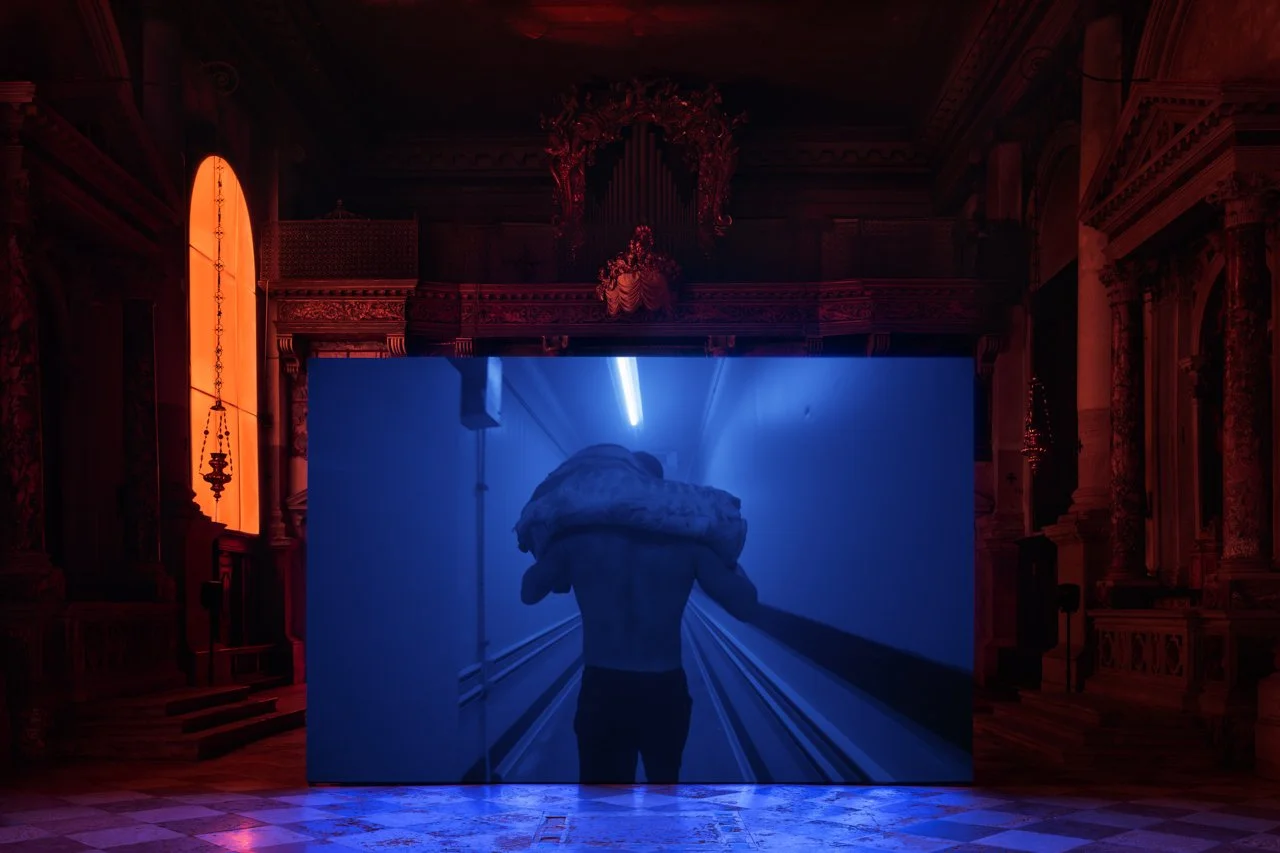
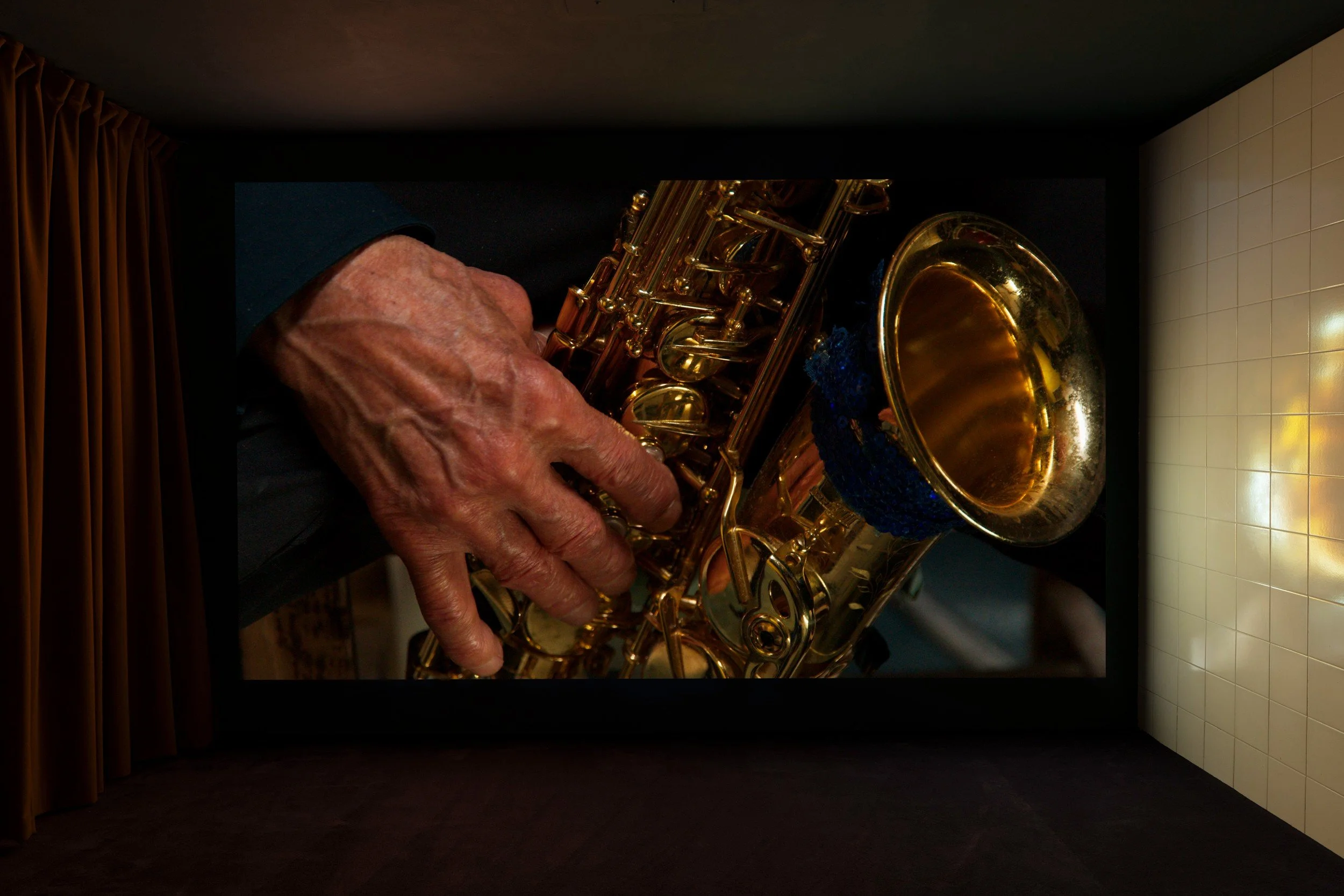
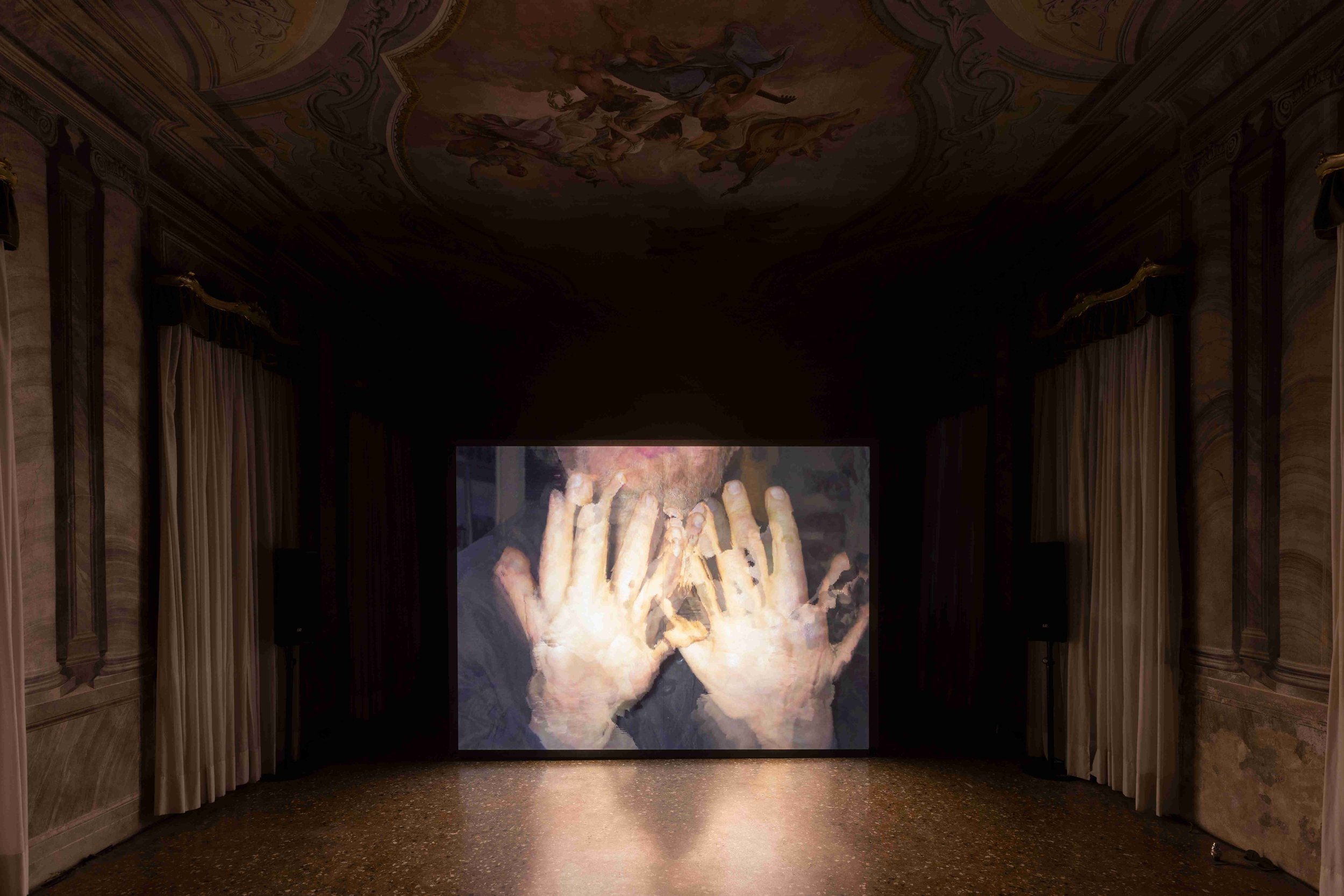
Rather than building a linear narrative, the three exhibitions and their twenty-four commissioned video installations turn up the heat on a single question: how do we look at moving images today, when they reach us in fragments, on small screens, in passing? Working with Ippolito Pestellini Laparelli's studio 2050+, the curators recast the church of Santa Maria dei Derelitti, the frescoed Sala della Musica and the former pharmacy as a stage for projection, where the body, not the eye alone, became the measure of each work.
With the final exhibition behind them, Rabottini and Bigazzi revisit six years of curatorial work. The conversation touches on how exhibition design and commissioned works took form side by side, on the problem of fixing duration on the printed page, and on working in a city that is at once a global crossroads and a fragile organism.

““These works are rooted in duration, and time is the substance in which we, as human beings, are immersed.” ”
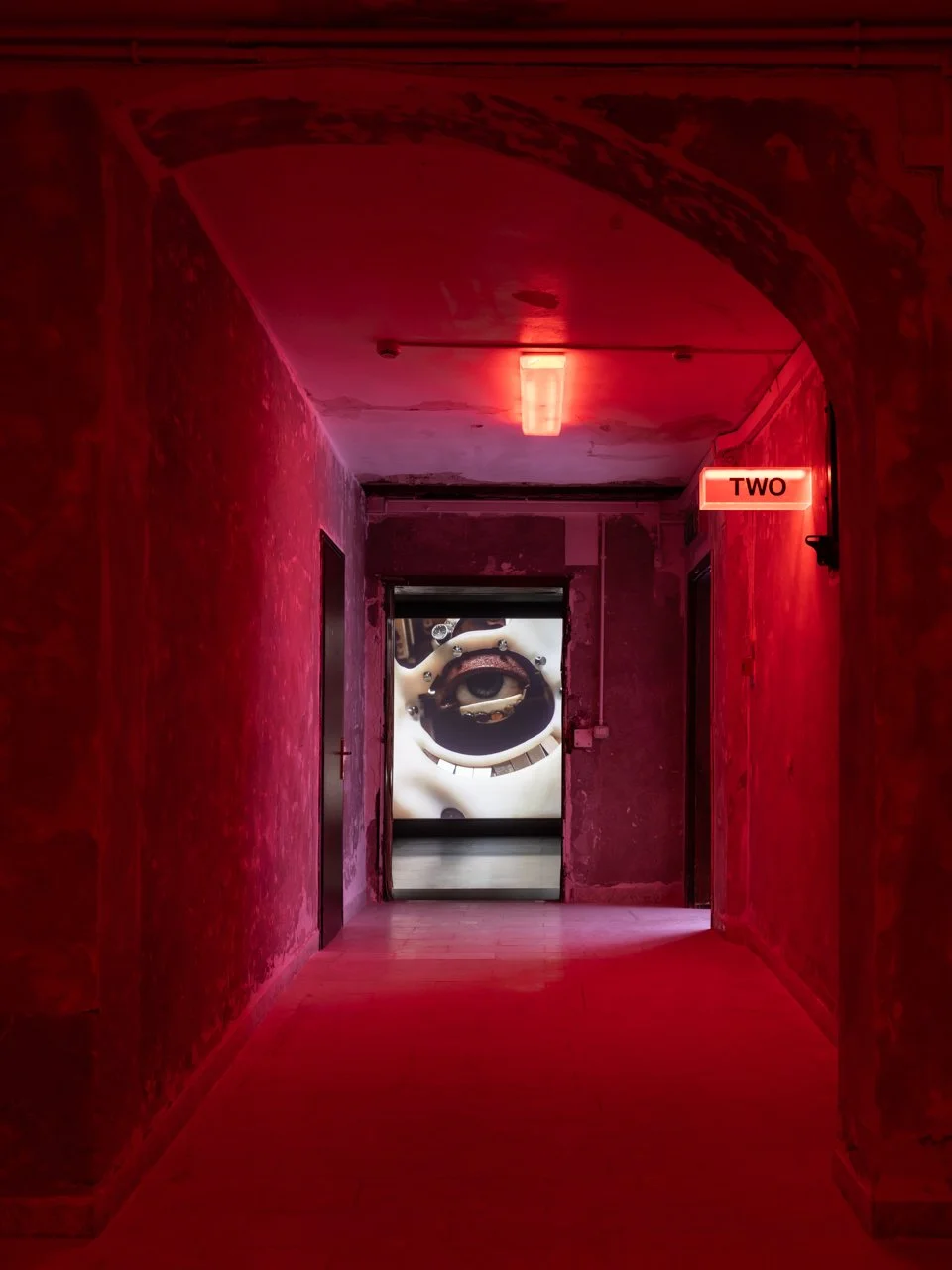
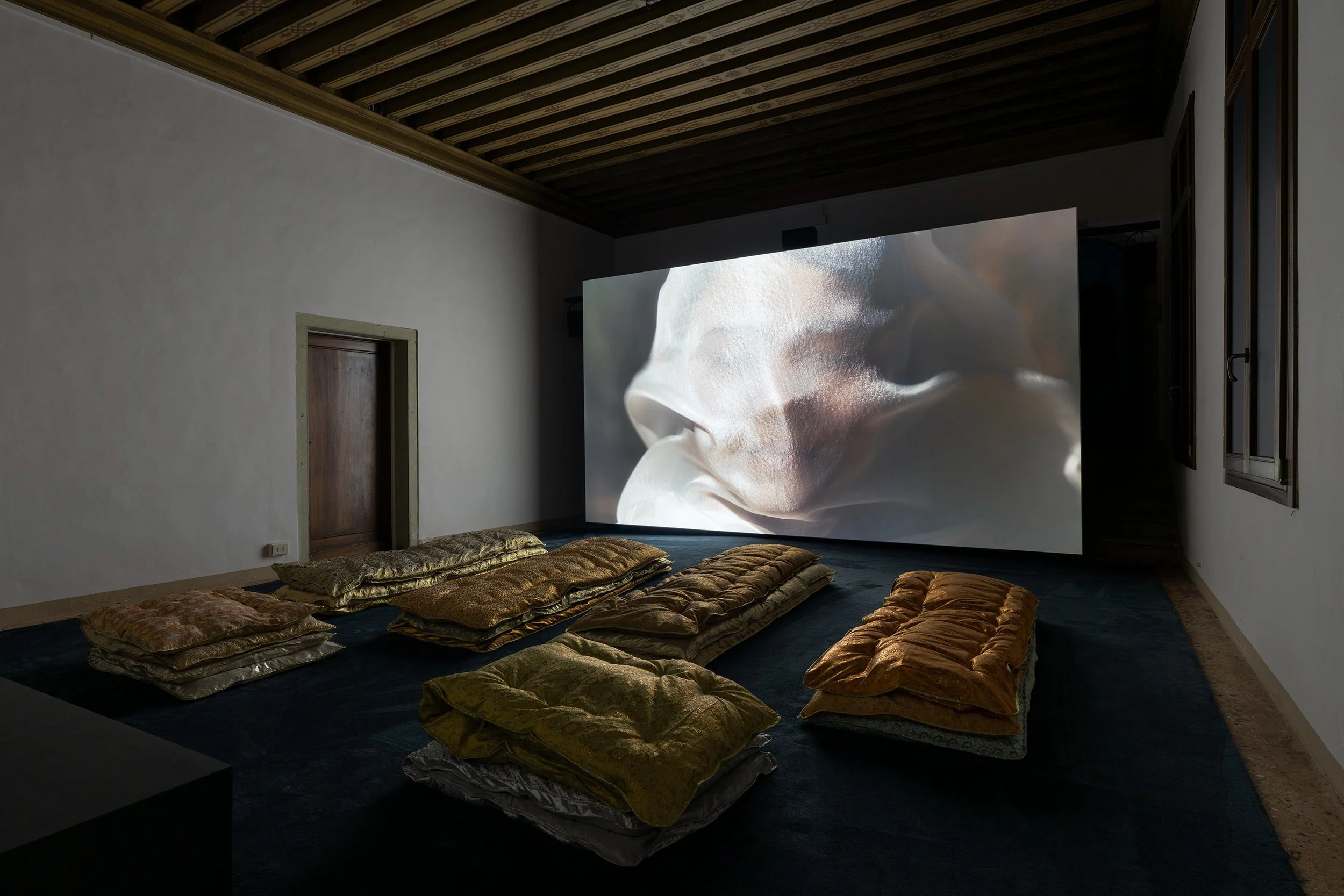
The “Trilogy of Uncertainties” is a long and dense journey in three stages, which has run alongside the most recent Biennales, exploring crucial issues ranging from the fragmentation of our times to today’s climate and geopolitical emergencies. Where did the need to embark on such an extensive and multifaceted collaboration come from, on both a personal and a curatorial level, and why did you decide to engage over the long term with such a complex range of themes? Looking back at the conceptual origins of the project, when did you actually begin to think about this exhibition structure, and how do you feel your original investigation has evolved, leading to the conclusion we see today in the exhibition Canicula?
Alessandro Rabottini: Moving images are a medium that—often, though not always—relies on the presence of a lens that records and transmits. Therefore, even in the absence of a narrative or documentary impulse, artworks based on moving images maintain a structural relationship with reality and the present. Furthermore, these works are rooted in duration, and time is the substance in which we, as human beings, are immersed. For these reasons—and given that the Foundation focuses exclusively on commissioning and producing artworks based on moving images—it felt natural for us to undertake an exploration of the current state of this medium, one that would simultaneously serve as a reflection on our own epoch. However, we were not interested in a literal or descriptive approach. Instead, we felt that the three atmospheric metaphors that gave rise to this trilogy—semi-darkness, fog, and an excess of heat and light—would allow us to reflect on specific conditions of our time: conditions that are as political as they are existential, and as economic and social as they are psychological and internal.
I am not sure if it makes sense to speak of a progression from one exhibition to the next—that is a question for those who visited them—but I believe one could instead speak of a growing intensity that has shaped the way we conceived and created each show. Over the six years during which this trilogy of exhibitions unfolded, the interplay between the narrative of each individual work and stories that the Complesso dell’Ospedaletto carries within itself became increasingly complex: this allowed us to approach each chapter as an ever more immersive scenographic and dramaturgical device.
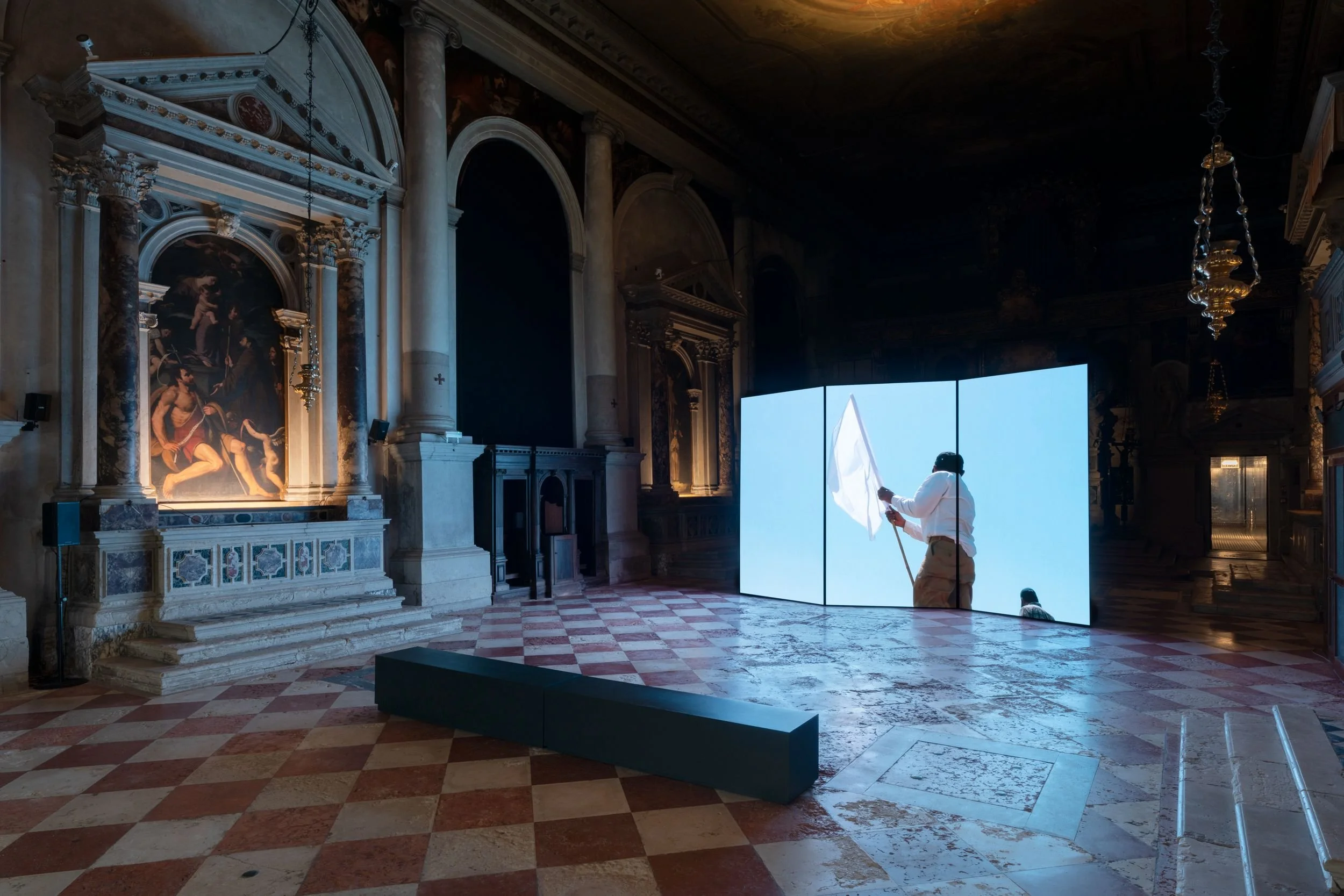
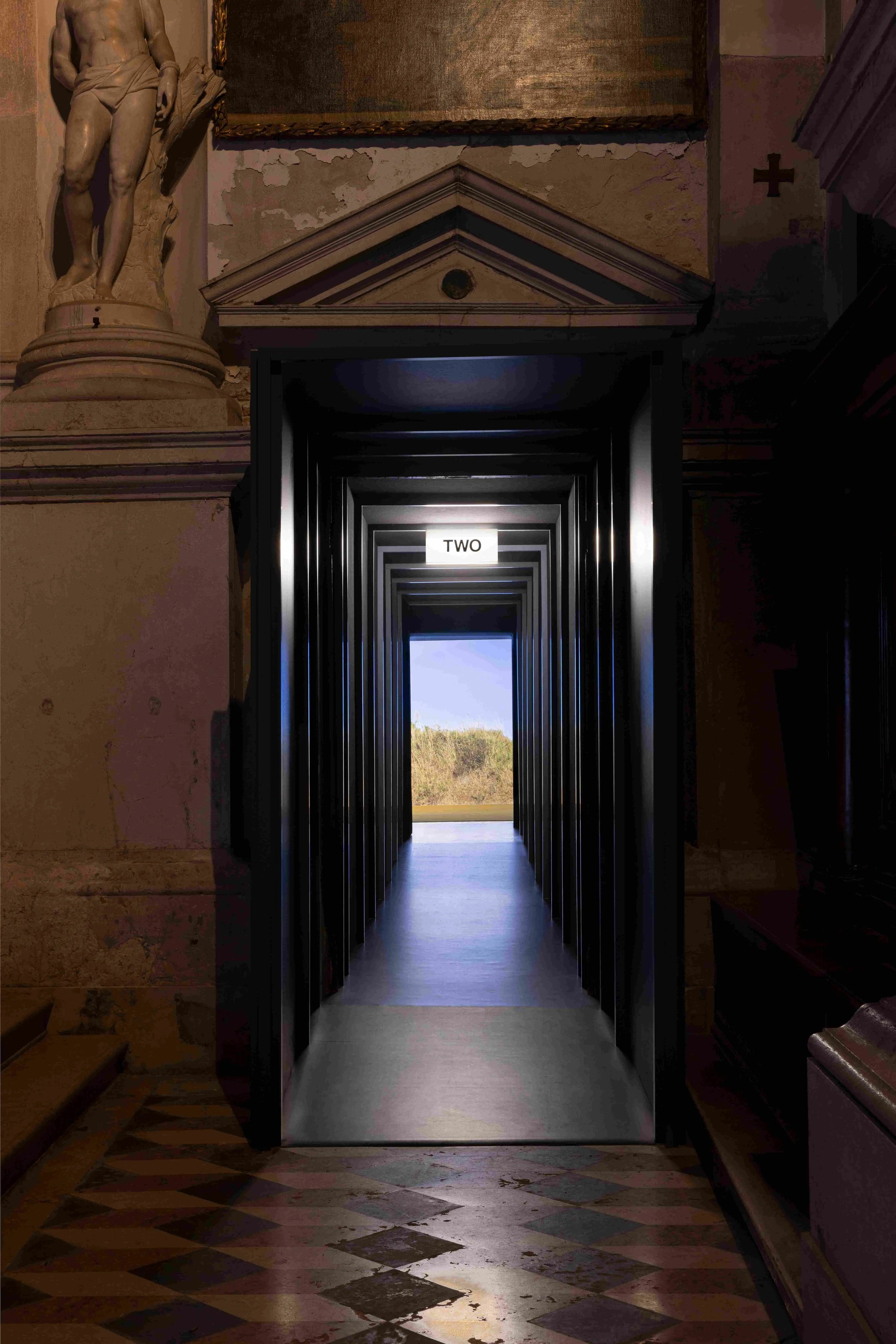
The exhibition design by studio 2050+ introduces specific environmental modifications that heavily emphasize the perceptual connection between the artworks and the public. How do you bring your curatorial narrative into such an organic dialogue with these spatial interventions? Is the physical layout strictly a consequence of the selected artworks, or is there an inverse process in which architectural choices end up guiding your narrative and the reception of the pieces on display?
Leonardo Bigazzi: Our collaboration with 2050+ is based on the idea that exhibition design is not simply a framework for presenting artworks, but an active component of the curatorial process. From the beginning, Alessandro and I cultivated a horizontal and collective methodology in which artists, curators, architects, and technical collaborators could influence one another, gradually developing what Ippolito Pestellini Laparelli, founder of 2050+, has described as a “shared lexicon” across disciplines.
The architectural concept develops alongside the artists’ commissions, creating a continuous exchange between the conceptual, spatial, and emotional dimensions of the exhibition. The relationship is therefore reciprocal: sometimes the scenography responds to the specific needs of an artwork; at other times, architectural propositions establish perceptual conditions that influence how the artist develops the work or how we shape the exhibition’s dramaturgy. The two processes evolve together, constantly informing and reshaping one another.
What matters to us is creating an exhibition in which architecture, artworks, and audience form an interconnected organic system. The space becomes part of the narrative, and visitors move beyond simply looking at images to physically inhabiting the conditions through which they acquire meaning.
““Our curatorial process is grounded in time, dialogue, and sustained collaboration, allowing ideas to emerge in response to the place rather than imposing a predetermined vision upon it.””
In an age of visual overstimulation and constant digital transition, in which video content is now consumed on a daily basis in a hurried and distracted manner, how can the artistic lens and the exhibition experience restore weight, time and value to this medium, so that it can help us understand the pressing issues of the present?
Leonardo Bigazzi: I believe exhibitions should provide an alternative to the accelerated logic of digital image consumption by creating the conditions for a different relationship with images, grounded in duration, embodied perception, and emotional engagement. Moving images require time, attention, and a willingness to remain with something that may not immediately reveal its meaning. Through the careful orchestration of the conceptual framework, the narrative sequence of the works, and the scenography, exhibitions can encourage audiences to slow down and cultivate more sustained and empathetic forms of engagement.
This is particularly important in a time marked by contemporary anxieties, from war and political violence to technological acceleration and the erosion of collective certainties. Art does not necessarily need to provide definitive answers; it can instead encourage audiences to move beyond passive observation and engage with these complexities on both an intellectual and emotional level. In this sense, the exhibition becomes a setting not simply for viewing, but for witnessing: an experience that visitors carry with them through memory, reflection, and the possibility of sharing and rethinking what they have encountered.
Your exhibitions, when viewed in person, explore themes of fatigue, sensory deprivation or saturation, and the physical oppressiveness of the spaces. What is the curatorial and editorial process that enables you to translate such an intensely vivid and intangible experience into a tangible format such as a printed catalogue, while keeping its emotional power intact?
Alessandro Rabottini: Each exhibition in the “Trilogy of Uncertainties” was an attempt to consider the existence of moving-image works outside and beyond the conventional mode of the “black box”. Similarly, we grappled with the challenge of how to convey the experience of the exhibition through a catalogue—a format that, by its very nature, often seems ill-suited to time-based media. For this reason, while the book includes an extensive selection of installation views, a significant portion of our effort was directed toward elements not visible within the exhibitions themselves, such as the processes that led to the conception of the works. Each artwork is accompanied by a newly commissioned critical text, since it was essential to us to have a polyphony of voices and perspectives, and to expand the interpretation of the works from a multitude of disciplines.
Working in Venice means engaging with a global showcase, but also with a complex and delicate urban environment. How does your curatorial practice draw on your relationship with the local area, and what does it mean to you to return value to the city?
Leonardo Bigazzi: For me, working in Venice is a constant reminder that an exhibition should consider the history, architecture, and cultural identity of the place in which it unfolds. The Complesso dell’Ospedaletto is central to this approach: it is not a neutral container for contemporary art, but a site with a layered history, a distinctive architectural character, and a spiritual heritage.
Throughout the “Trilogy of Uncertainties”, we have sought to establish a meaningful relationship between the artists’ practices, their commissioned works, and the specific character of the Ospedaletto. The site has thus become an active participant in the creative process, shaping both the works themselves and the way they are experienced. Our curatorial process is grounded in time, dialogue, and sustained collaboration, allowing ideas to emerge in response to the place rather than imposing a predetermined vision upon it.
Returning value to Venice also means creating opportunities for exchange that extend beyond the exhibition itself. For Canicula, we have developed a public programme curated by Bianca Stoppani, organised in collaboration with Palazzo Grassi – Pinault Collection and hosted at the Teatrino di Palazzo Grassi. Bringing together artists, curators, and scholars, the programme expands the exhibition’s conversations around moving images and their relationship with contemporary political, social, and cultural conditions. We have also established educational partnerships with the Ca’ Foscari University, IUAV and the Art Academy in Venice, the University of Bologna, and the School for Curatorial Studies Venice, creating opportunities for students to engage with the exhibition and its production process.
An exhibition may be temporary, but the artworks, encounters, and shared knowledge it generates can leave a lasting legacy.
Photography by
Marco Cappelletti, Lorenzo Palmieri, Mark Blower, Federica Di Giovanni
Interview by Marco G.S. Mambelli
What to read next