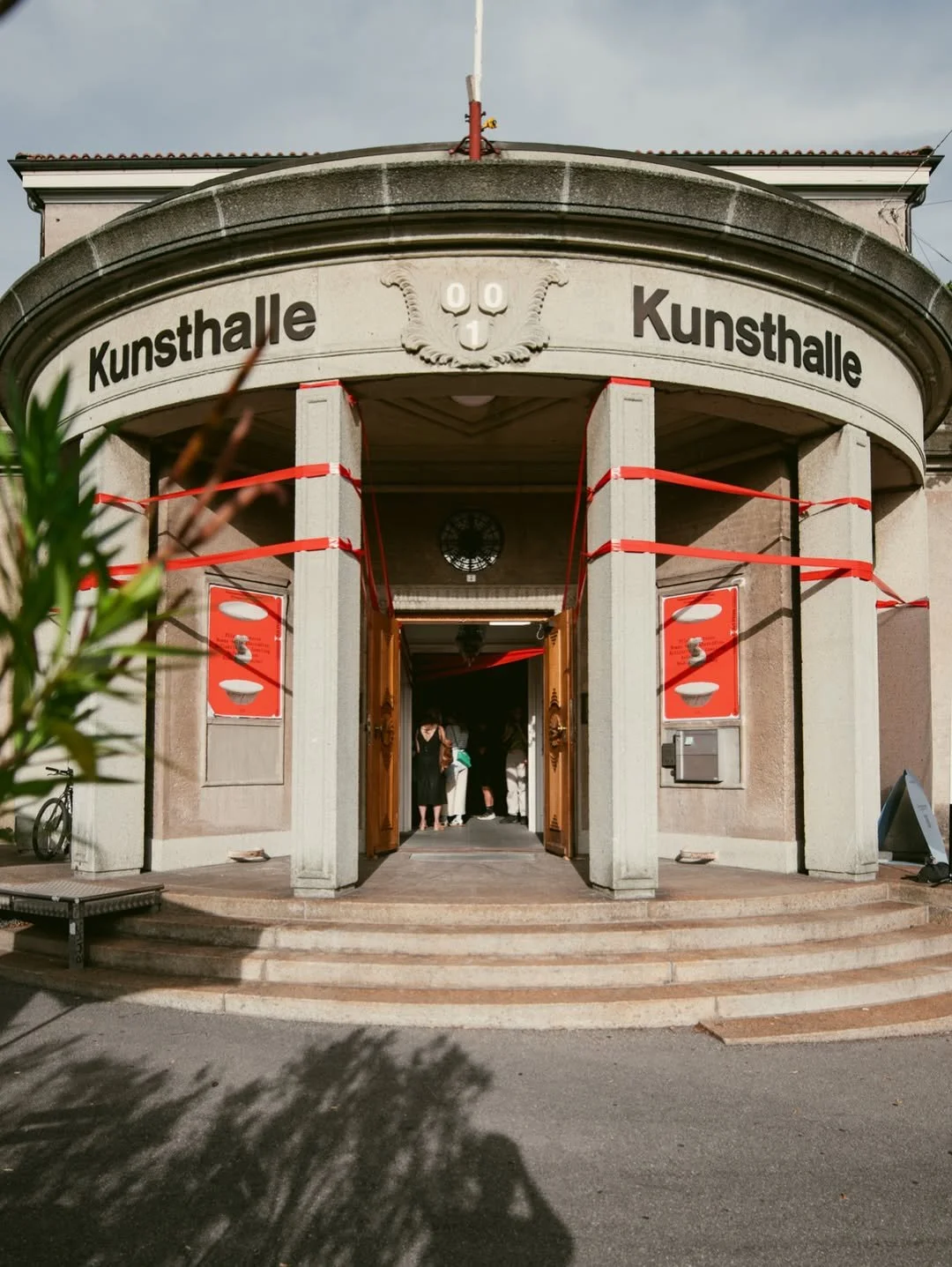
Unrealized Art Prize, Kunsthalle Bern
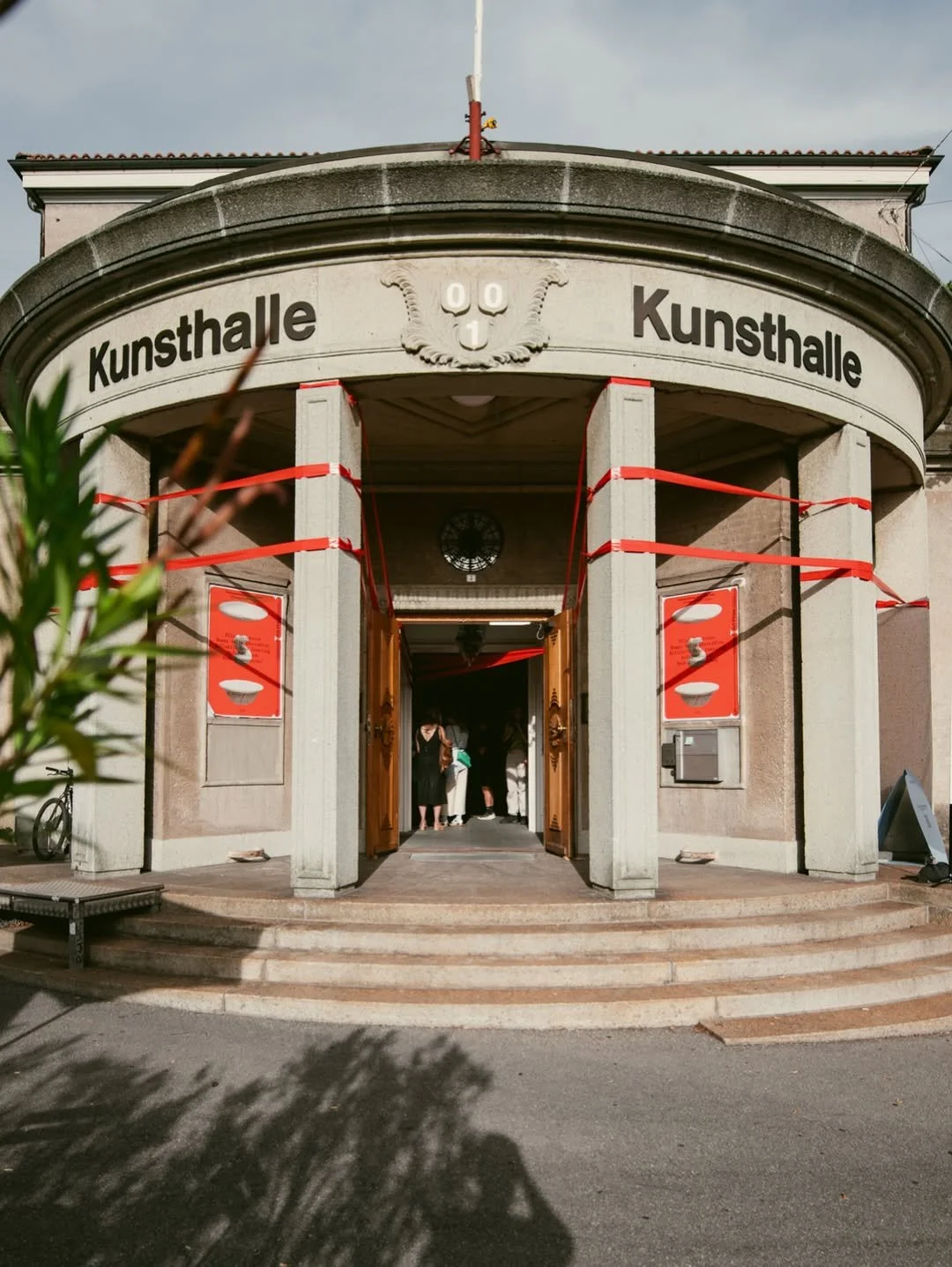
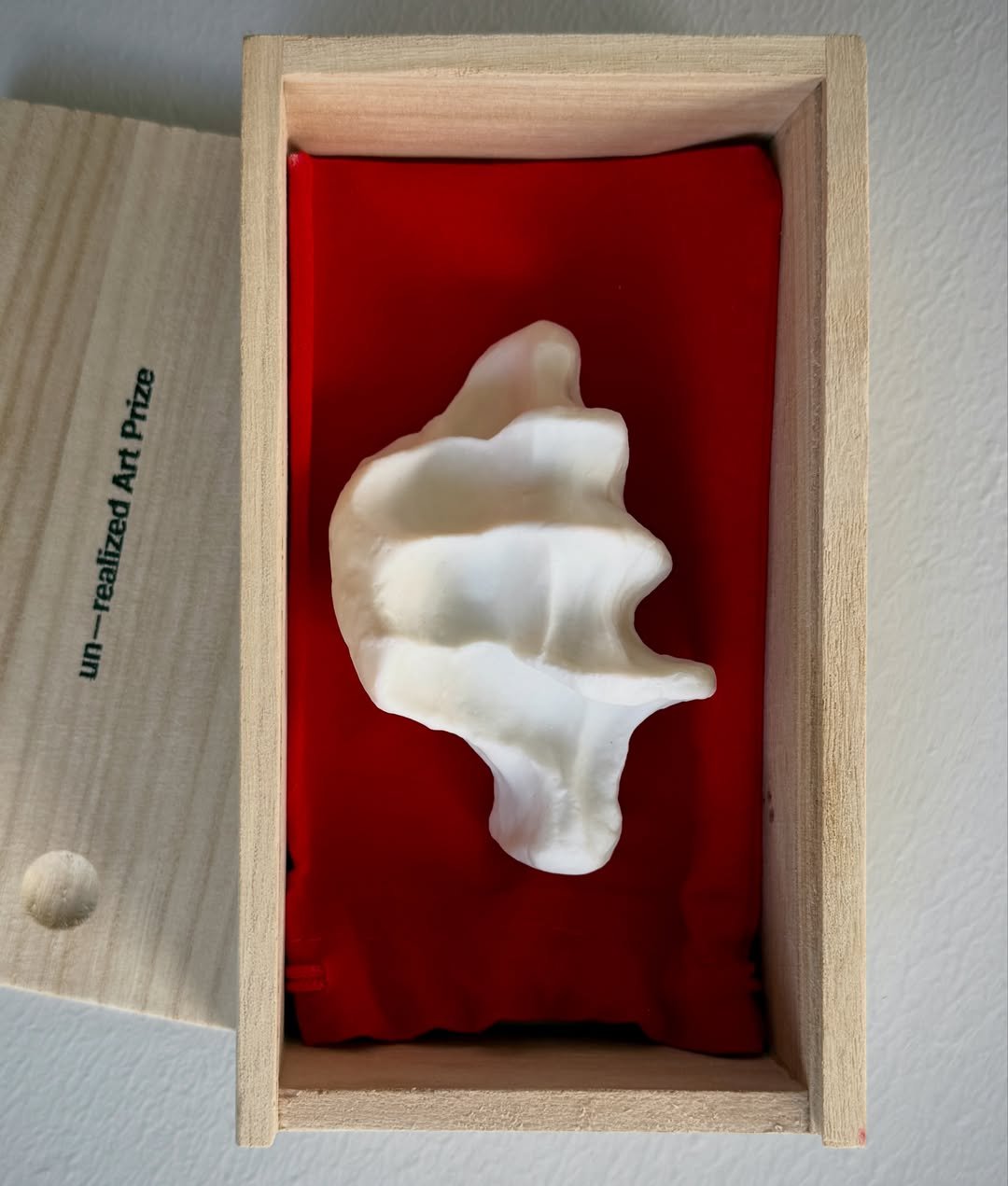
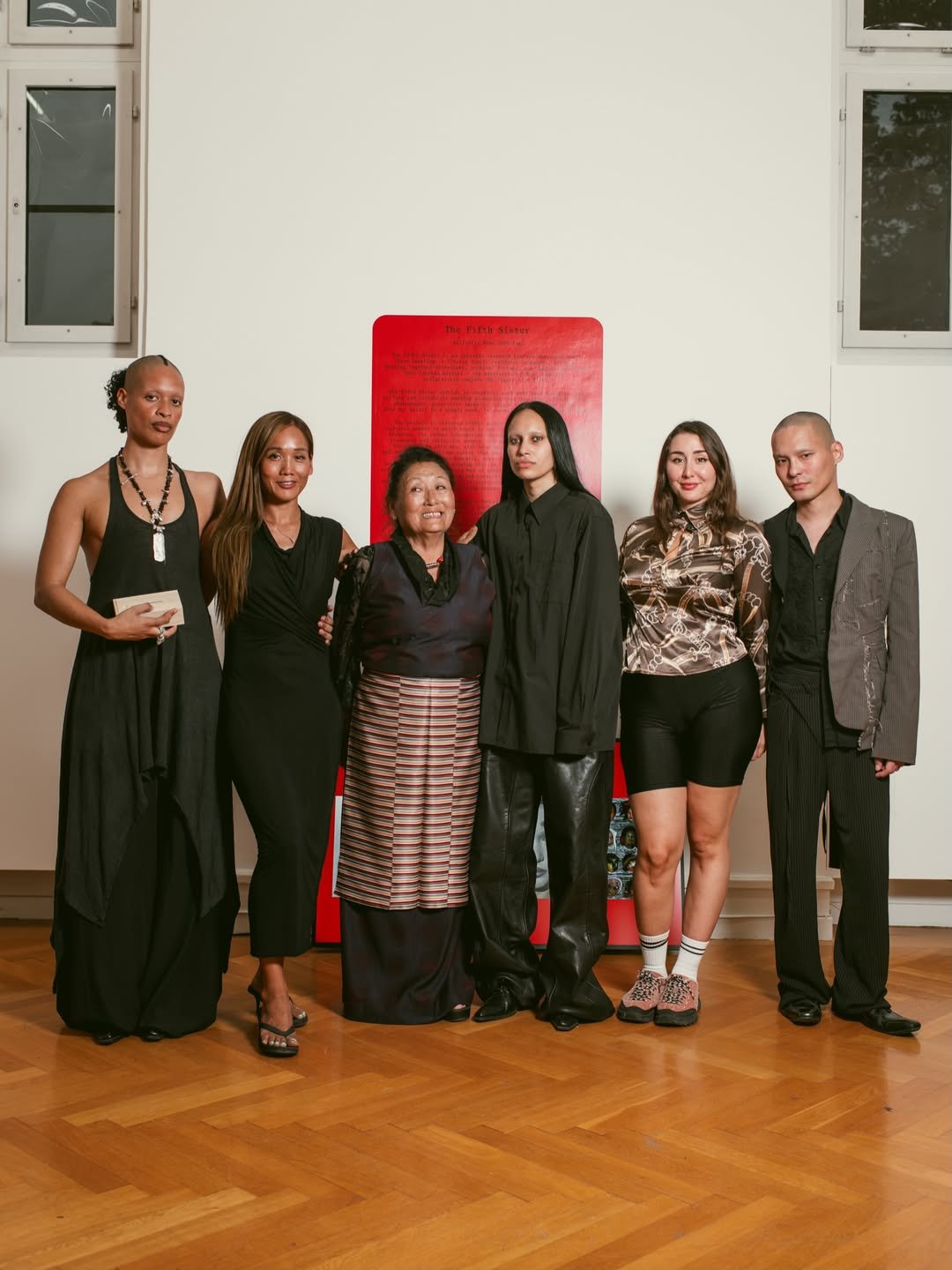
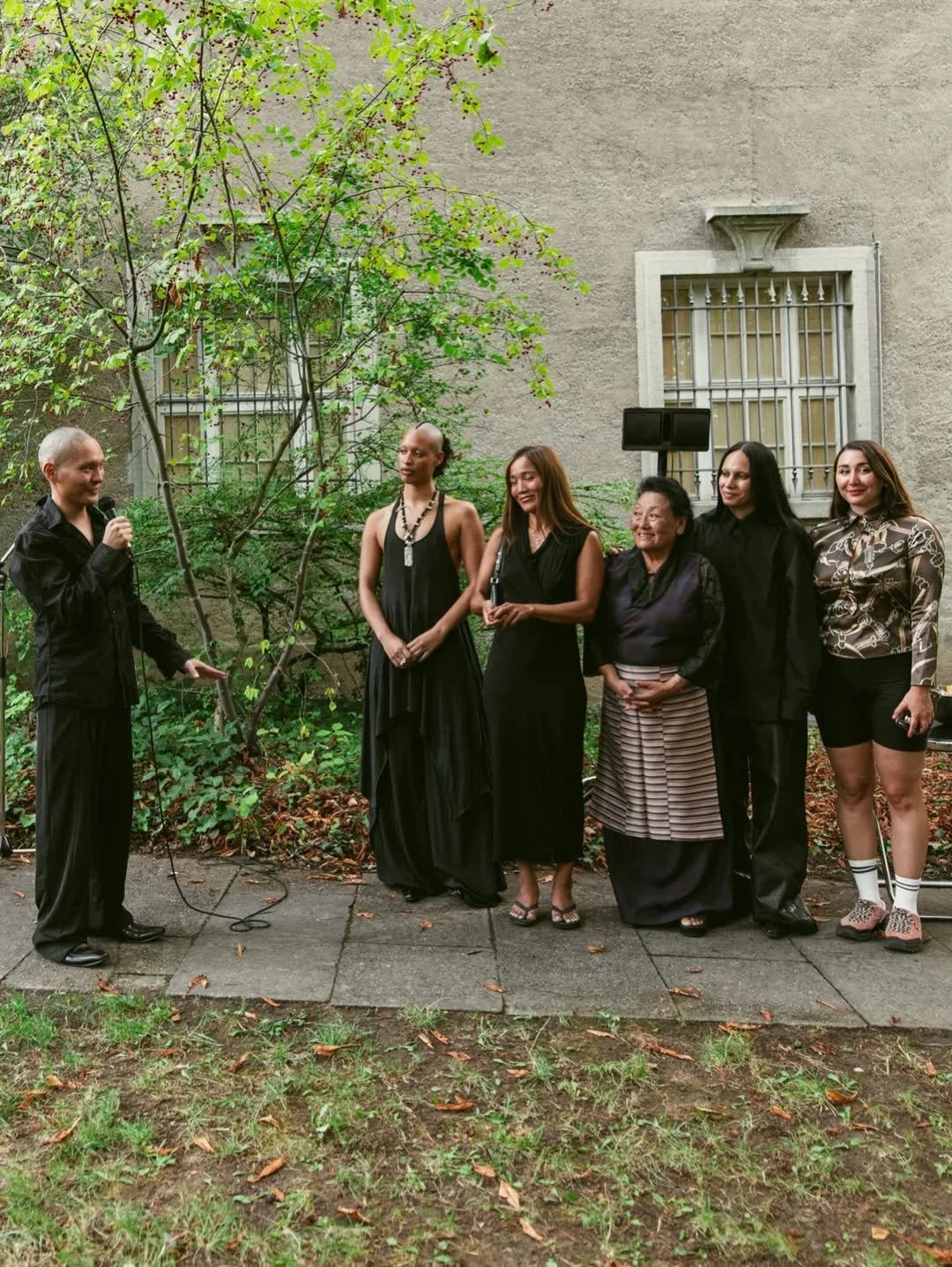
The Unrealized Art Prize returned to Kunsthalle Bern with a ceremony given over to work that exists first as intention. The implementation prize went to Kollektiv Haus Gawali for The Fifth Sister, a project the jury praised for the clarity of its artistic proposition and for the co creative, collective method holding it together.
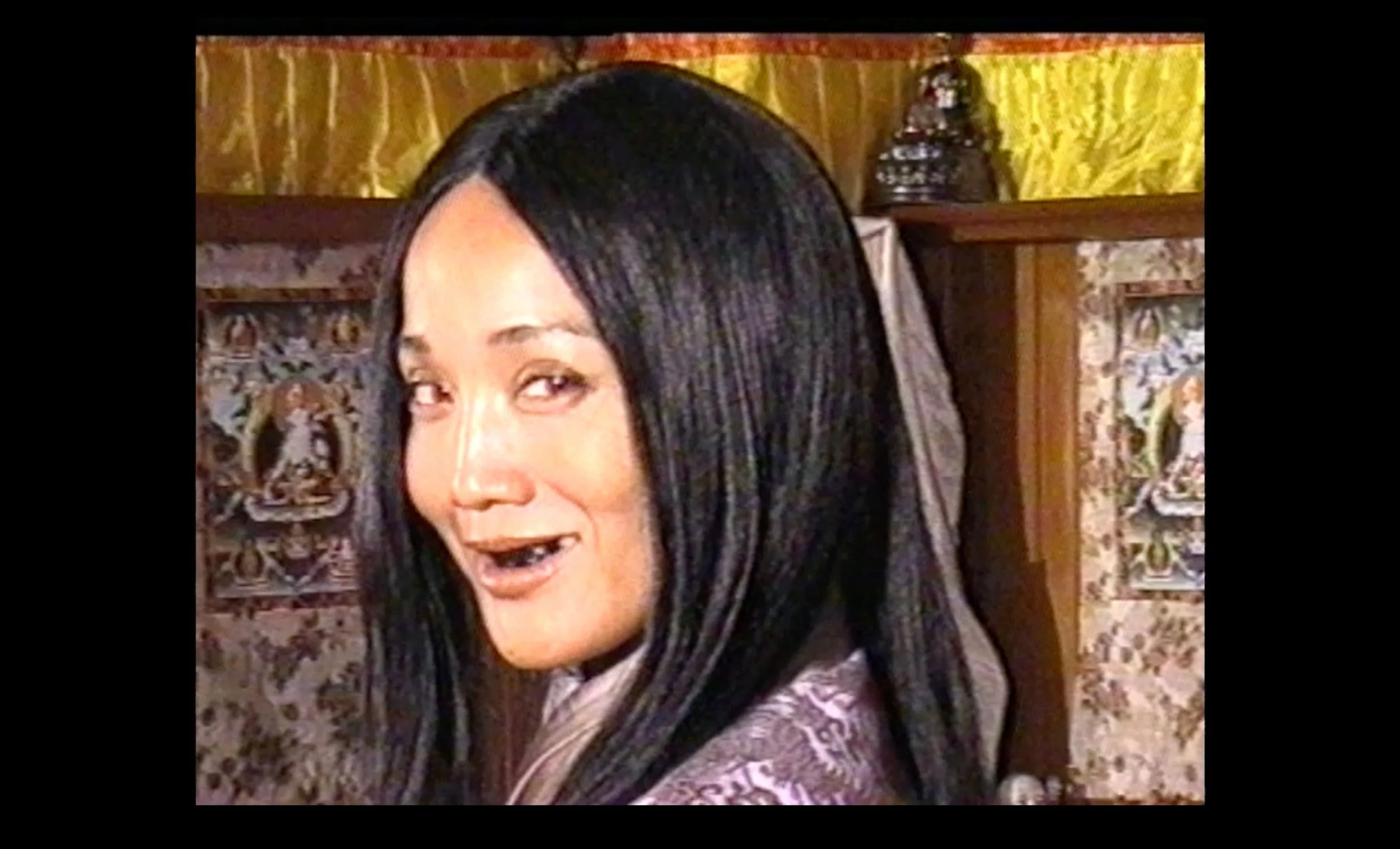
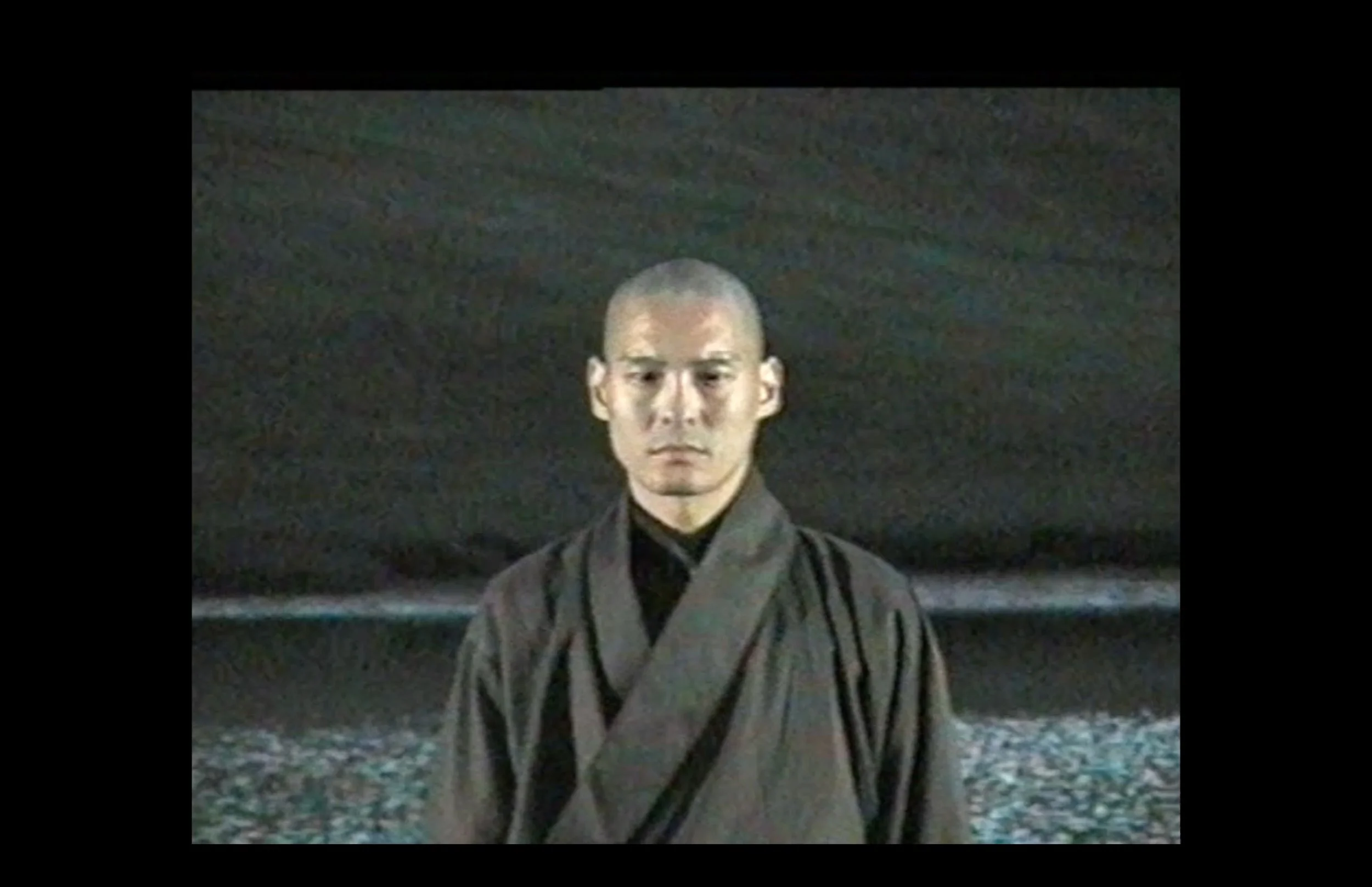
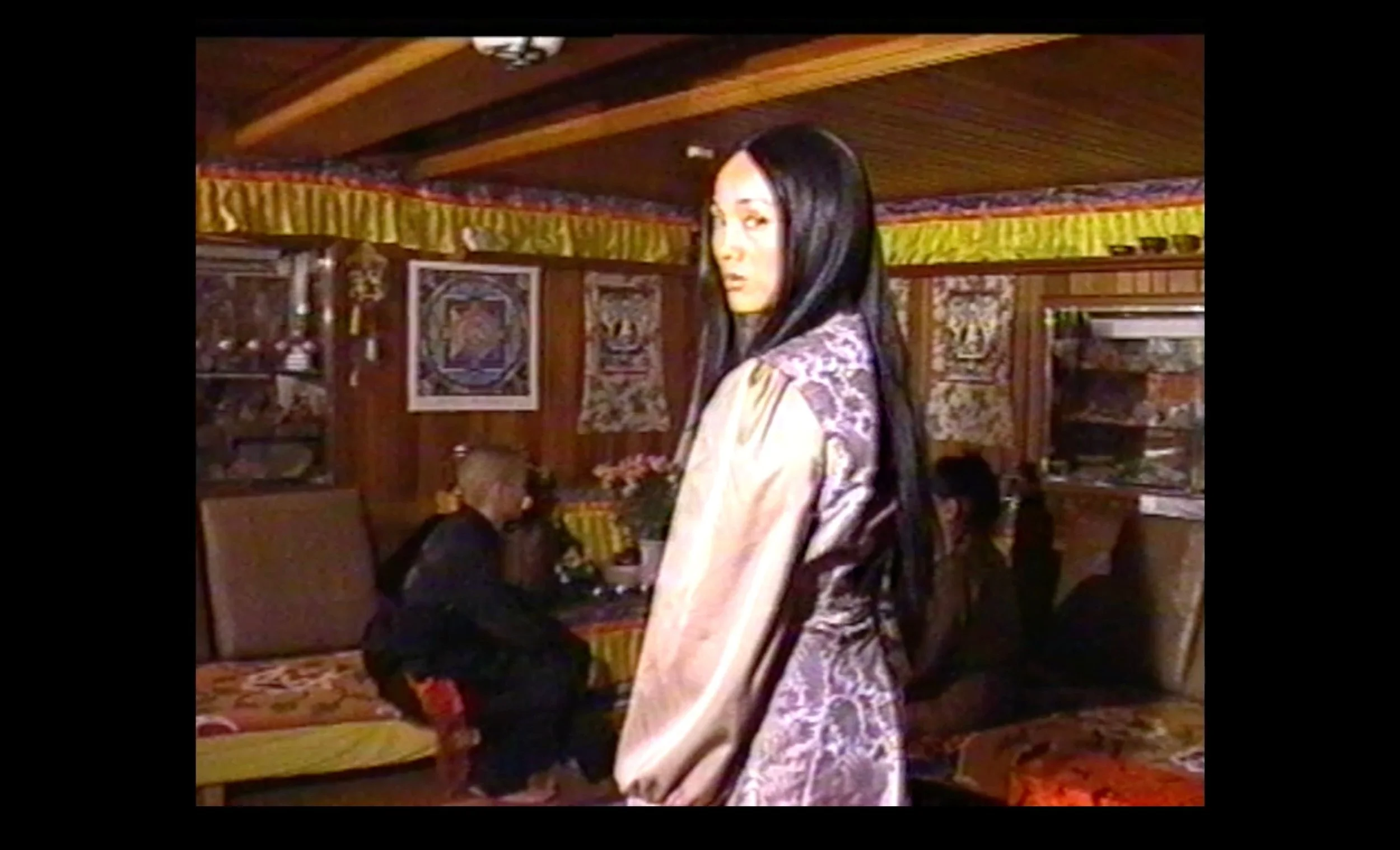
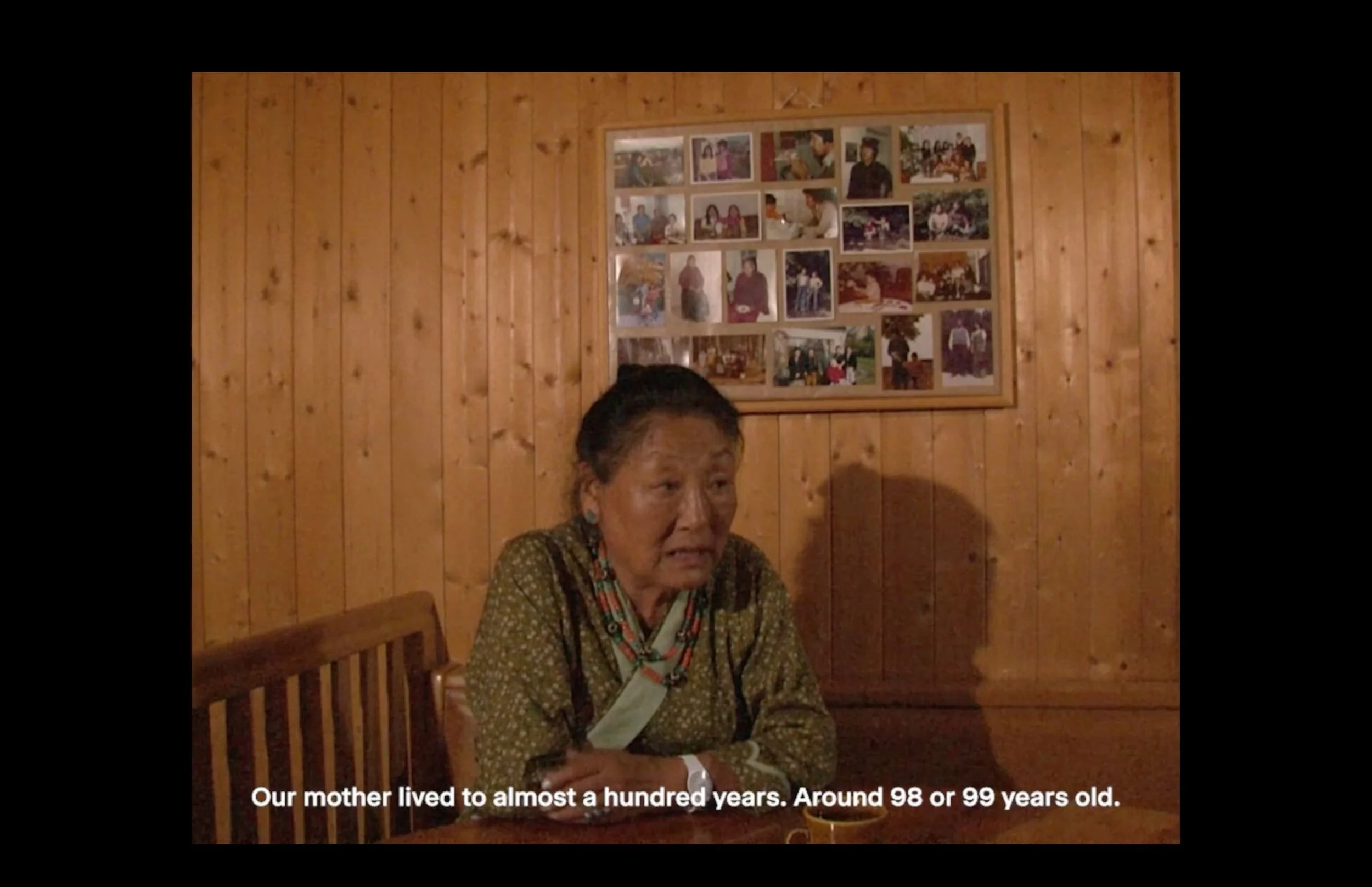
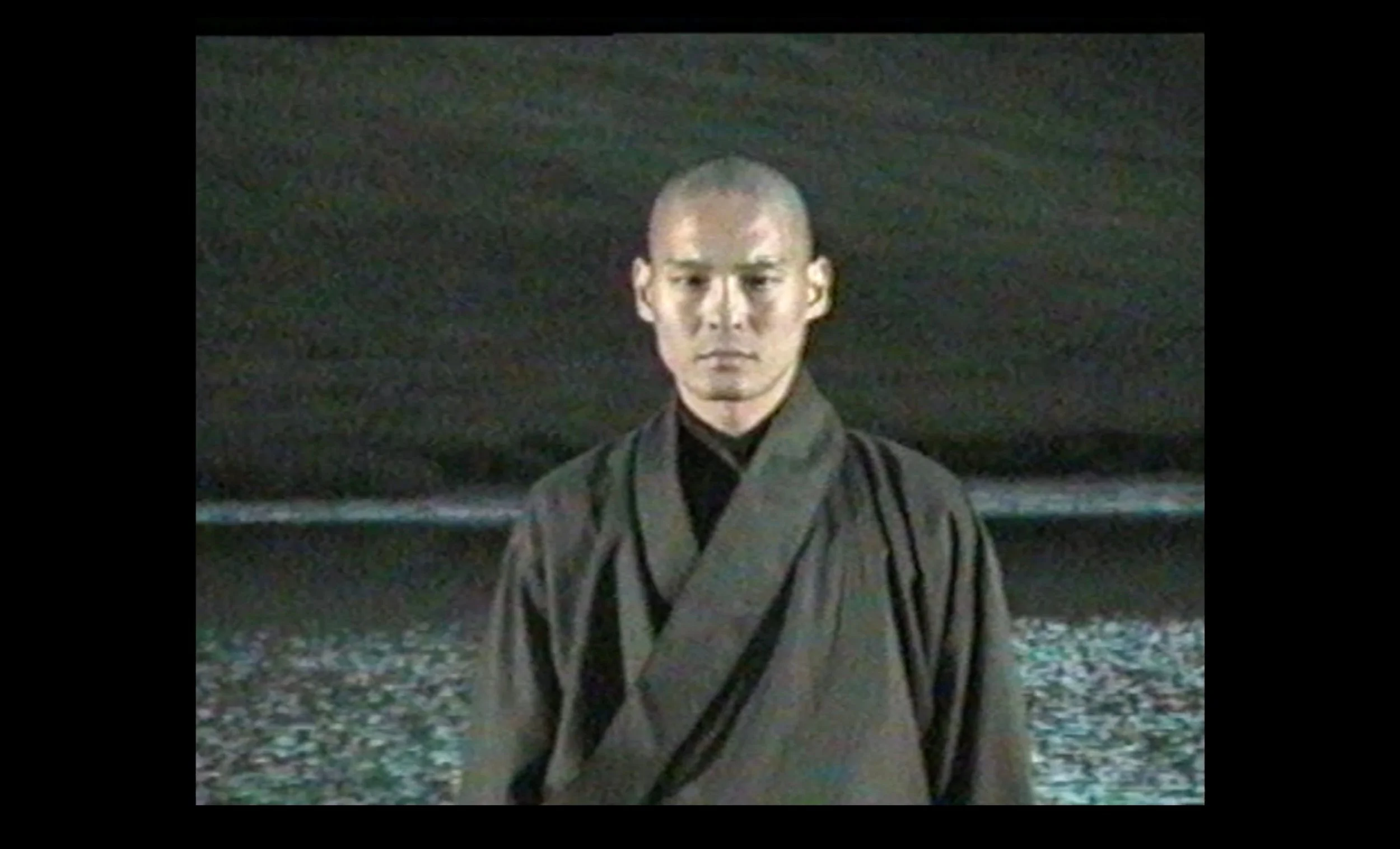
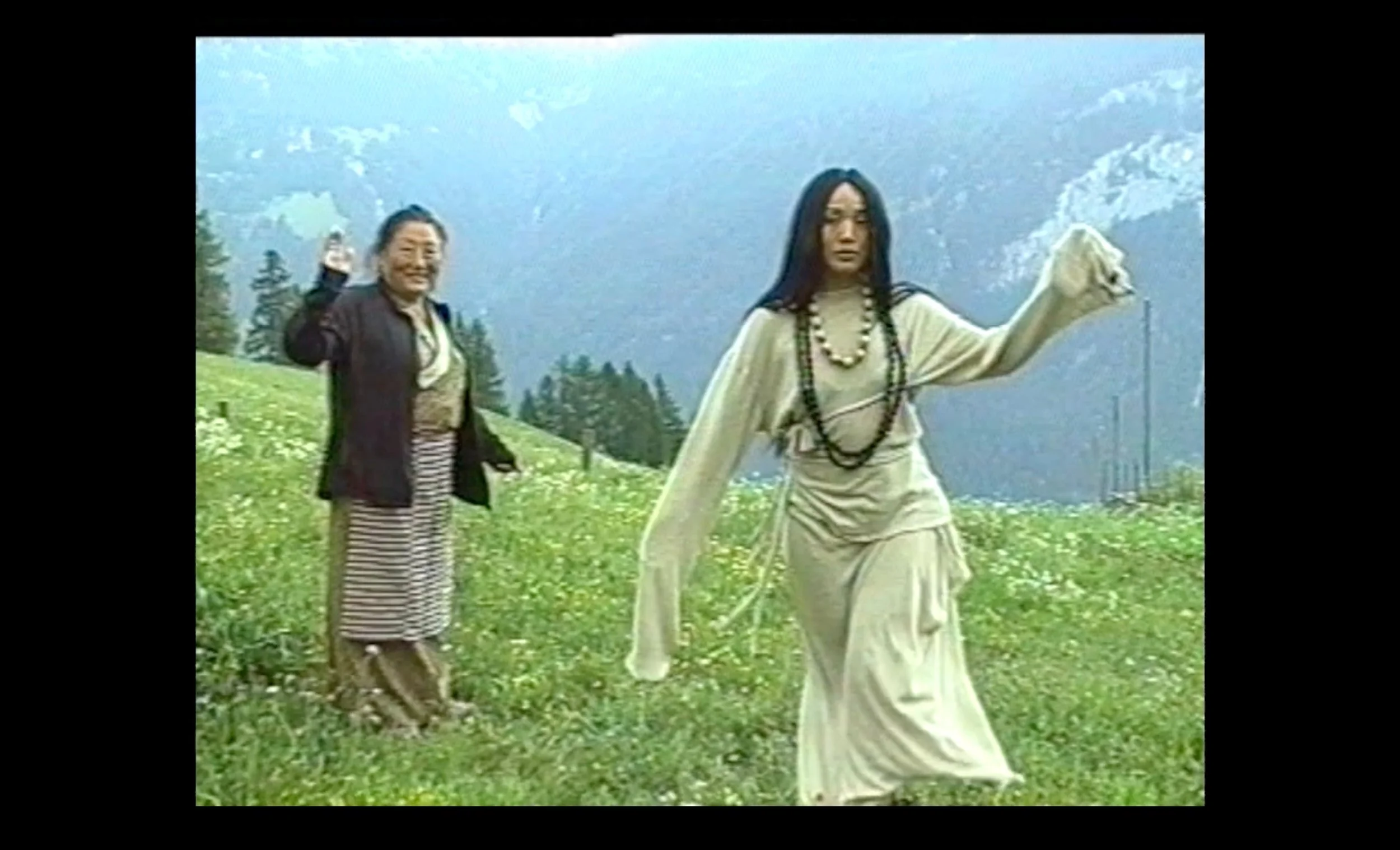
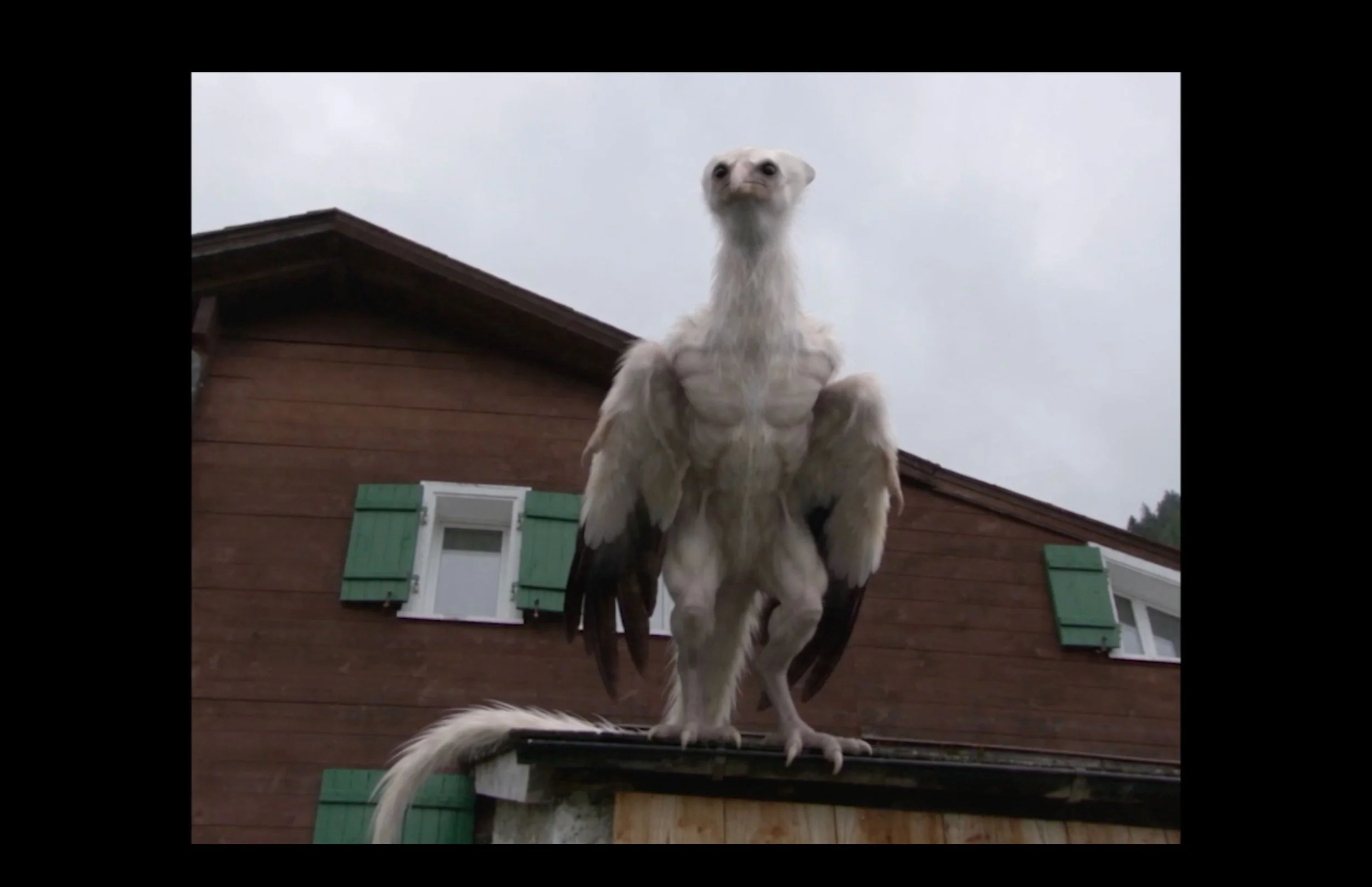
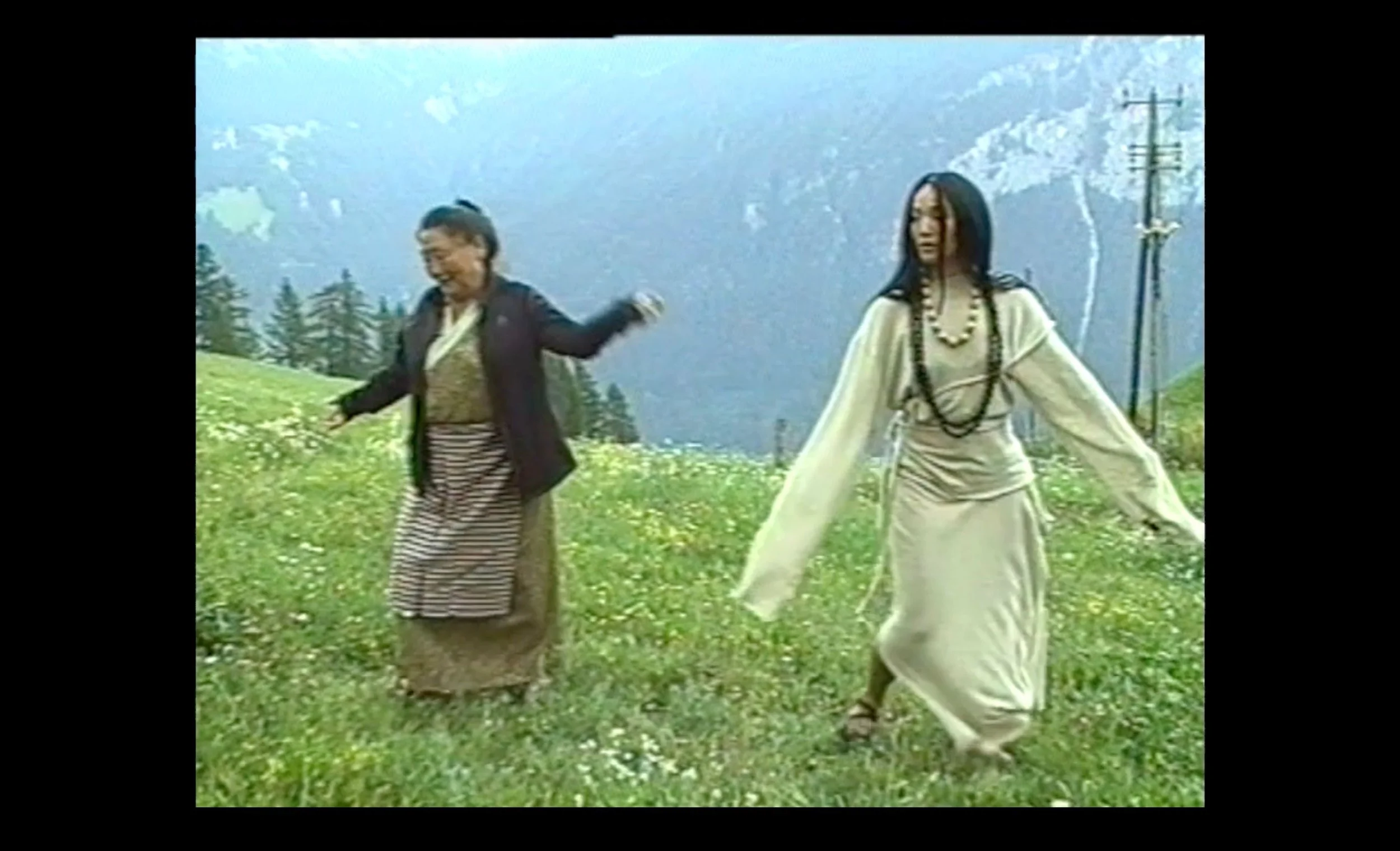
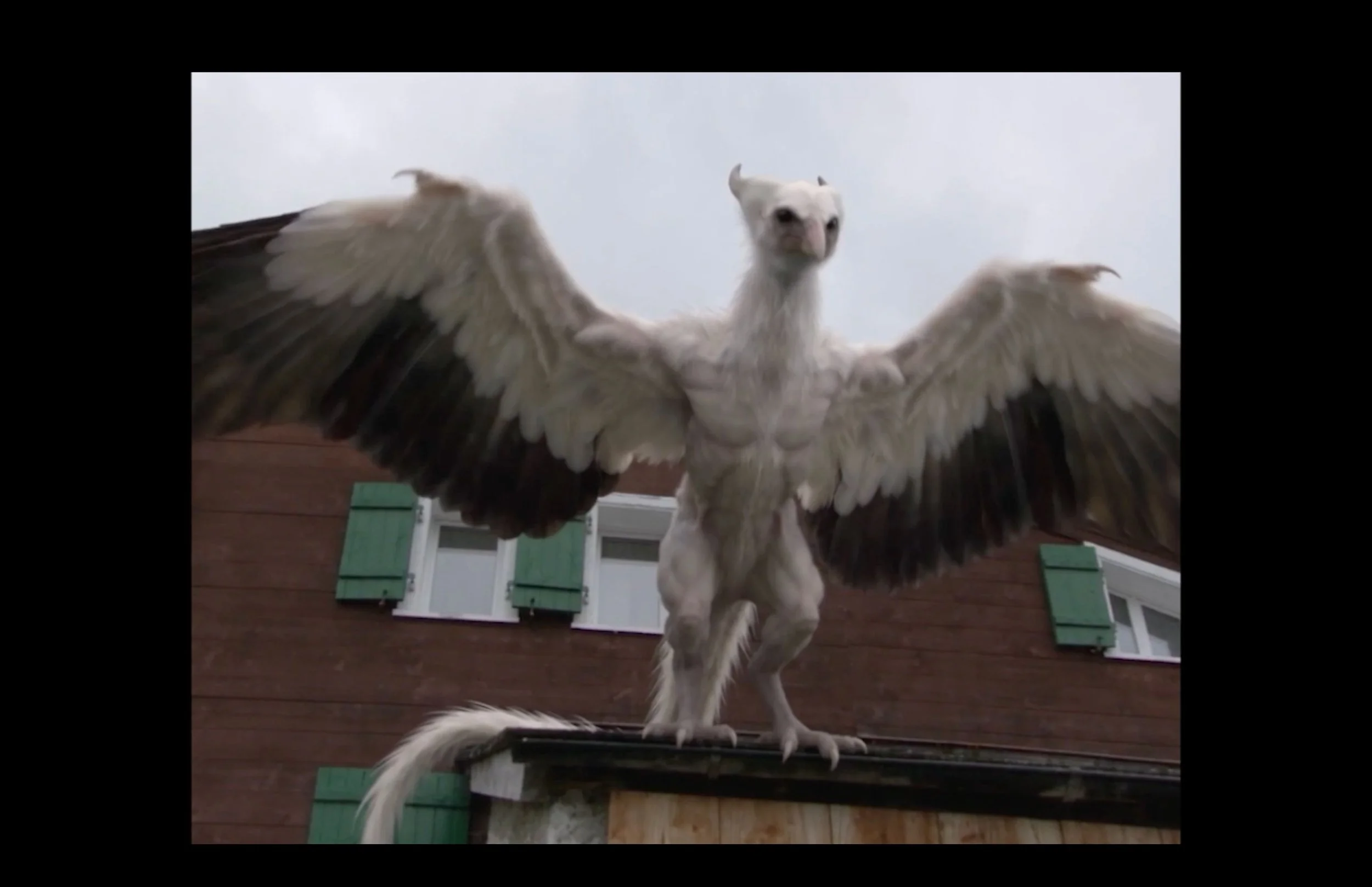
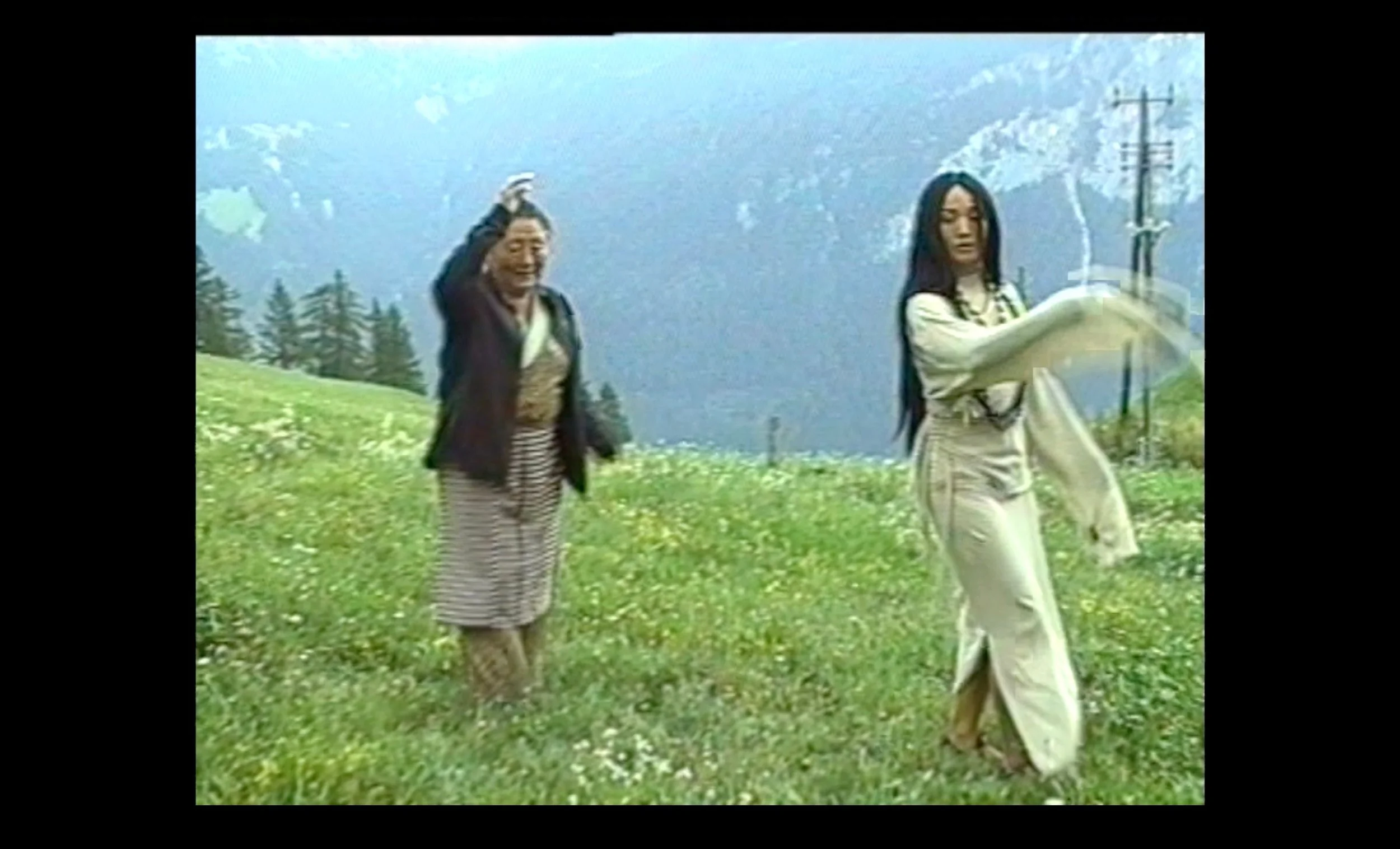
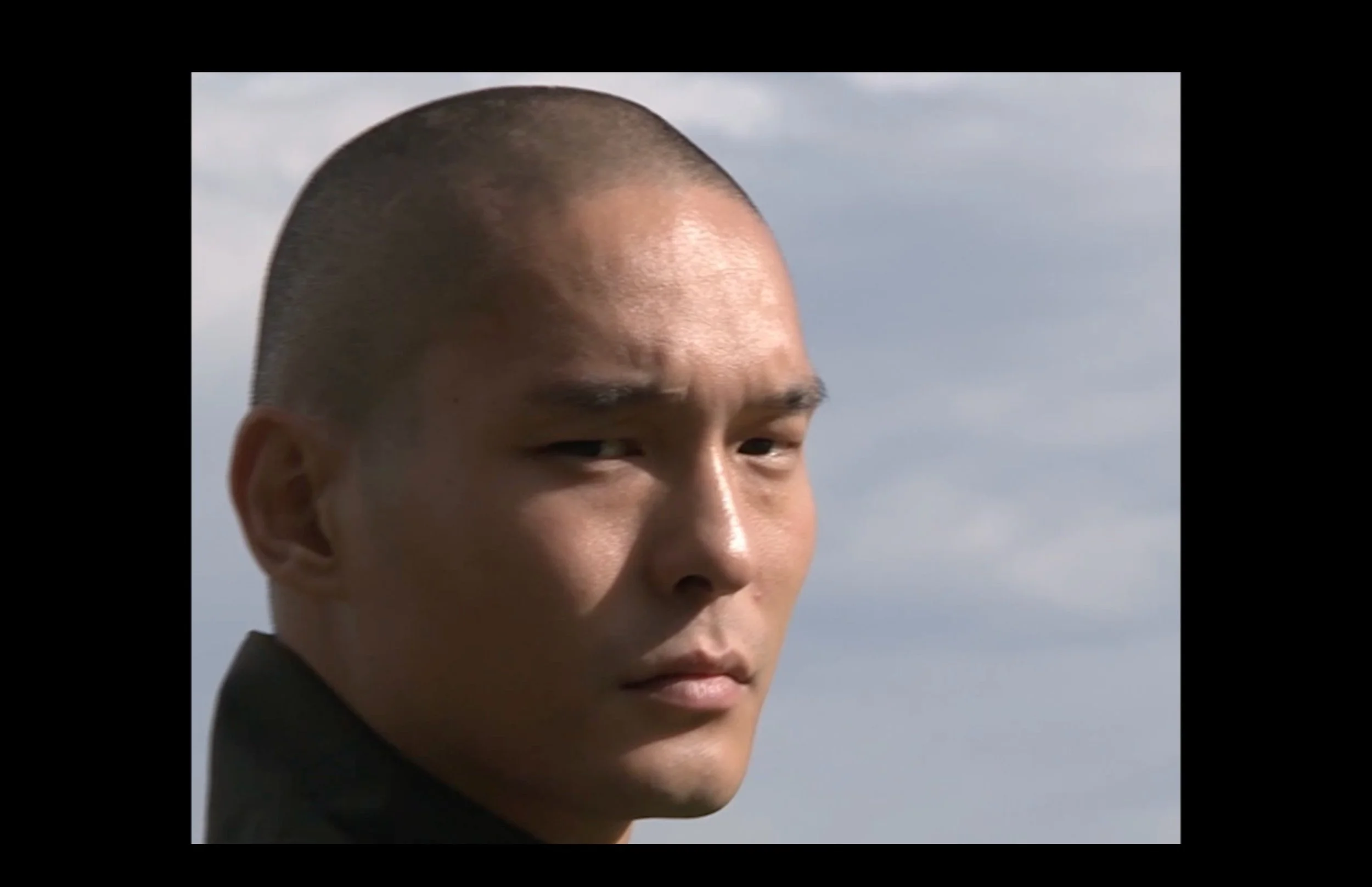
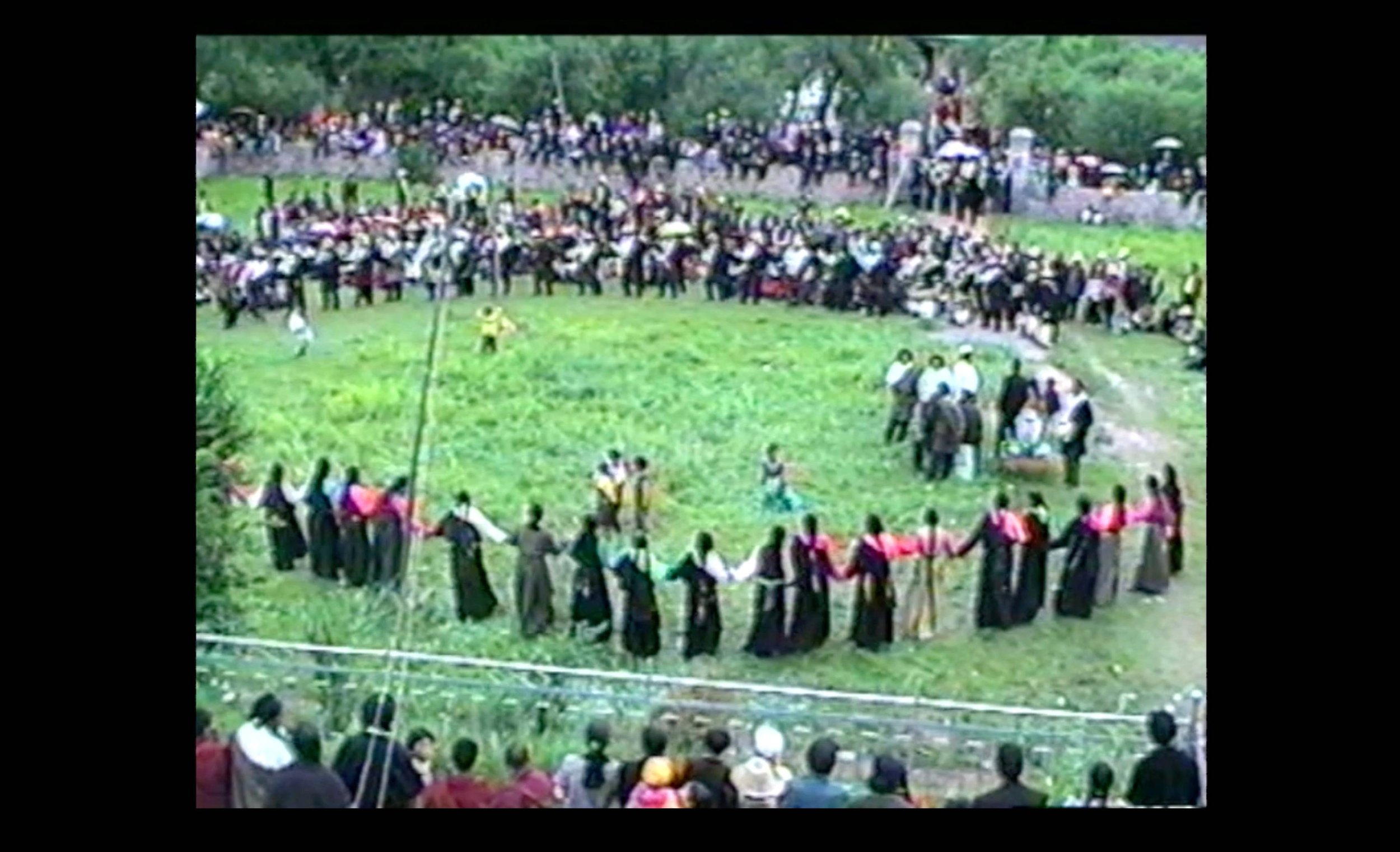
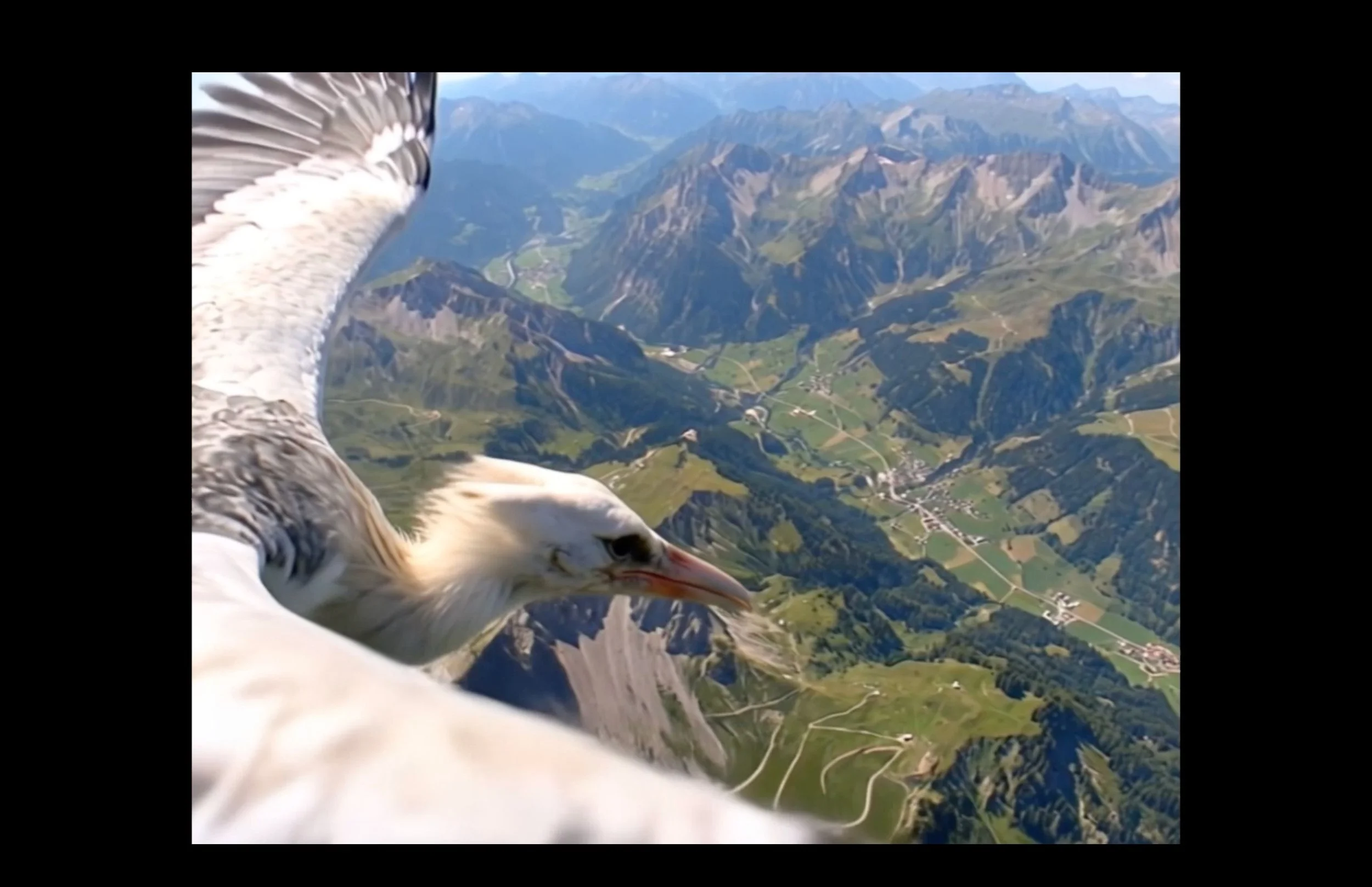
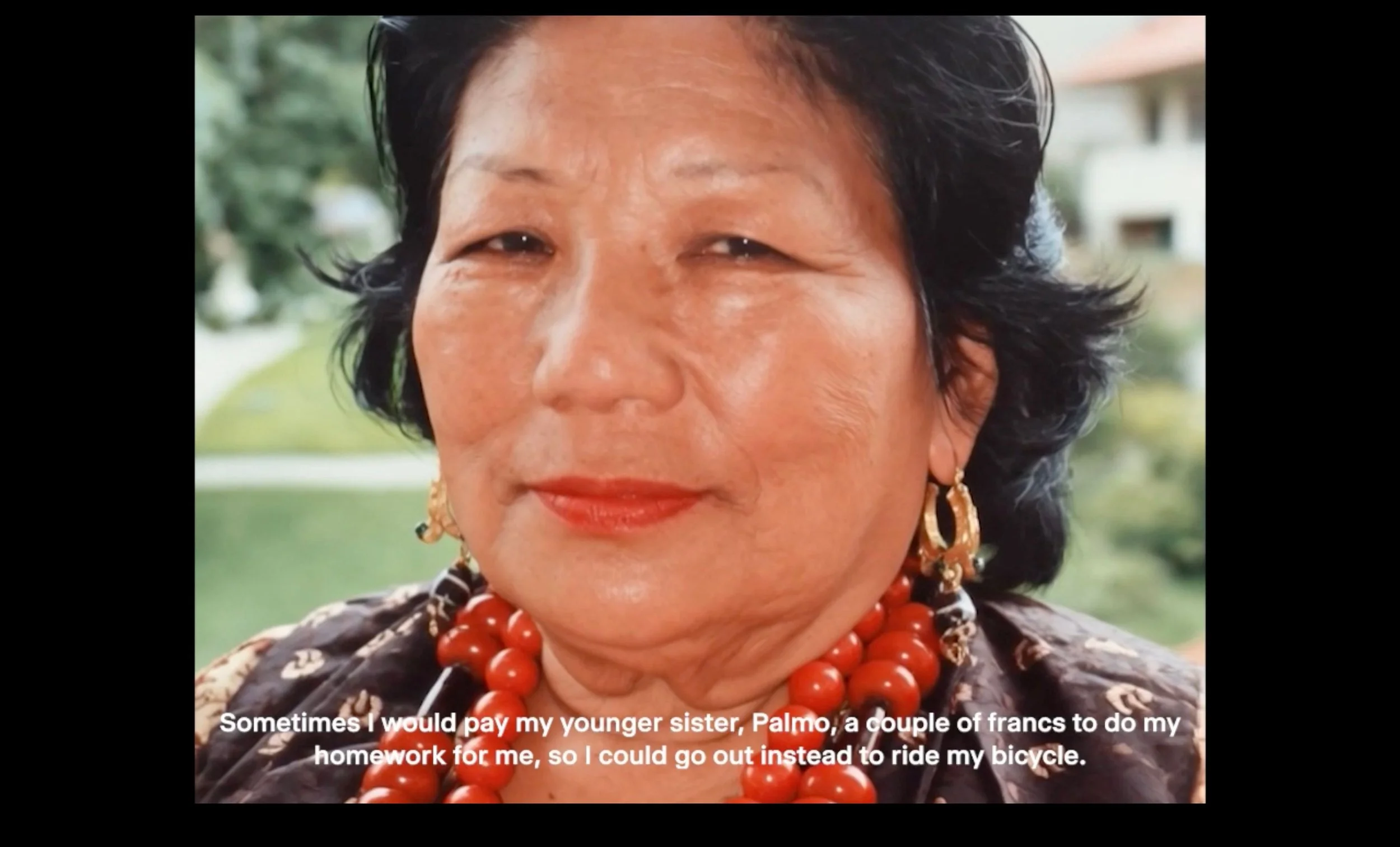
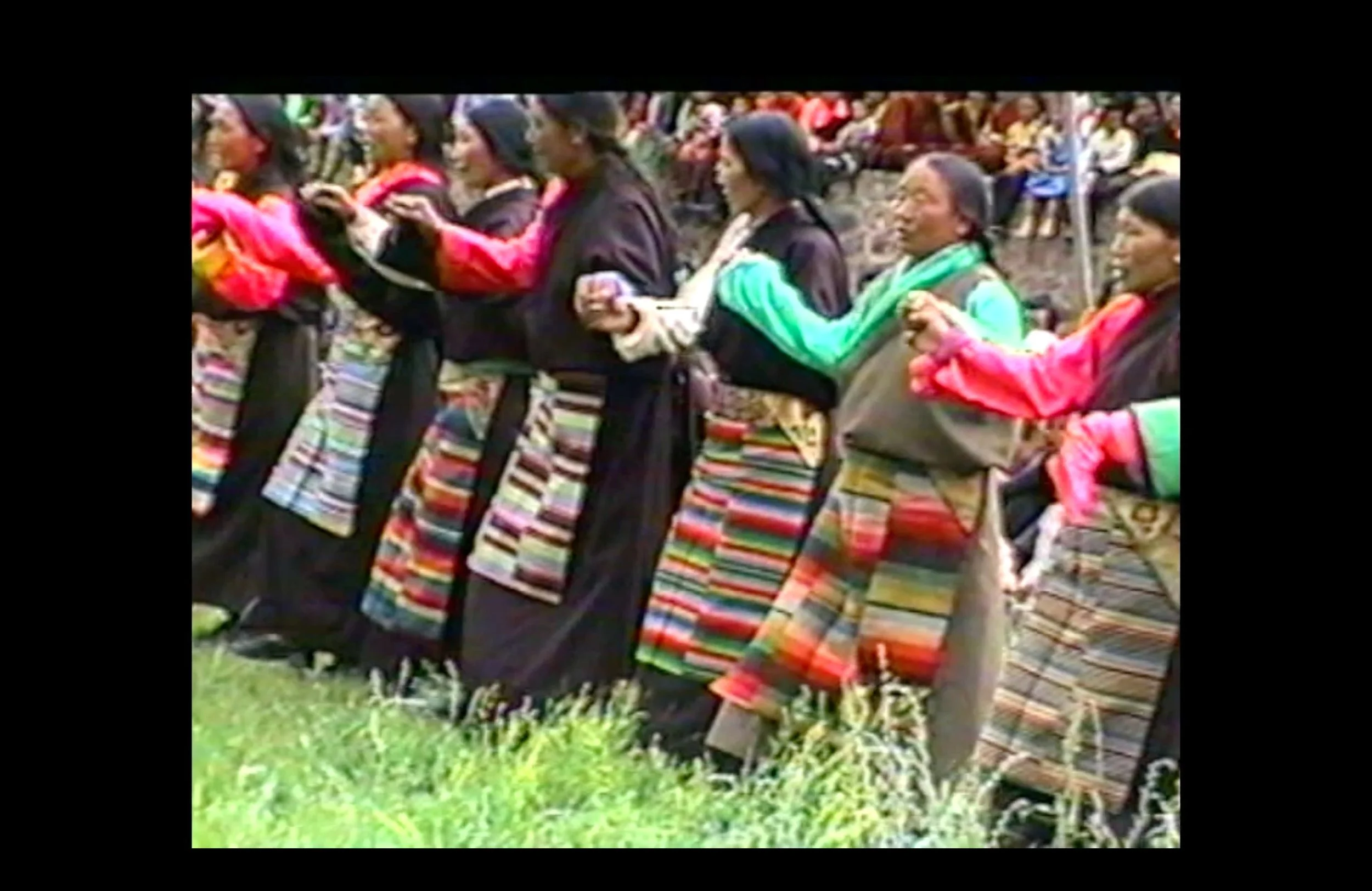
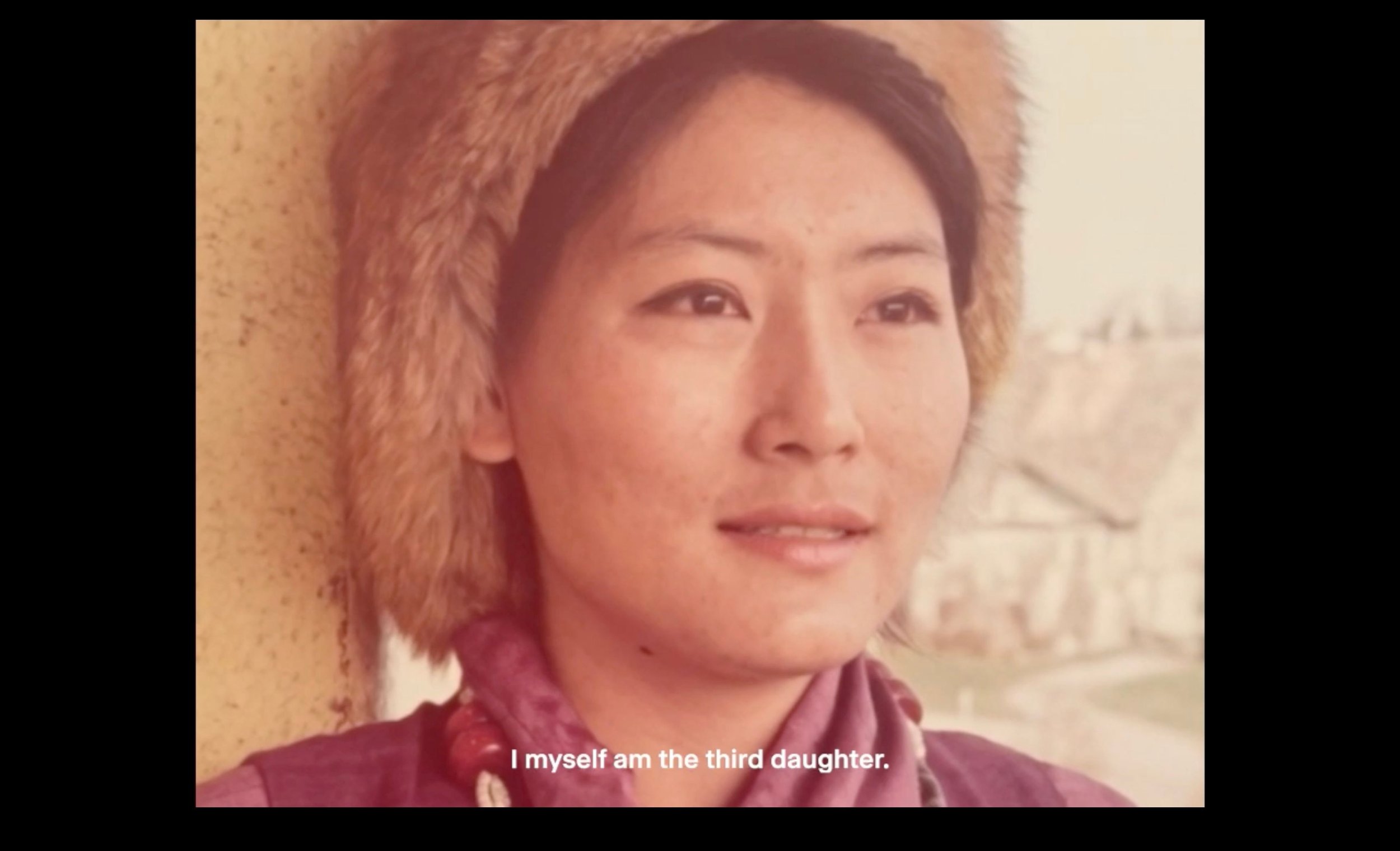
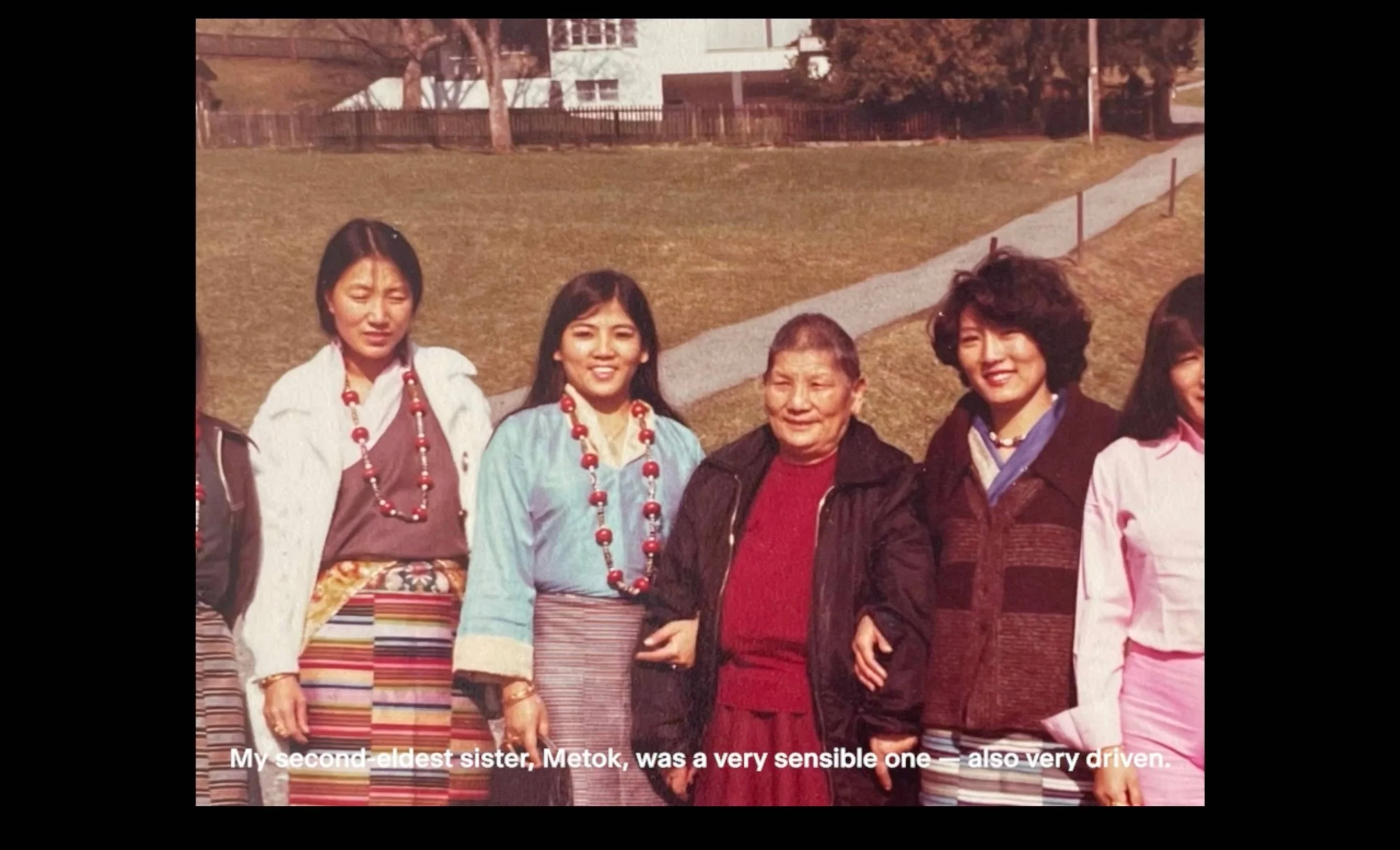
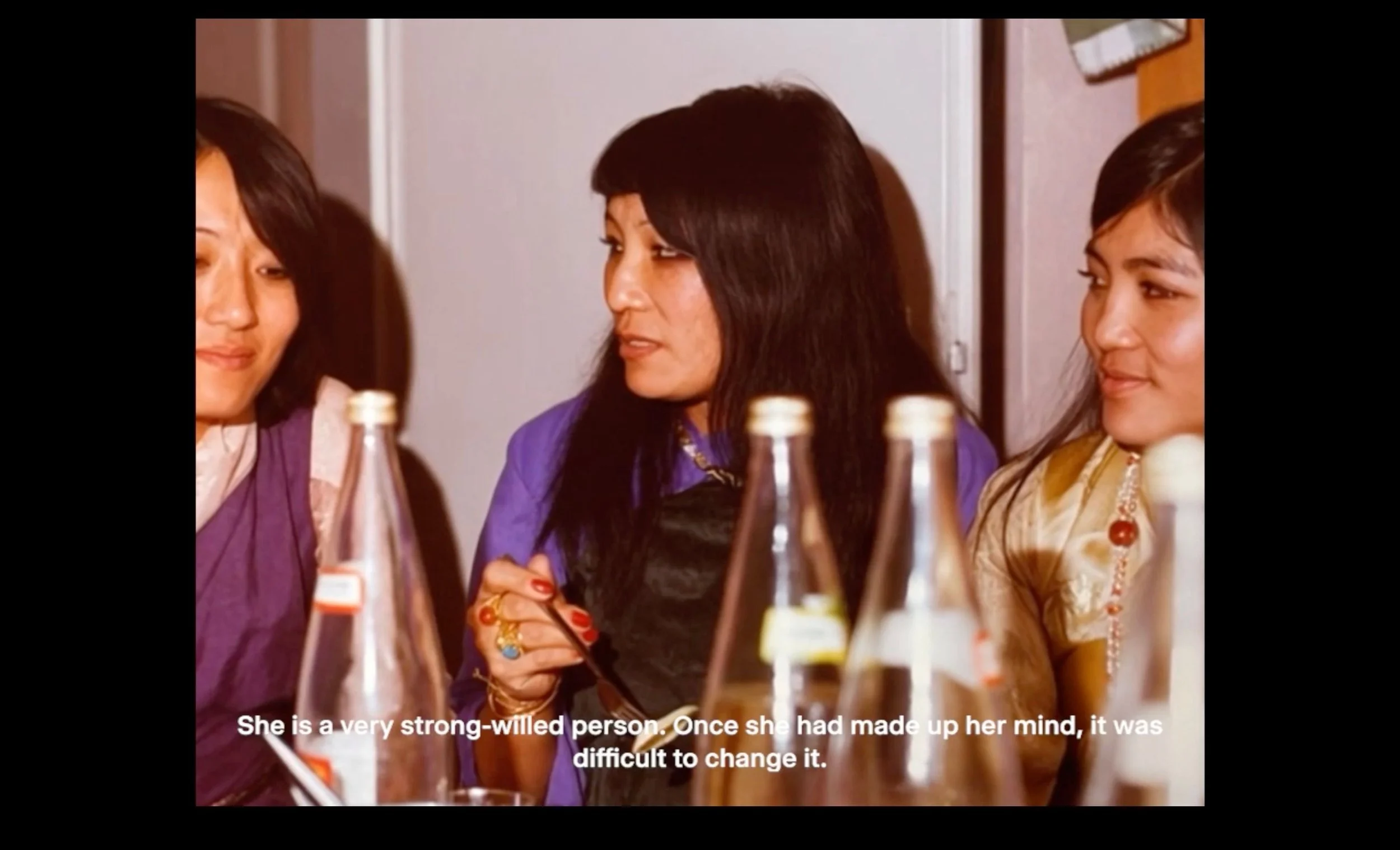
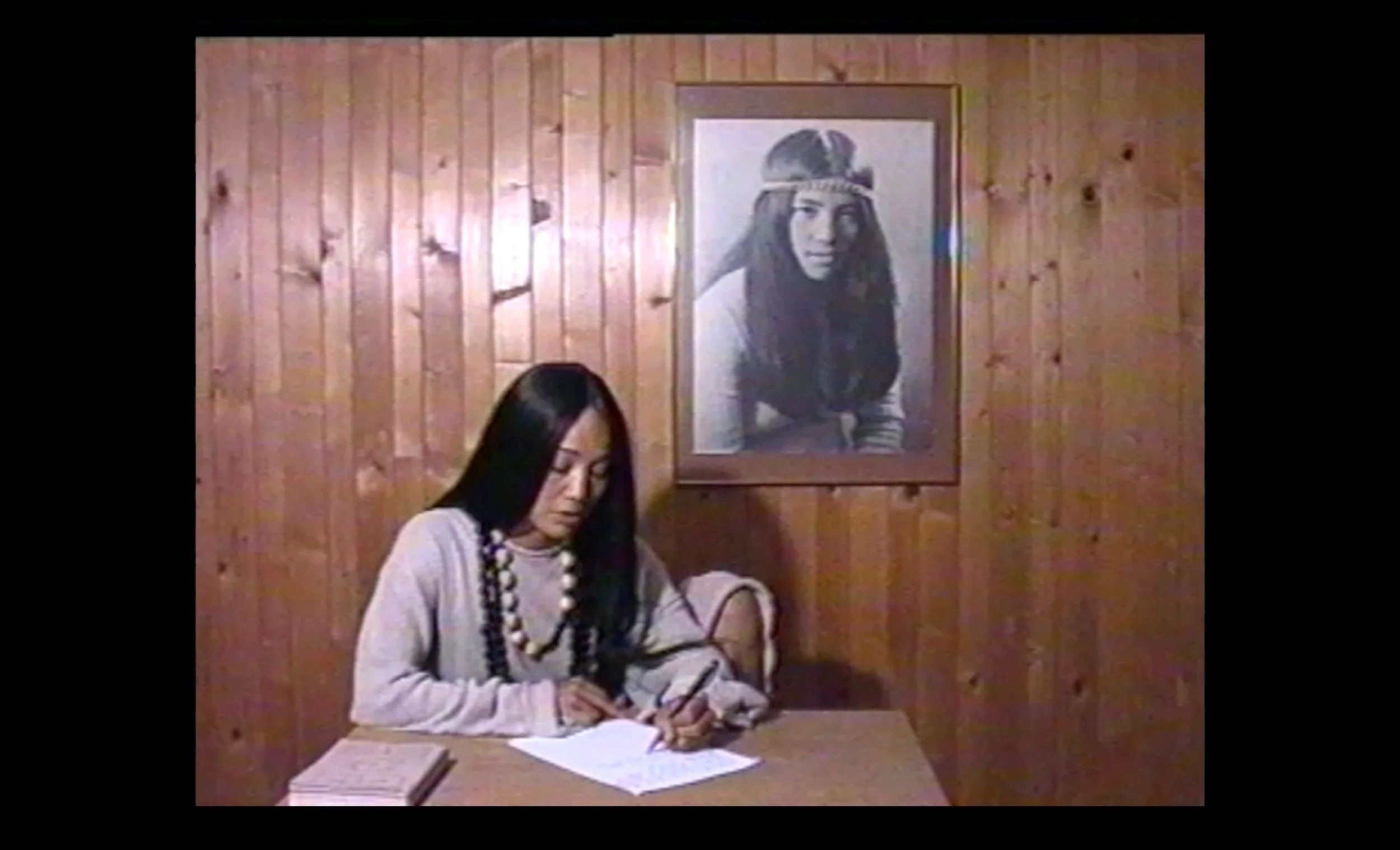
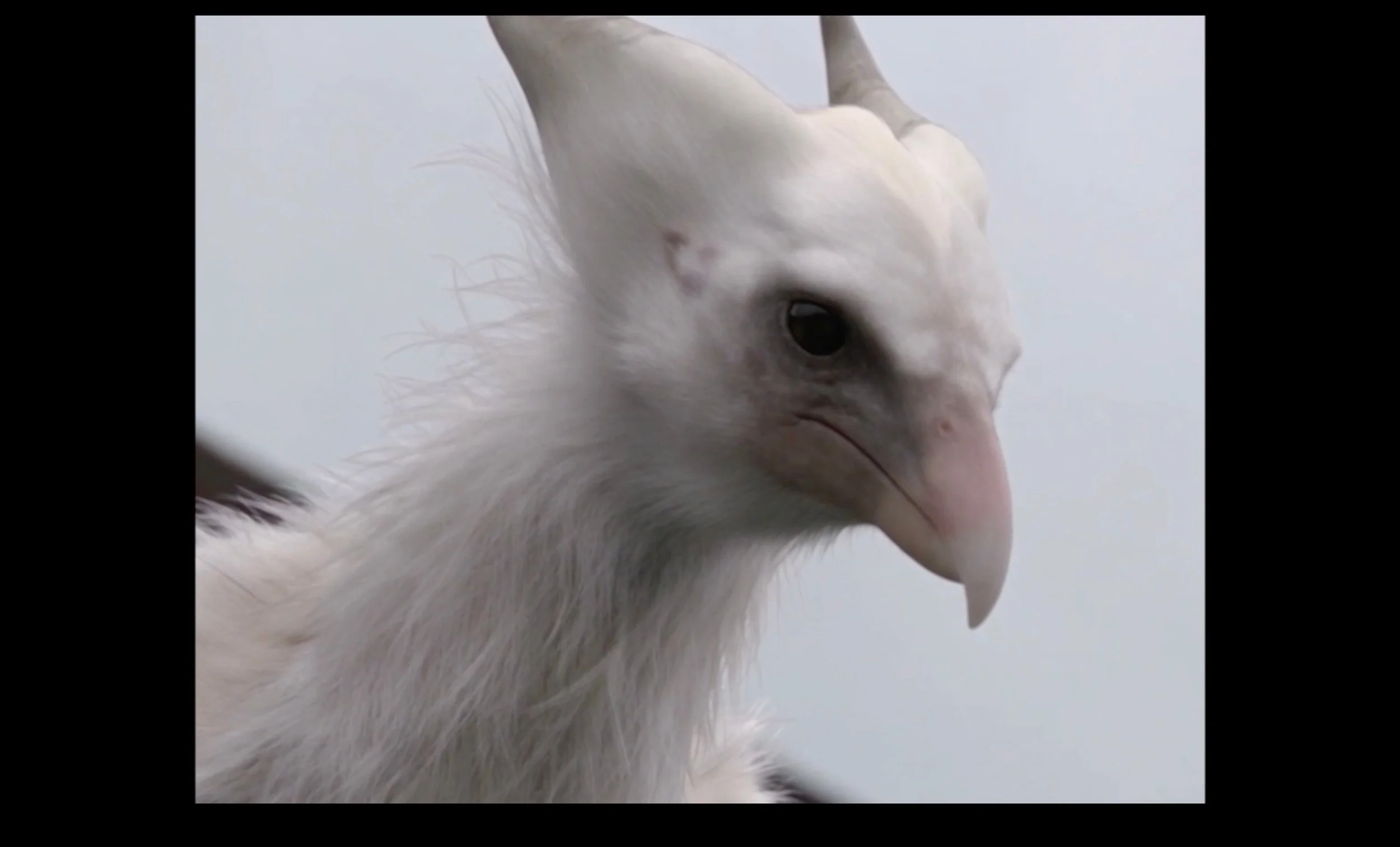
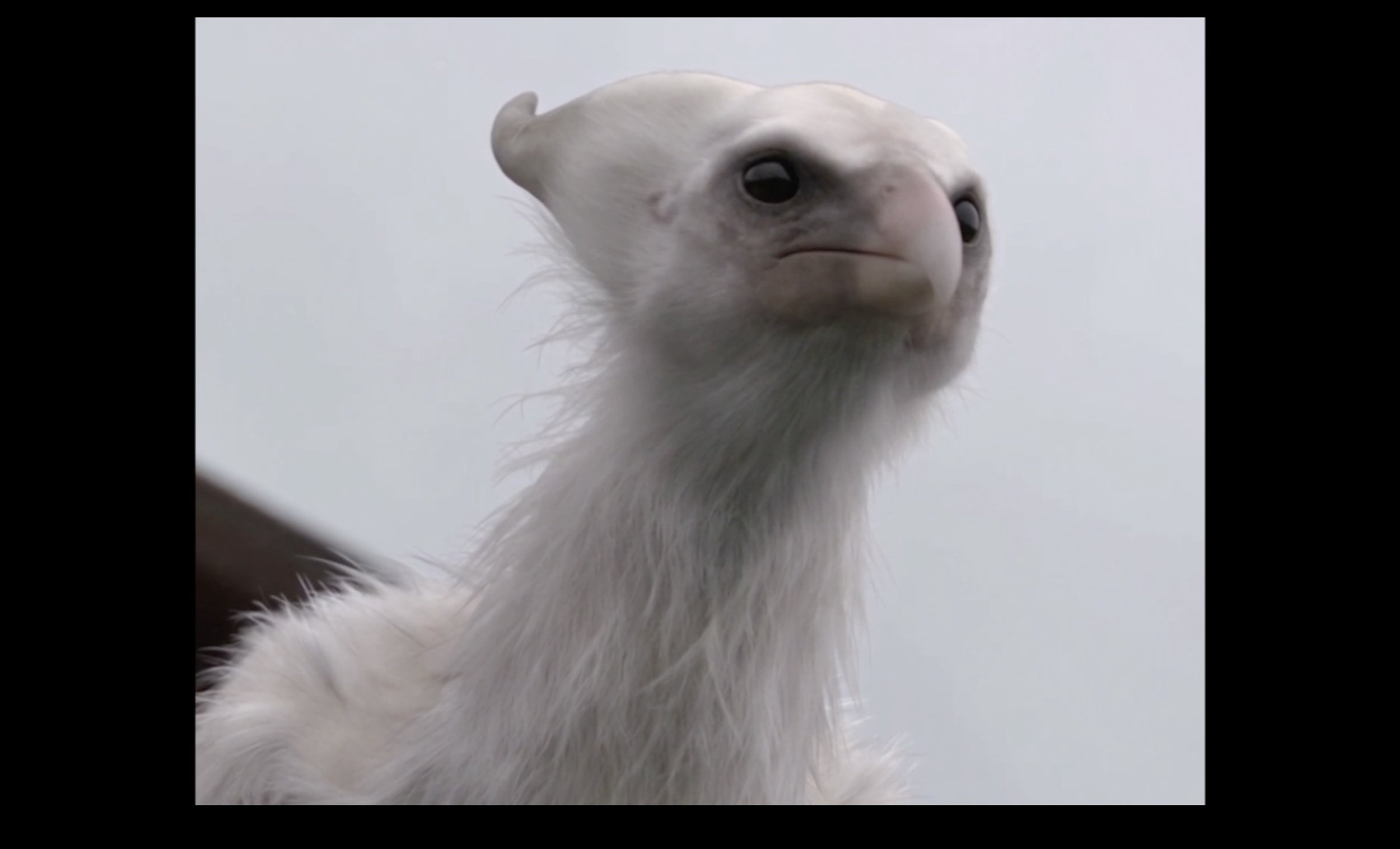
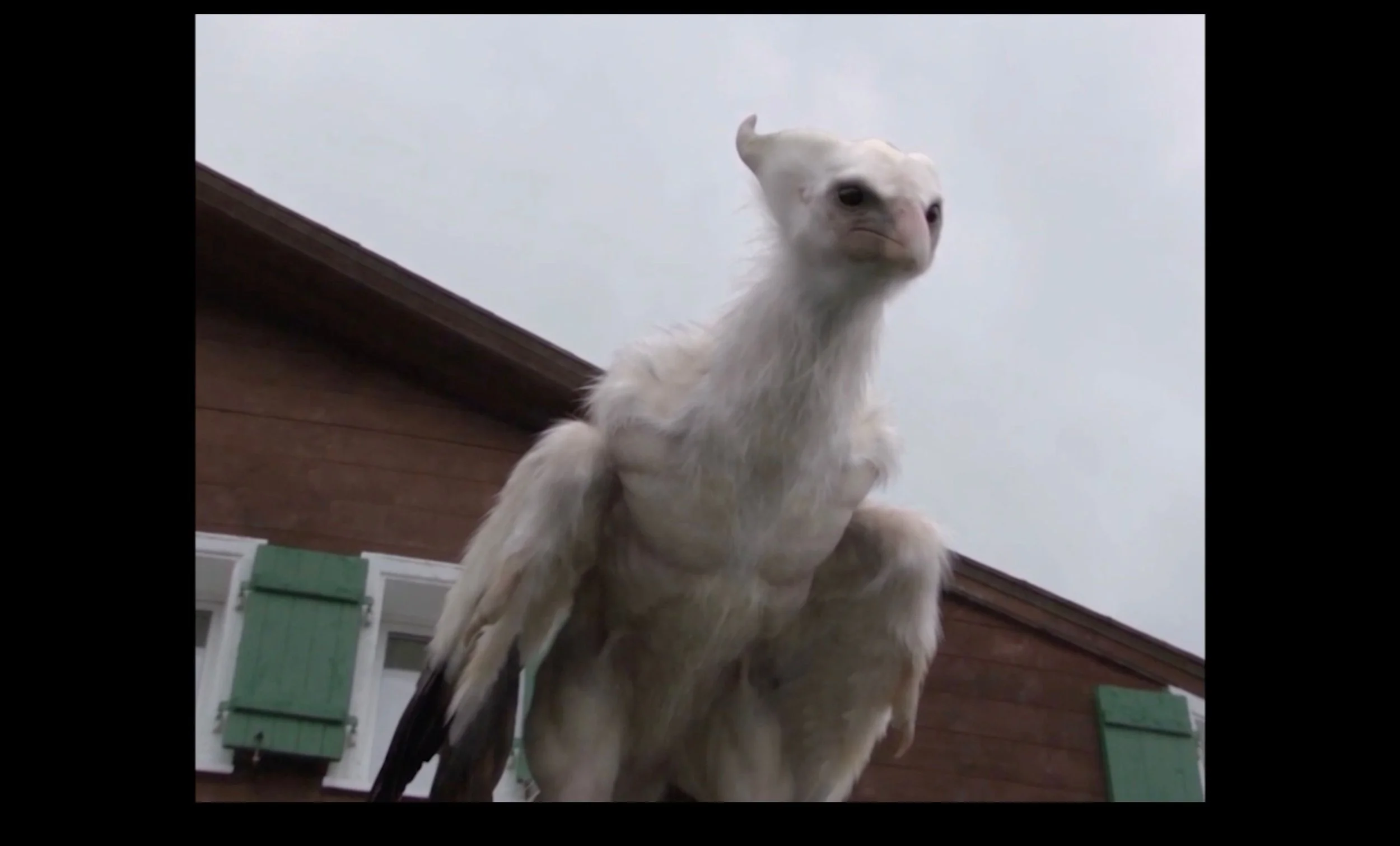
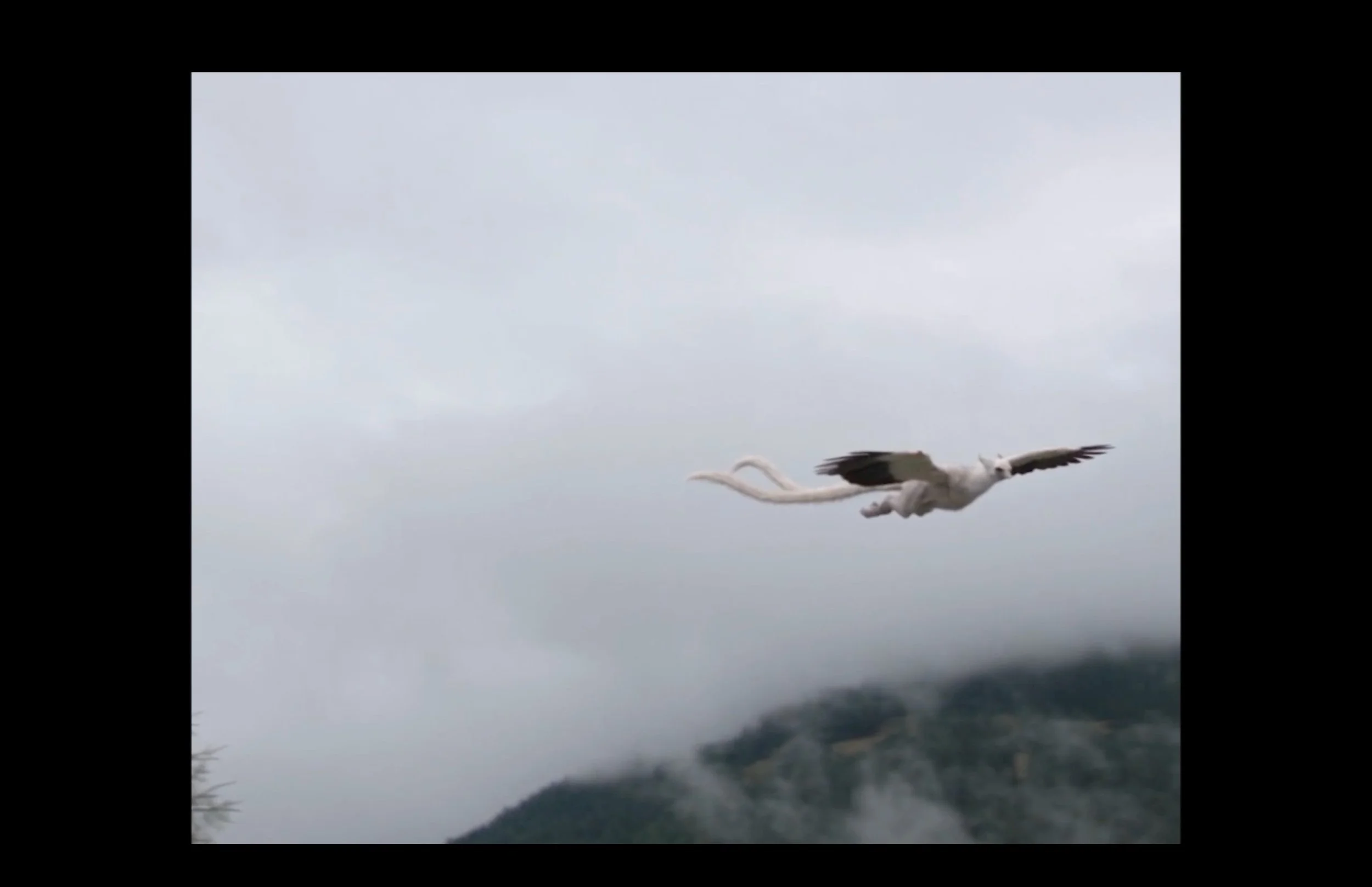
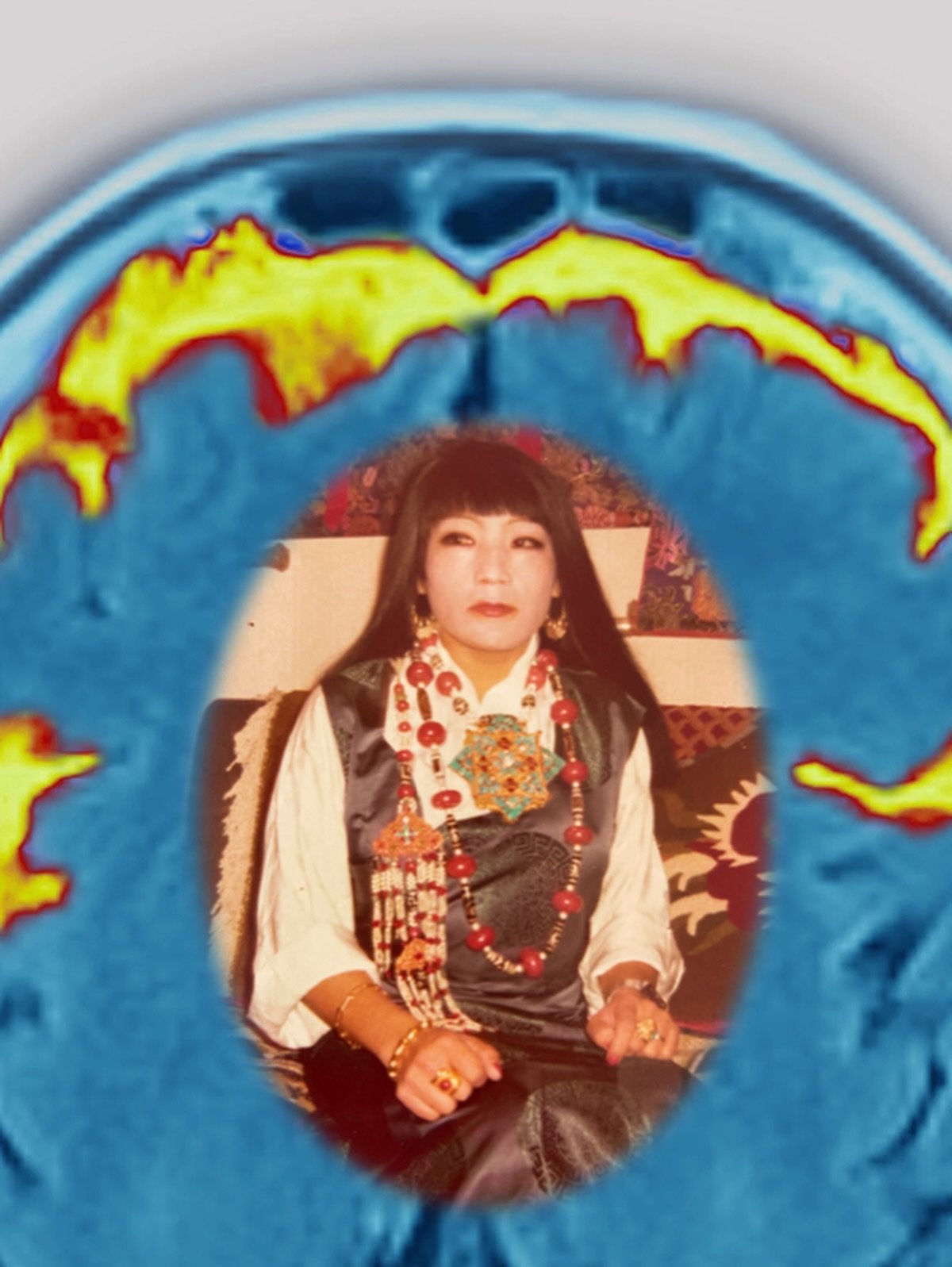
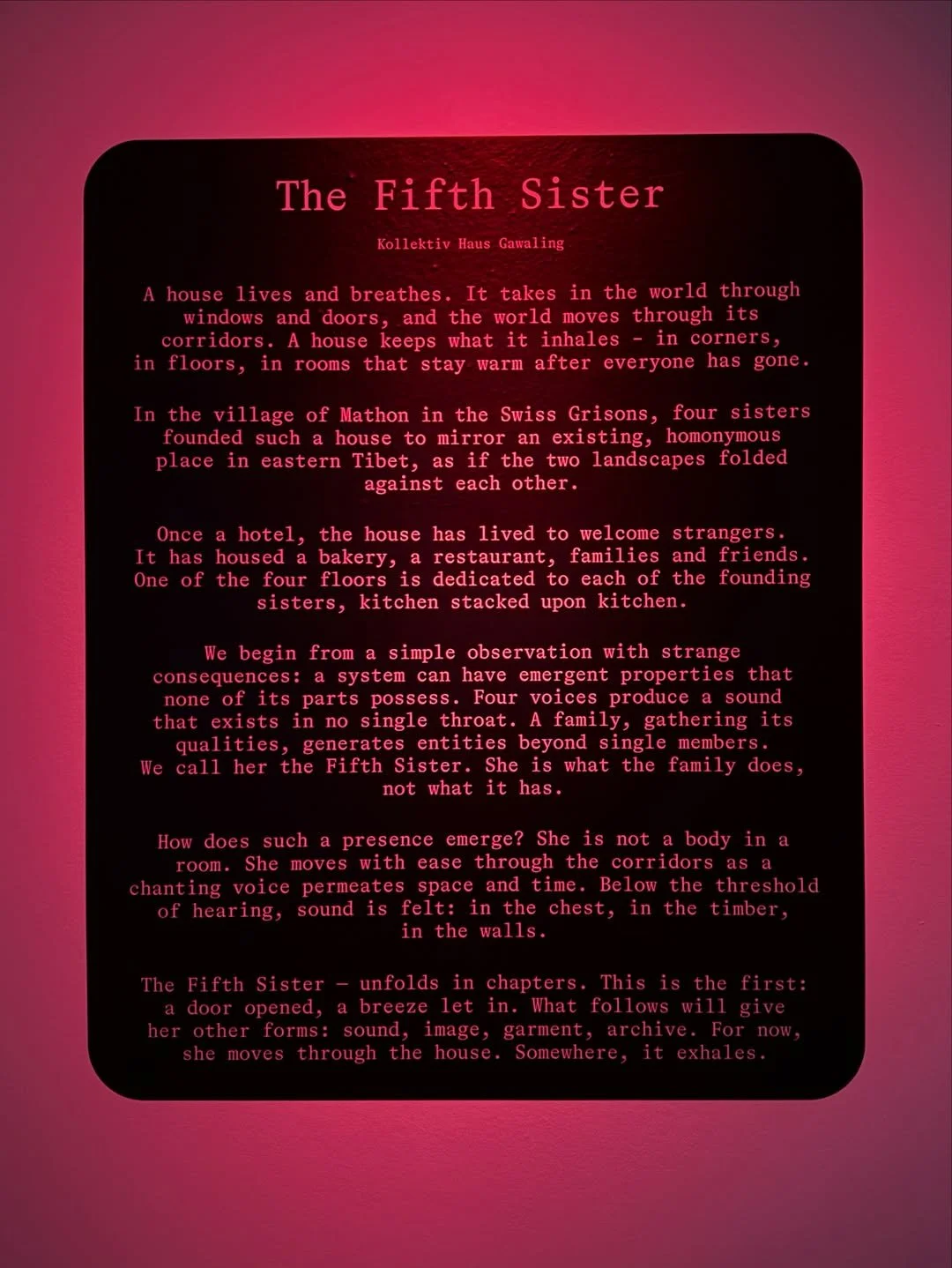
Haus Gawali began as a house in the mountains of Graubunden, named in Tibetan as a place of joy by the elder generation of a family of four sisters. Lhaga and Paelden carried that name into a collective, a residency and a network of artists that reaches far past the building itself. The Fifth Sister gathers what stayed outside the record, knowledge passed through families and bodies, through objects, gestures and things left unsaid. Directors Rosario and Enfantios built the first chapter from VHS family archives, animated photographs, traditional dance and AI images held inside the grain of the tape. An imagined sister becomes the figure around which absence, speculation and possibility gather, and the jury saw in that framework the potential for a rich, multi layered artistic experience.
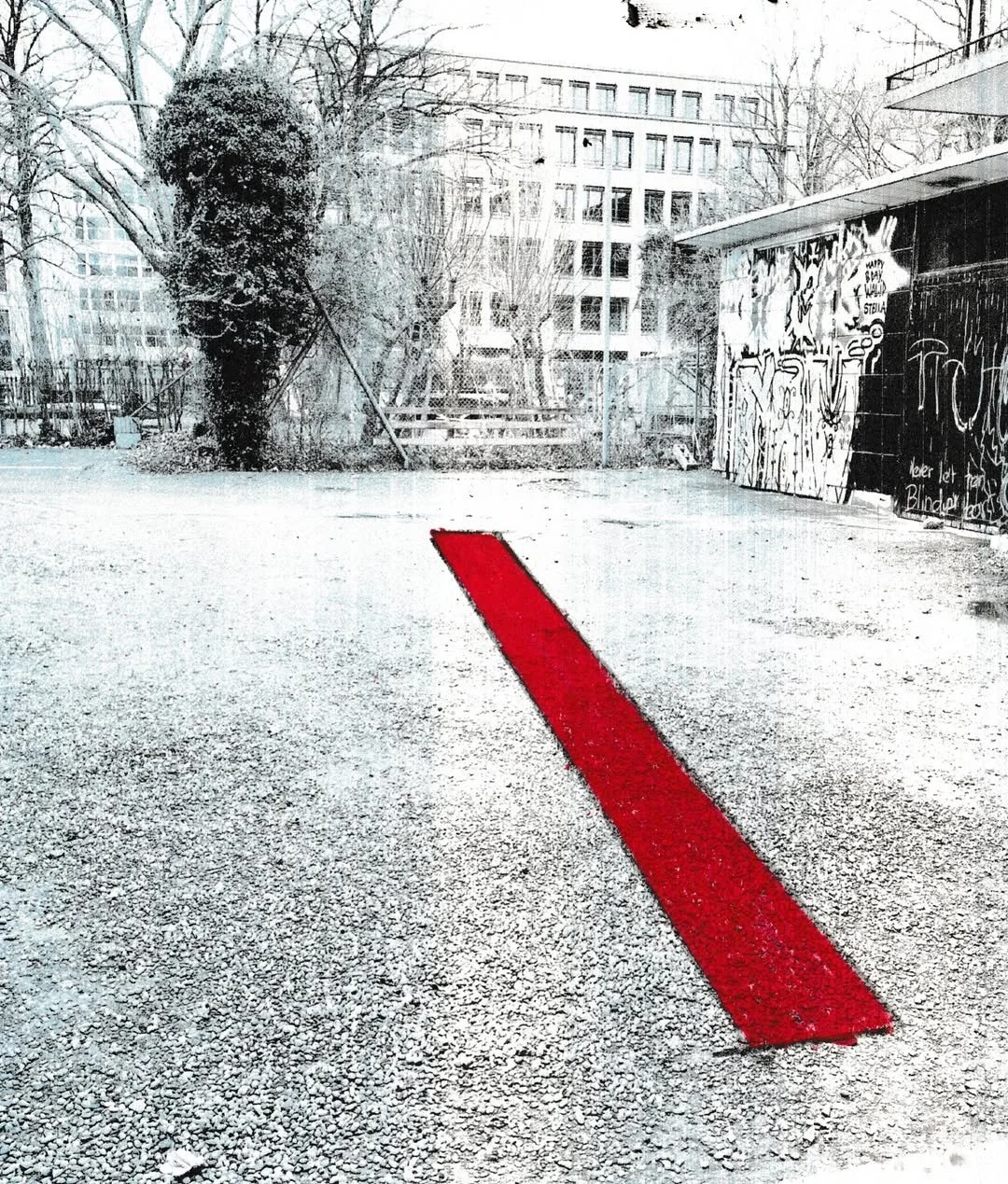
Second position went to Rafal Skoczek, whose ten metre concrete slab takes the shape of a red carpet, one metre for each year of the Zurich space Mikro, a monument laid flat as a tribute to the self organised entities that share its courtyard.
Haus Gawaling: A place of joy
COEVAL Magazine in conversation with Lhaga Namlha Koondhor and Paelden Dhargye Tamnyen of Haus Gawaling, winners of the inaugural un—realized Art Prize, presented at Kunsthalle Bern.
Let us begin with the name. Where does the name Haus Gawaling come from?
Lhaga: Gawaling translates from Tibetan as a place of joy or bliss. The name was chosen by Tsewang, one of the four sisters who founded the house, my mother being the youngest. For us, the name has come to represent more than its literal meaning. It speaks to a place of refuge, of coming together and continuing a legacy of care, a house that carries something from one generation to the next while remaining open to new encounters.
Previously the house carried a name of its own.
Paelden: People in Mathon told Tsewang that the house already had a name, Haus Piz Beverin, named after the highest mountain in the area. But by then, she had already chosen the new name “Gawaling” herself. The house had always welcomed guests and strangers, long before this project, as a place people passed through, stayed in, and were taken care of. When we later started this project, expanding it within our network and bringing it into a more contemporary context, we simply kept the name our elders had already chosen and continued that tradition.
Haus Gawaling is a house, and at the same time much more than a house.
Lhaga: Haus Gawaling is, first and foremost, a physical space — a house. But it's really much more than that: an experimental, fluid space that shifts with the collaborations and artists we work with. Consider it a collective, a community, a network of artists who come in and go out. Satellite projects can branch off and stand completely on their own, but the source, the inspiration, the heart of it all remains the house up there in the Swiss Alps.
Right now we're building an installation with a tarp — a mobile, tent-like structure made from a material light enough to cross borders — so the philosophy of Haus Gawaling can travel in a nomadic way into the Himalayas, taking on different forms wherever it lands.
When did it begin?
Paelden: I think it came from the necessity of having a place of refuge during troubled times globally, and that necessity has continued to this day. With COVID-19, it was really a moment of — the whole world just shut down. What are we going to do if meeting each other becomes impossible? Then, once restrictions eased slightly, it was an initiative by Lhaga, who opened up the house. Until then, it had been a space just for her family and the Tibetan community.
Lhaga: It reminded us that the generation before us had already come out of survival — that they showed us a place of celebration and care, not just of struggle.
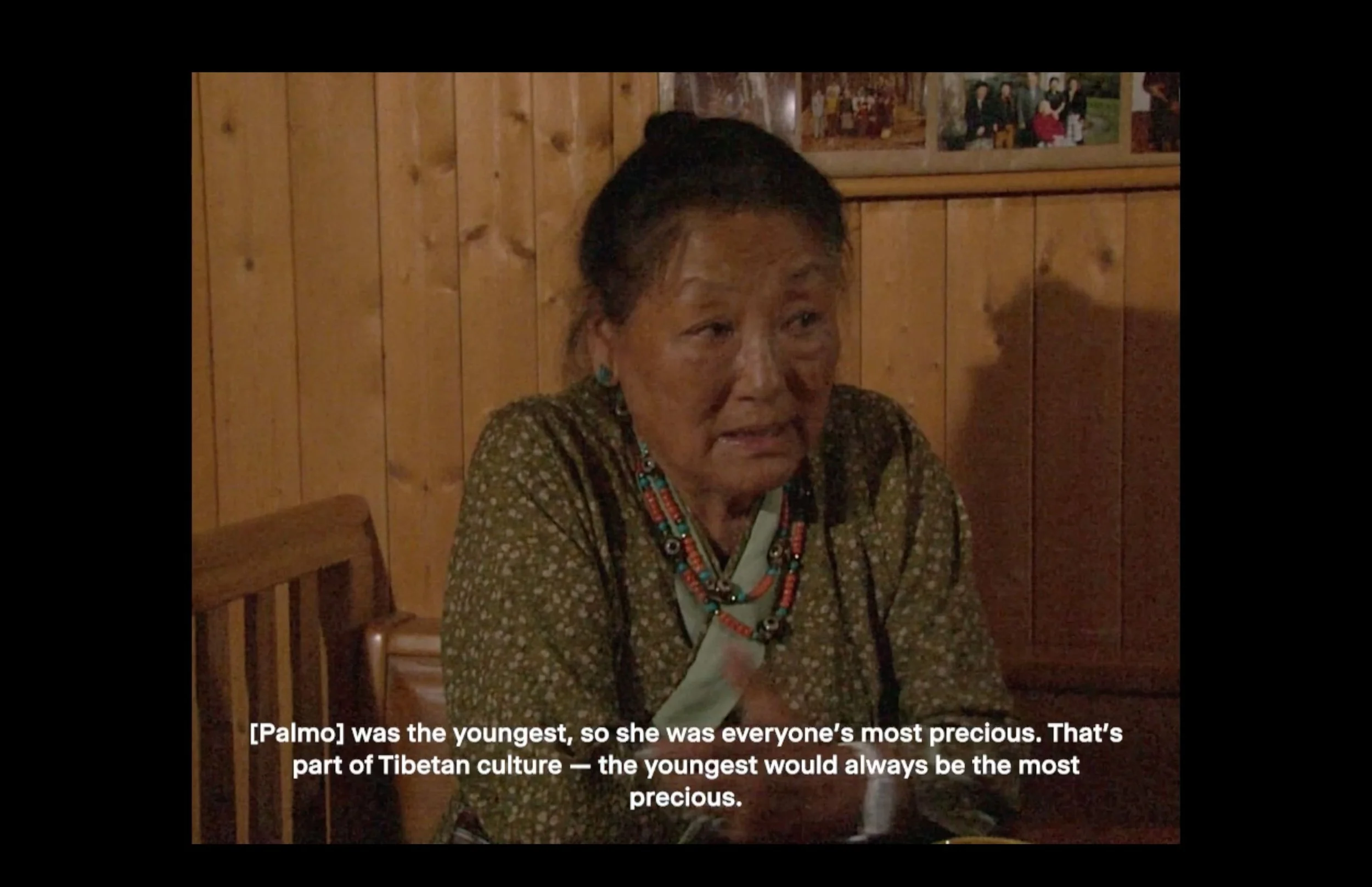
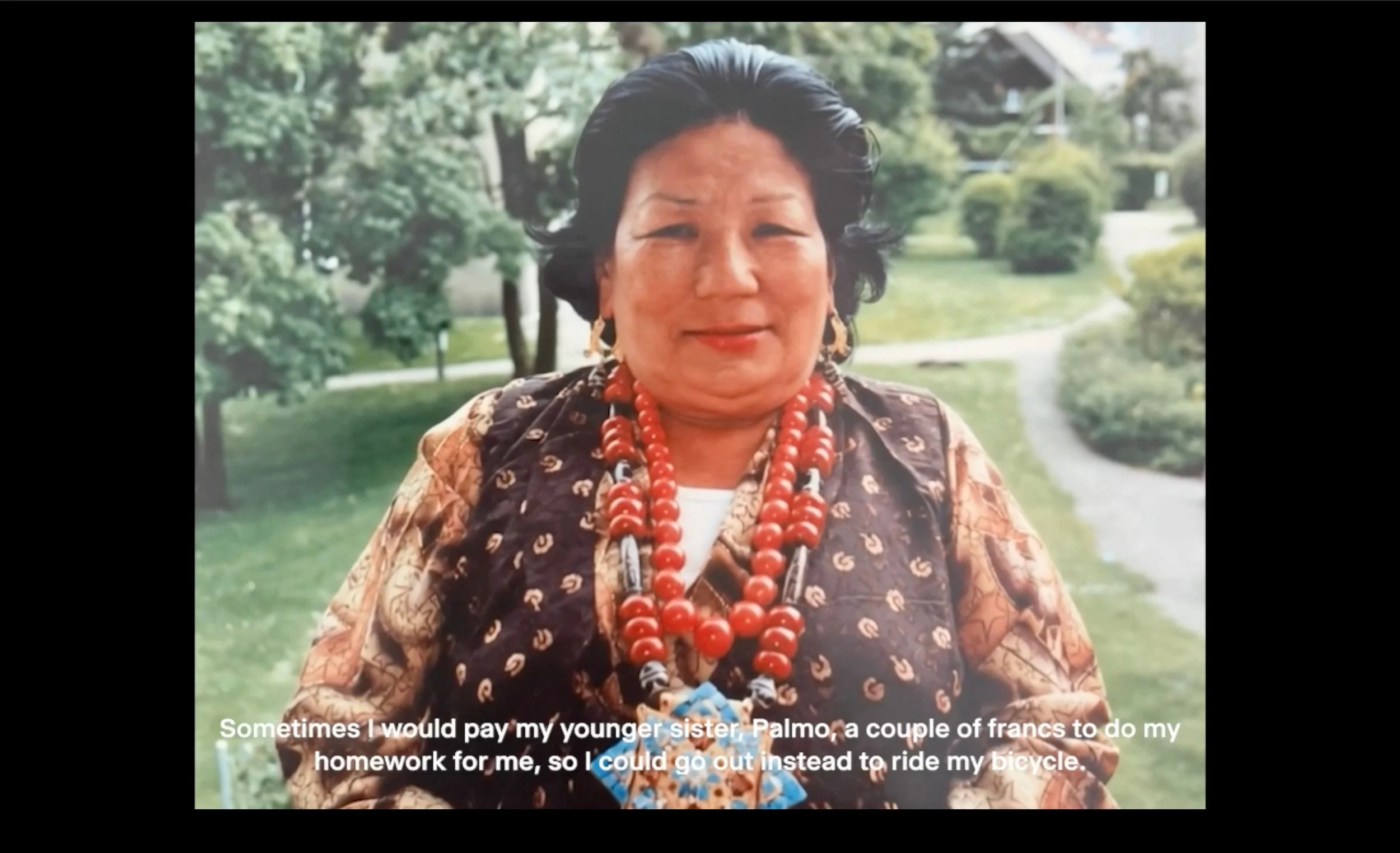
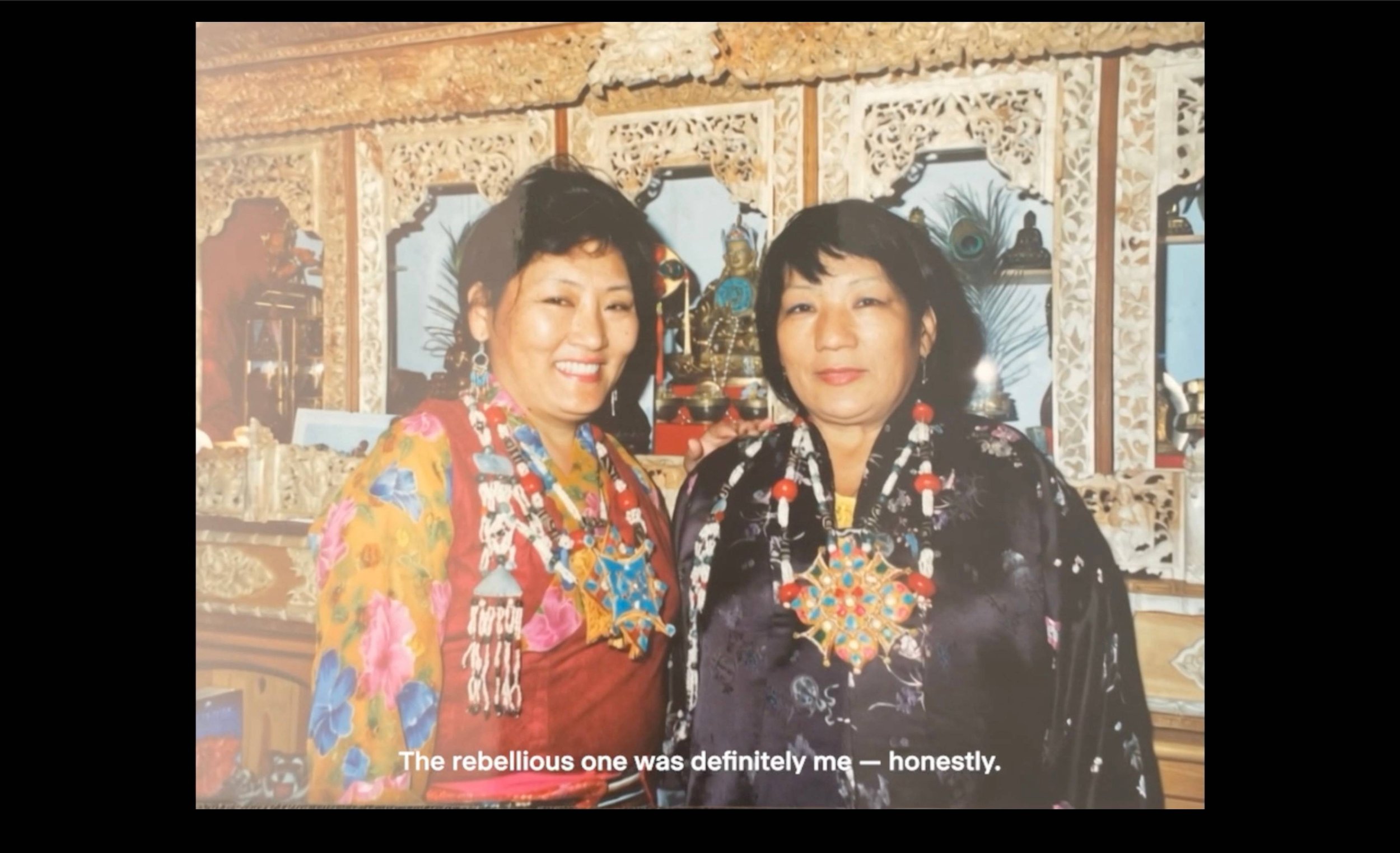
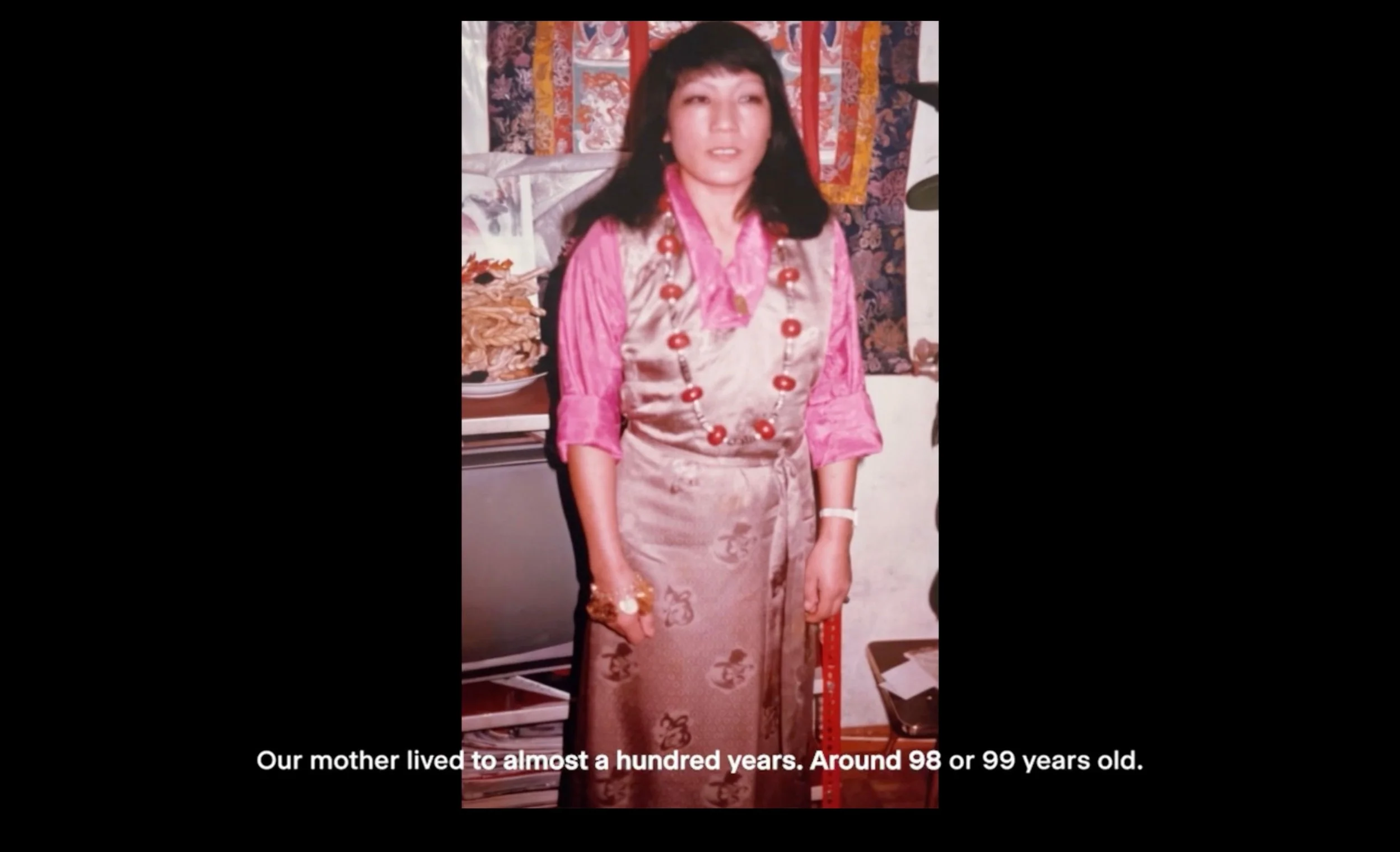
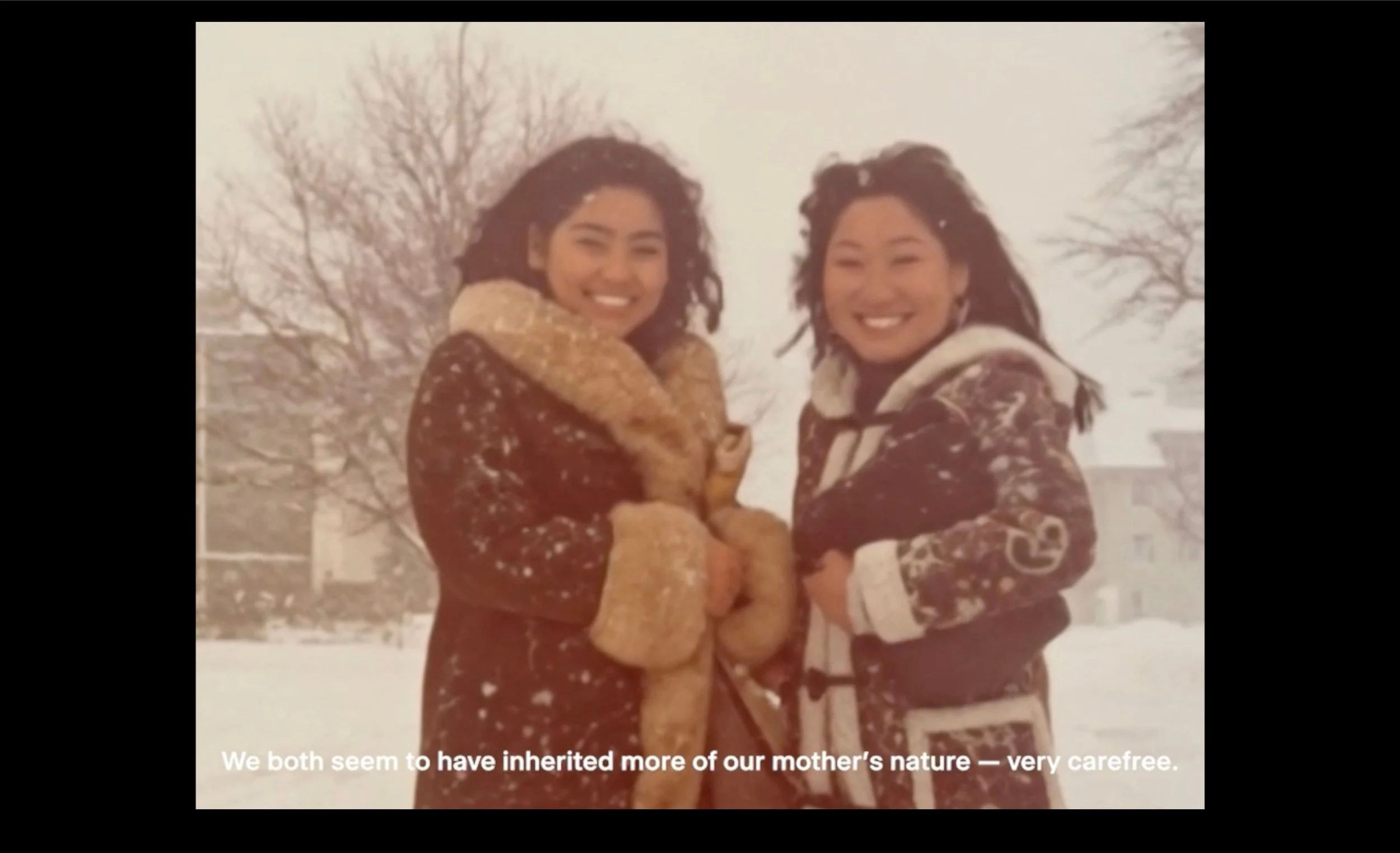
Paelden: Since 2009, the house had already become a place where people gathered — not only family, but a meeting ground between the Tibetan community and the locals of Mathon. Lhaga’s elders, including her mother Palmo, her aunts Tsewang, Angelina and Metok, and other relatives, welcomed family and community into the house alongside their Swiss neighbours. Family gatherings would sometimes bring together thirty or forty Tibetans, often with locals joining in as well. Today, we are continuing that legacy, welcoming a new generation into the house in that same spirit.
Lhaga, you keep coming back to the generation before you.
Lhaga: To be a person of colour growing up in Switzerland is to recognise early that what gets called unfair is never random. It is a structure, dressed up as fate. Stumbling into that made me want to take their way of doing things and use it as a method: how they gathered, how they celebrated, how they found back to stay close to nature despite everything. That's what started this whole project.
Paelden: When I look back at the history of Haus Gawaling, I see a lot of the history of your aunt and mother, who had a tradition of helping newly arrived Tibetans and giving them a space to come up there and feel at home. They did it, and they did it so elegantly, so effortlessly. You took it upon yourself to carry that tradition forward, opening it up to a new context — one that goes beyond the Tibetan community and reaches marginalised communities more broadly.
What does that new context look like from the inside?
Lhaga: This new context is experimental, by necessity. Family, here, is not simply inherited; it is redefined, made queer, made fluid, chosen and expanded past the limits of blood. And this is not the work of one generation alone, handed down and received. It is two generations, side by side, building it together.
Paelden: It is still to this day an intergenerational house. Even when we have a residency with twenty somethings from all over the world, there will still be days when the Lhaga’s aunt comes along and brings her people. This sharing of knowledge and culture from both ends is what makes it kind of magical.
Lhaga, you keep coming back to the generation before you.
Lhaga: To be a person of colour growing up in Switzerland is to recognise early that what gets called unfair is never random. It is a structure, dressed up as fate. Stumbling into that made me want to take their way of doing things and use it as a method: how they gathered, how they celebrated, how they found back to stay close to nature despite everything. That's what started this whole project.
Paelden: When I look back at the history of Haus Gawaling, I see a lot of the history of your aunt and mother, who had a tradition of helping newly arrived Tibetans and giving them a space to come up there and feel at home. They did it, and they did it so elegantly, so effortlessly. You took it upon yourself to carry that tradition forward, opening it up to a new context — one that goes beyond the Tibetan community and reaches marginalised communities more broadly.
What does that new context look like from the inside?
Lhaga: This new context is experimental, by necessity. Family, here, is not simply inherited; it is redefined, made queer, made fluid, chosen and expanded past the limits of blood. And this is not the work of one generation alone, handed down and received. It is two generations, side by side, building it together.
Paelden: It is still to this day an intergenerational house. Even when we have a residency with twenty somethings from all over the world, there will still be days when the Lhaga’s aunt comes along and brings her people. This sharing of knowledge and culture from both ends is what makes it kind of magical.
Something like that happened while you were shooting The Fifth Sister.
Lhaga: Even during the process of The Fifth Sister, Tsewang invited fifty Tibetans from the East Tibetan community. We were shooting the material for The Fifth Sister, and it turned into one big open house. It was a full house.
Paelden: People came from Belgium, Brussels, France, India, from Switzerland. The common denominator was that they all come from the same region of Tibet, and they have this annual get together. It coincided with our shoot, so we were coexisting there. The most beautiful thing was that all the collaborators who were part of The Fifth Sister enjoyed being in this realm and getting to know a reality and a culture that was new to them.
That gathering seems to say something about how the project works.
Lhaga: There's something rare in the fact that we all come together at all — that so many different people find their way into the same room. That's true for The Fifth Sister too: artists, filmmakers, scientists, all gathering around a shared cause, with the time and space to actually question how we want to operate, how we want to work together. That matters especially now, in what feels like a new oral culture — where everything moves as a vibe, where everything arrives through algorithms, and truth becomes harder and harder to locate. In a way, that opens up a kind of glitch — a moment that pulls us back toward cultures where orality, oral tradition, was always how knowledge got passed on.
Paelden, you have thought a lot about that shift.
Paelden: When we talk about The Fifth Sister, it is crucial to talk about how information gets passed on – the standards we apply when knowledge is transmitted from person to person. Given the time we're in, which is highly digitised, so much of what passes for information now comes from a very new oral perspective. I've caught so many people saying "oh, I read something," when what they actually meant was "I saw a TikTok." This is the reality we're living in, and it's one the general public has to reckon with on a big scale too — in politics and beyond.
And within your own culture, that oral transmission was long treated as lesser.
Paelden: For a long time the way knowledge was passed on within our culture was looked down upon, you know what I mean. It was like, yeah, your mother telling you a story about this and that stays unverified. Where are the quotes? I remember being at university where everything had to be cited, quoted. And the way information is passed on these days, nothing is cited, whether that is big news out there or just content. That gives us the liberty, and also a bit of the urge, to go back to the way our parents passed that knowledge to us, to put it in a context that fits this new oral culture, and to make it legit as well. I never questioned what my mother told me, and I think you never did either. That has to be able to coexist, given the times we are living in right now.
Lhaga, the film puts two places called Mathon on the same map.
Lhaga: This chapter puts both Mathons on one map — one in eastern Tibet, one here in Graubünden. My mom and her sister told me the name exists there too. So in the film, we connect them. For years, Google Maps just showed nothing. But who is Google Maps to decide what's real? Tibetan regions get renamed, sinicised, erased — long before any map gets drawn. So this is us reclaiming that. Making it true again, after being told for so long what truth even is, mostly by white men. At some point, we have to rethink what democracy actually means.
How does that identity show up in the way you work together?
Paelden: Haus Gawaling carries a deeply Tibetan identity, shaped by a complicated history. And in the places we live now, we carry a different experience on top of that: being a minority. Both shape how the house functions at its core: nothing is ever one person's perspective or one person's position. Take “The Fifth Sister” — it's a group effort. Haus Gawaling always brings in multiple people, and those people are carefully chosen: people who work well together, who have mutual respect for each other, and who can build something together.
Lhaga: It also comes down to intuition, care, sensibility. Talented artists, scientists — all pouring work into this, despite full schedules, because they believe in it. That's the rarest part: putting that energy and time together. We're building this in phases, in chapters, but always tied back to the same core — women who believe we take care of each other, that we come together. That's where we take our inspiration from.
The women of the house keep coming up.
Paelden: The whole ethos, the whole mindset of Haus Gawaling comes from the women who actually lead it, because those are the ones who taught us how to interact with community, with people, how to embrace different identities, different talents, and then bring them together. Honestly, if I look at every Tibetan family, it is always the women who built the house and made sure that it was fun.
Lhaga: IIt matters that Tsewang is still with us today. So much wisdom moves between the rooms, in the kitchen — that's what makes this project what it is. In a time like this, intuition and care aren't soft skills, they're strength. We speak about our elders, and they're still here — they're part of it.
Paelden: They are part of it. Very much so.
Haus Gawaling — The Fifth Sister: memory as a working method
COEVAL Magazine in conversation with Rosario Bohío and Enantios Dromos, directors of The Fifth Sister, winner of the inaugural un—realized Art Prize, presented at Kunsthalle Bern.
Let us begin with the project itself. What is the core of The Fifth Sister for you?
Enantios: For me, personally the core word would be memory. For both of us, and as a collective, together with Haus Gawaling, memory is something incredibly important. I always say that memory is what keeps me alive. Not only as a filmmaker but as an artist, being able to create new narratives, new ways of showing who we are, the things that we do, how we want to portray things, ourselves, other people, our community. Even while making this project we found a treasure, a cabinet full of VHS tapes from the family.
Those family tapes ended up inside the film. How did you work them into the new footage?
Rosario: From the families, a lot of families. We integrated them into the video, so the images of the dances, for example, are archival memories from the family that we placed alongside the new images. When we talk about memory, it is the fire that moves our machinery. The possibility of creating new memories is insane to me, honestly. It feels so magical. The technology of creating memories is really special.
Magical in what sense?
Rosario: It feels so simple, because we are creating memories every day, all the time. We are creating one right now. Being on this side of the camera, and at the same time being so connected to the person we are recording, is special, because we have this closeness. Sometimes we see ourselves differently only when someone records us and we watch what happened a second ago. It is also about generation, about being close to a house that is so old, seeing all the people who passed through it, being in the mountains and feeling small next to something as big as nature. And working with Tsewang was so emotional, honestly.
Rosario: The shoot moved you personally as well.
Rosario: Since the beginning, Tsewang was talking and sharing so many anecdotes with us, and I was teary constantly. My body really reacts to melancholia, to nostalgia, all of this. I am also a migrant, so I resonate with any story that someone wants to develop with me, wants to share with me. Even though I come from another culture and another country, so many things belong to the migrant experience, and we all connect there.
Rosario: It is not the main subject, it is just something so present in our lives. In my family this has been a very significant generation, and it is still the present. We look at all the experience made here, at immigrating to Europe, at the moment when they came to the United States.
There is a coincidence at the heart of the film, the two places called Mathon.
Enantios: Something beautiful and important in the process of the film is that we are talking about Mathon, and Mathon is a place that exists in the mountains of Switzerland and also exists in Tibet. The family learned this only later, after they bought the house. They had no idea about the connection. We could never call it a coincidence. We made a piece specifically about this mirroring, about two places that have nothing to do with each other and at the same time bring this community together.
Who did you make this film for?
Rosario: I remember telling all of my friends that my main focus for this video was to create something for the sisters. Really for them. Of course I am thankful for the prize and for everyone who watched the video, but this video is for them. I want them to see it and to get all the references we used, really small things about their experience, their inner world, their sisterhood, the things between them that Tsewang shared with us and that we put inside the video, that only they will get.
Can you give an example of one of those references?
Enantios: In the video we have the dance, where we see Lhaga doing the traditional dance, something she used to do when she was a kid. Through the archive photos we also included people from the community in Tibet doing the dance in the mountains. When you put it all together, it feels as if it was recorded in the same place, in the same area.
Then there is the AI layer. What is your relationship with analogue material and with AI, given how far apart those two worlds are?
Enantios: Something new is always scary, because it takes space.
Enantios: As artists, everything can be a tool. For us, what really matters is the intention, the approach, and how the action of using it is done consciously and with precision.
How did the sisters react when they saw their own photographs animated?
Rosario: I was really looking forward to Tsewang watching the video, especially the passages where we incorporated the photographs and then animated them. She gave us pictures from when they were teenagers, young adults, and she was really surprised. “Wait, this was just a picture?”
Enantios: We watched it together and commented during the whole video. About the AI part specifically, where she could see herself in a different way, different from what actually happened, and how she remembered it , and she said, “this is just fantasy” And that is another keyword for us. memory and fantasy.
How did you decide what those animated images should carry?
Enantios: When we made the animated images with Figa, he asked me what emotion I wanted to transfer, to translate, into the archive pictures we had. I consulted with Lhaga and asked her what we could mix , because it would appear in , in a specific place in the video, during Tsewang interview, so it needed to make sense and at the same time stay symbolic. She told me that the sisters love to roast each other, they love to laugh at each other. So there are parts where you just see them breathing, taking in whatever is happening, and then the moments where look at each other and have a laugh. Something so simple, and once you get the whole context, so meaningful
Rosario: It is far from the idea that AI did this. It is made out of memories. We used a computer and an algorithm and all the things that make it move, and we are the ones who made it. They were the ones who made those memories and left those memories. We are bringing them back, describing them in a different way with the things we have now.
This first film is already long, and still you call it an introduction.
Enantios & Rosario: Yes, it is a short film and it is an introduction. The Fifth Sister will unfold in many other forms and chapters, together with artists and scientists. The project does not result in a single work. It accumulates, the way memory does.
Rafal Skoczek: a red carpet in concrete
COEVAL Magazine in conversation with Rafal Skoczek, second position at the Unrealized Art Prize, Kunsthalle Bern.
The red carpet is what drew me to your proposal first. Why did you decide to focus on that?
Rafal Skoczek: The title itself is already a joke, just because of the way it looks. The idea was never to simulate or recreate a red carpet. I took the measurements from Mikro. The sculpture is ten metres, and that number stands for each year the space has been running. I came up with the idea for the tenth anniversary of Mikro, this space in Zurich, a small legendary place. I wanted to make it then and I left it aside. Then I saw the Unrealized Art Prize, and when I applied I had to formulate the idea properly. Looking at it, I thought, okay, it looks like a red carpet, and it is in concrete. It is a very brutal red carpet.
How do you want a visitor to read the object once it is on the ground?
Rafal Skoczek: I see the piece more as a monument, like a toppled down obelisk. The initial idea was to give the impression that the ground has been dug, more or less to the size of the width. You can imagine a big piece of concrete underneath. And in fact it is just this.
What materials are involved, and how did you present it for the application?
Rafal Skoczek: It is concrete. The proposal itself is a sketch. I took photos, printed them out with my printer, and drew on them with pencils. Then I scanned it. I do a lot of scanning and collage.
Concrete keeps coming back in your work. Where does that attachment to the material come from?
Rafal Skoczek: In this specific case I wanted something you can step on and that stays for another ten years. It works as a tribute to the space, and to different entities beyond Mikro. It is also a question of means. Coming from a tradition of self organised spaces, you are often confronted with an empty room where anything that happens has to come from you. So you find fast solutions, and you are on a low budget. That type of solution shaped the way I make art. Concrete is relatively cheap. In this case I would probably have spent more. I was even afraid that the money might be too little, and I would have liked to pay some friends who help me as workers.
Tell me about Mikro and the place it comes from. I have never been there.
Rafal Skoczek: It used to be a former art school. When I arrived in Zurich I was still outside the school, and studying art was far from my plans. My friends were studying, and there were old garages that were part of the terrain, part of the premises of the school, so the ground belongs to the city, or to the school. It still belongs to the ZHdK.
And those garages became something else.
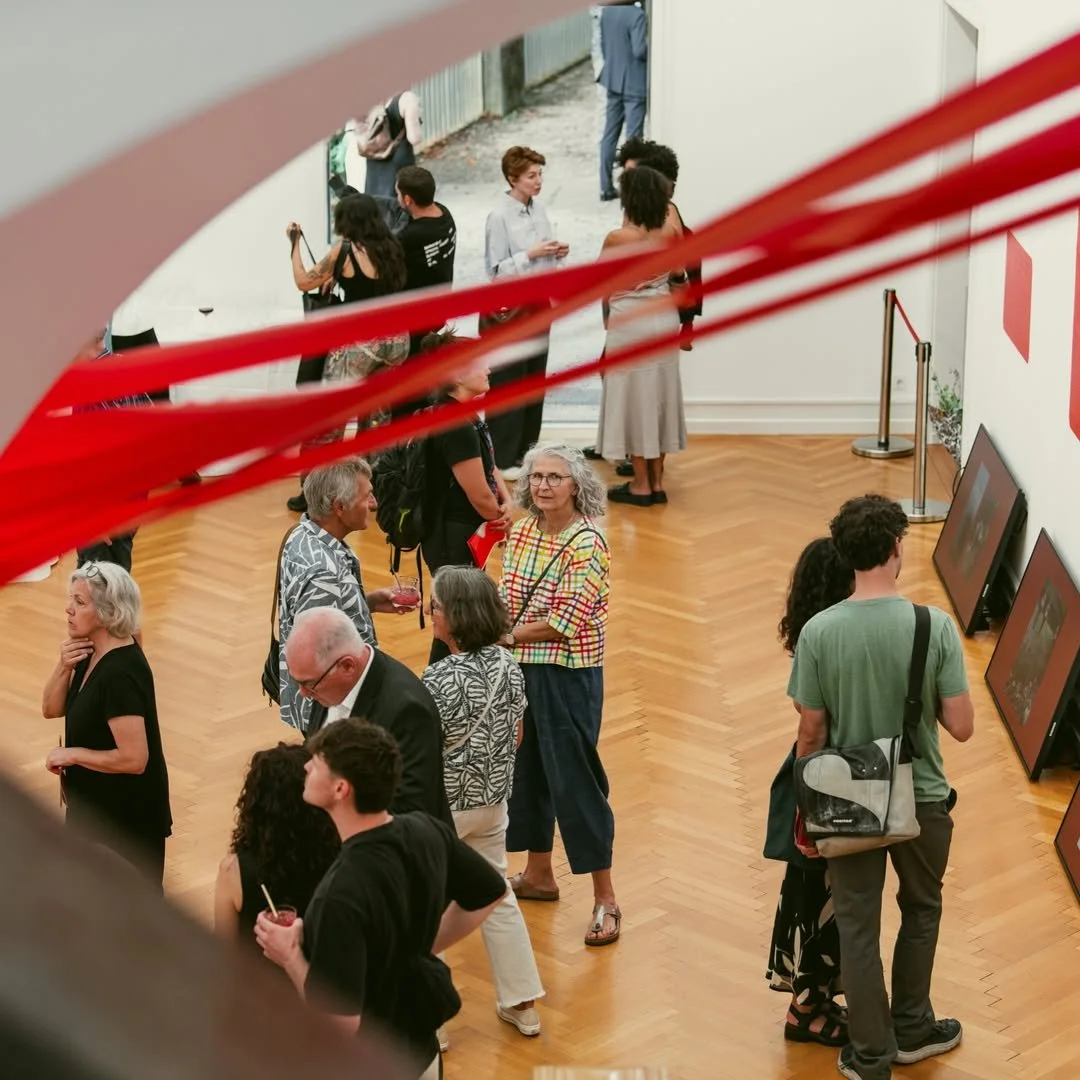
Rafal Skoczek: At the beginning those garages were studios for the artists who studied there, so for students. A friend of mine, Marc Inziker, started a student bar, a very reduced and very simple idea, a project called Pool Bar that opened every Thursday. When I arrived I started hanging out at Pool Bar, I got interested in DJing, I bought some equipment at the flea market, and we started throwing bigger and bigger parties, until they became quite big. Then the space next to us, Mikro, opened as well. Meanwhile the school moved out, and we lost access to the space. For about a year we simply opened the doors again and started using it, because it was vacant. We kind of squatted the place.
Then the city stepped in.
Rafal Skoczek: When the city started redistributing those areas, they set a percentage for culture and a percentage for economical projects. Part of it went to startup companies and co working spaces, and there was a bit of a clash with what was going on there. An entity called Autonome Schule Zurich, which provides German classes for migrants and cheap food and creates a community space for undocumented people and people waiting for their documents, squatted one part of it. So in this innenhof, this courtyard, you have all these different entities. You have Mikro, which makes parties and exhibitions, you have the Autonome Schule Zurich, and on different floors other entities that are culturally or politically involved.
Does the piece carry that story?
Rafal Skoczek: I think it does. I wanted to draw this red line that you have to cross, to impose yourself a bit, to influence the decisions on the development of this vacant object. So it is a tribute to Mikro, and also to my beginnings in the city, to organising parties, and to all these other entities coexisting in the same space. It is a good mix. It feels very genuine.
You are still there, from what I understand.
Rafal Skoczek: Yes, my studio is upstairs now, right on top. And in the studio I still run a little bar project, and I have my bookshop where I sell books, and I organise concerts there. So I stay in this kind of curating, and out of the curating come byproducts. Often they are shown as artworks or used in another way. I am talking about furniture, or posters that become paintings. It is a way of working. The things I do gradually evolve into artworks. A piece of furniture becomes a symbol for something else. And I have adopted a minimalist language, or brutalism, very modernist I would say. It is just a concrete slab.
Art and music have run in parallel for you from the start. Where is that leading now?
Rafal Skoczek: What I realised recently is that I am interested in architecture. Architecture and design, design as applied art. I would say music and art, and above all the spaces where music and art happen. You need infrastructure. You need a stage, a place for people to sit, lighting, and you need to counteract the acoustic mess that happens, with panels or something, to create an environment that makes the experience of a concert enjoyable. There is also the acoustic space itself, because each place resonates differently.
You run a label as well.
Rafal Skoczek: I organise a lot of concerts, and I run a music label in Zurich which has produced works closely correlated to acoustics and architecture. It is called Czarnogora. It has existed for six years now. We publish records, digital tapes and also some books, small publications. I think we have around twenty titles. You have to come and check it out.
And what comes next for you?
Rafal Skoczek: Next week I go to New York and I will stay for three months. I have an exhibition at Swiss Institute, and I will do exactly what I was talking about. It happens outside the institution, because they are changing spaces, so it is off site, in a tower in the financial district. Maybe that is why they invited me now, because I can easily fill up any space. I feel comfortable using any unused space. I will run a program there, an alternative program to the Swiss Institute, in parallel with the one they keep running. I will provide a basic infrastructure for screenings, for concerts, for meetings, reading groups. I am working on the program right now. It is my biggest project at the moment.
Rafal Skoczek
Art space: @Art Hub Copenhagen @room_room_ahc
Curators: @Tofu.collective @wartinmendelbo @regen.li
Producer: @mimebraad
Photography: Brian Kure @briankurefoto
Guest artist: @chenghsienyu
Performers: @dj.woo.girl, @carlaviolalala, @ditte_kroyer, @klaralopezz,@lee_praecis and @motherbikini
Words by Donald Gjoka
What to read next