Cao Fei: ‘Dash’ at Fondazione Prada
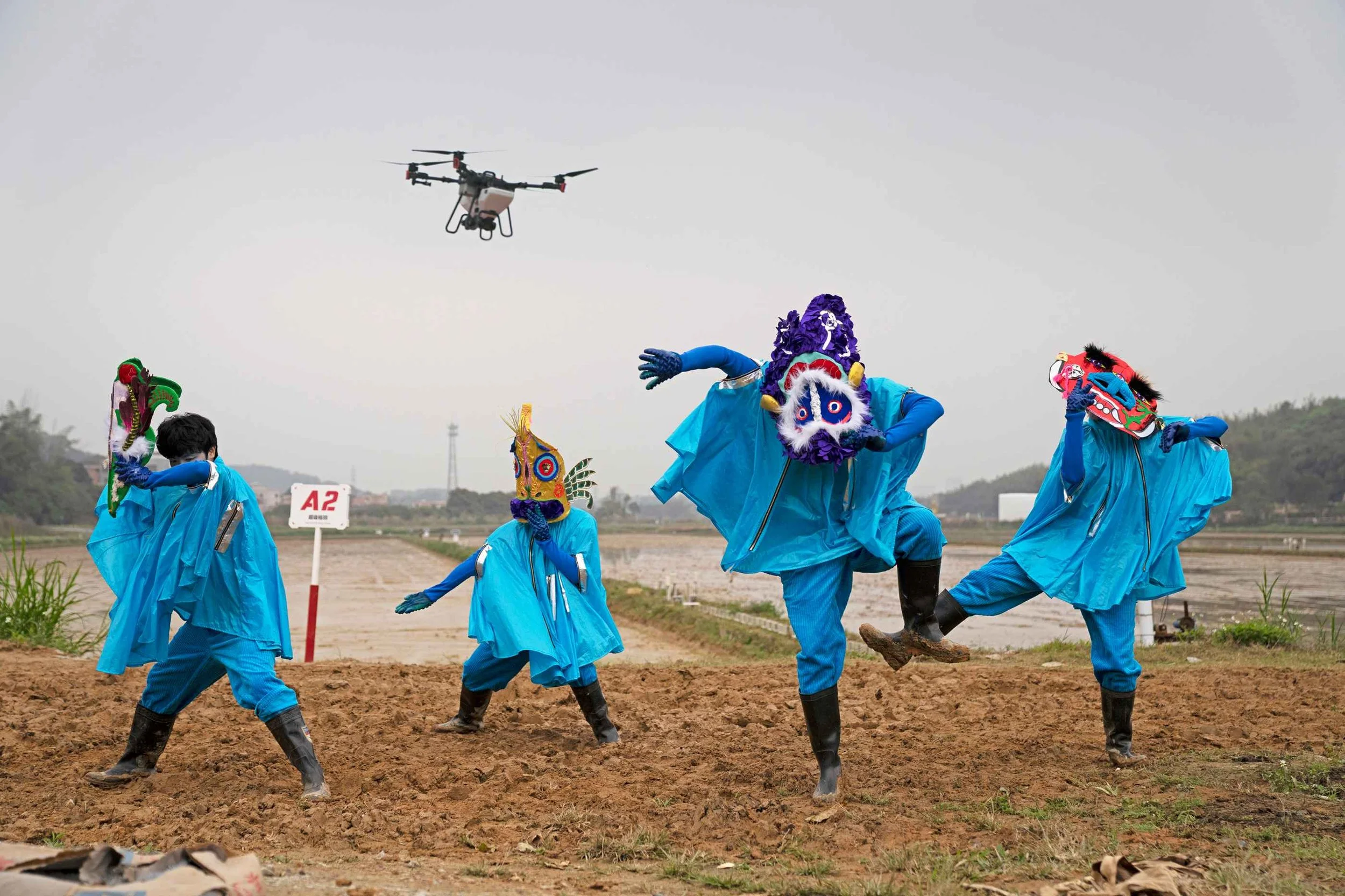
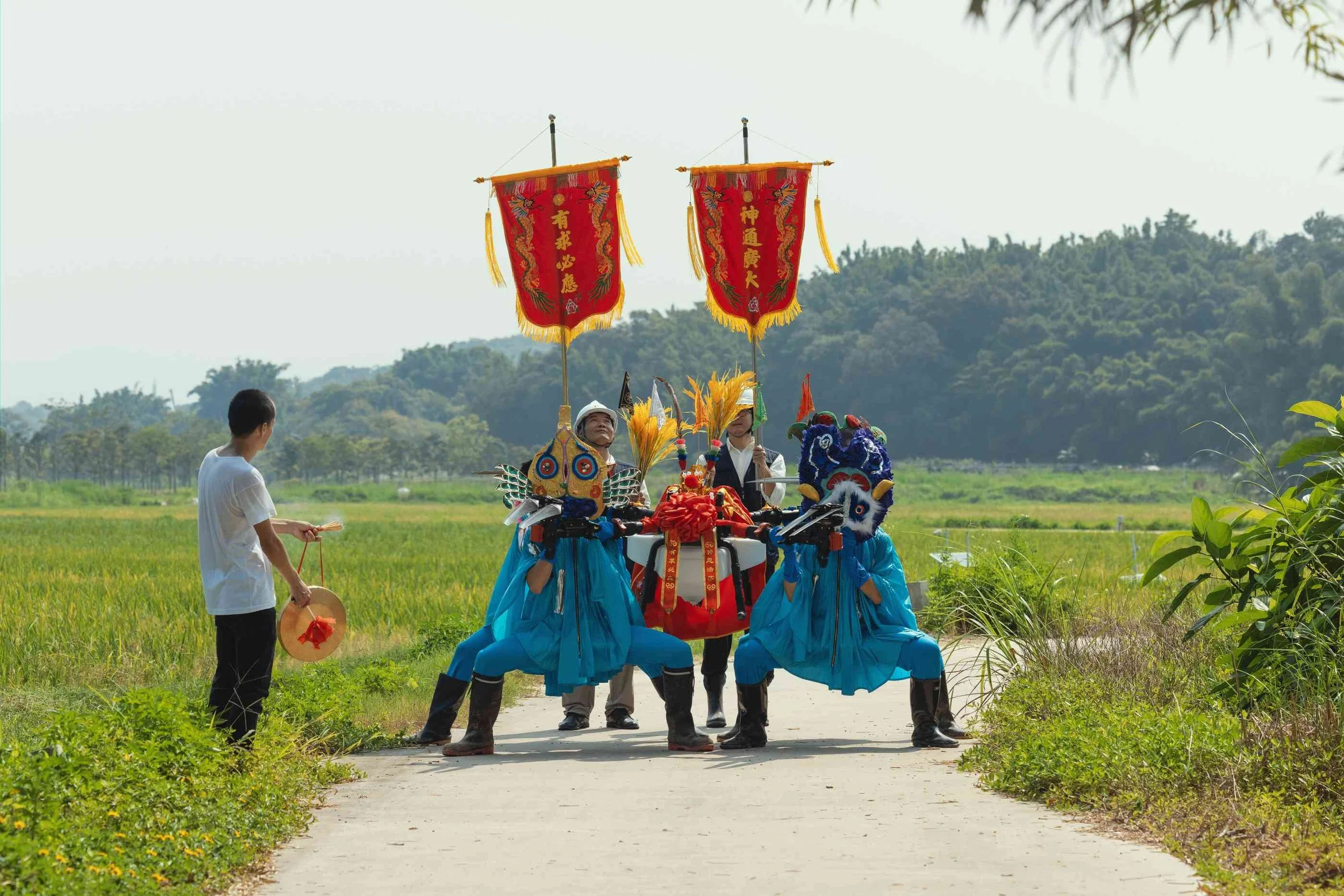
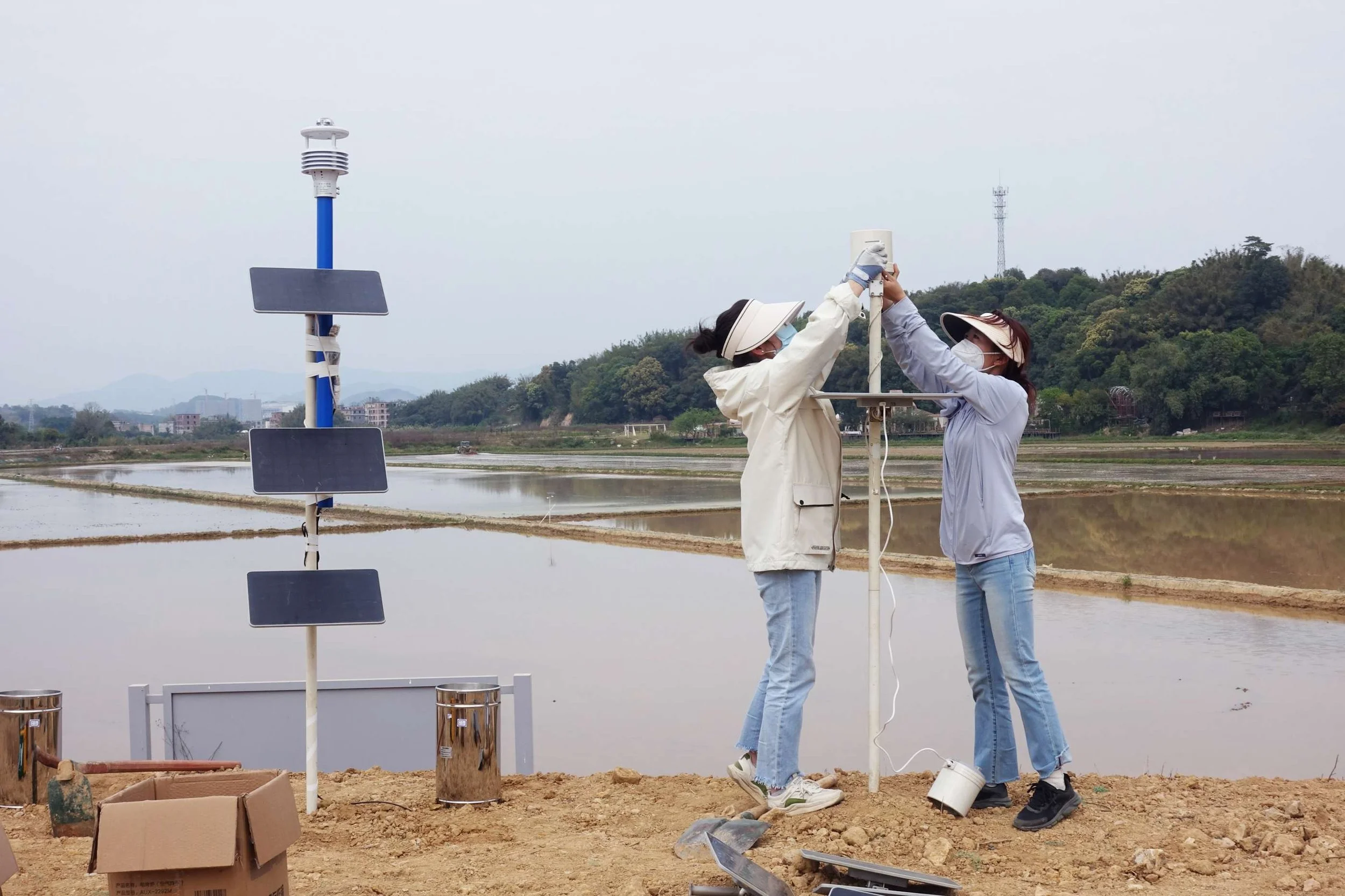
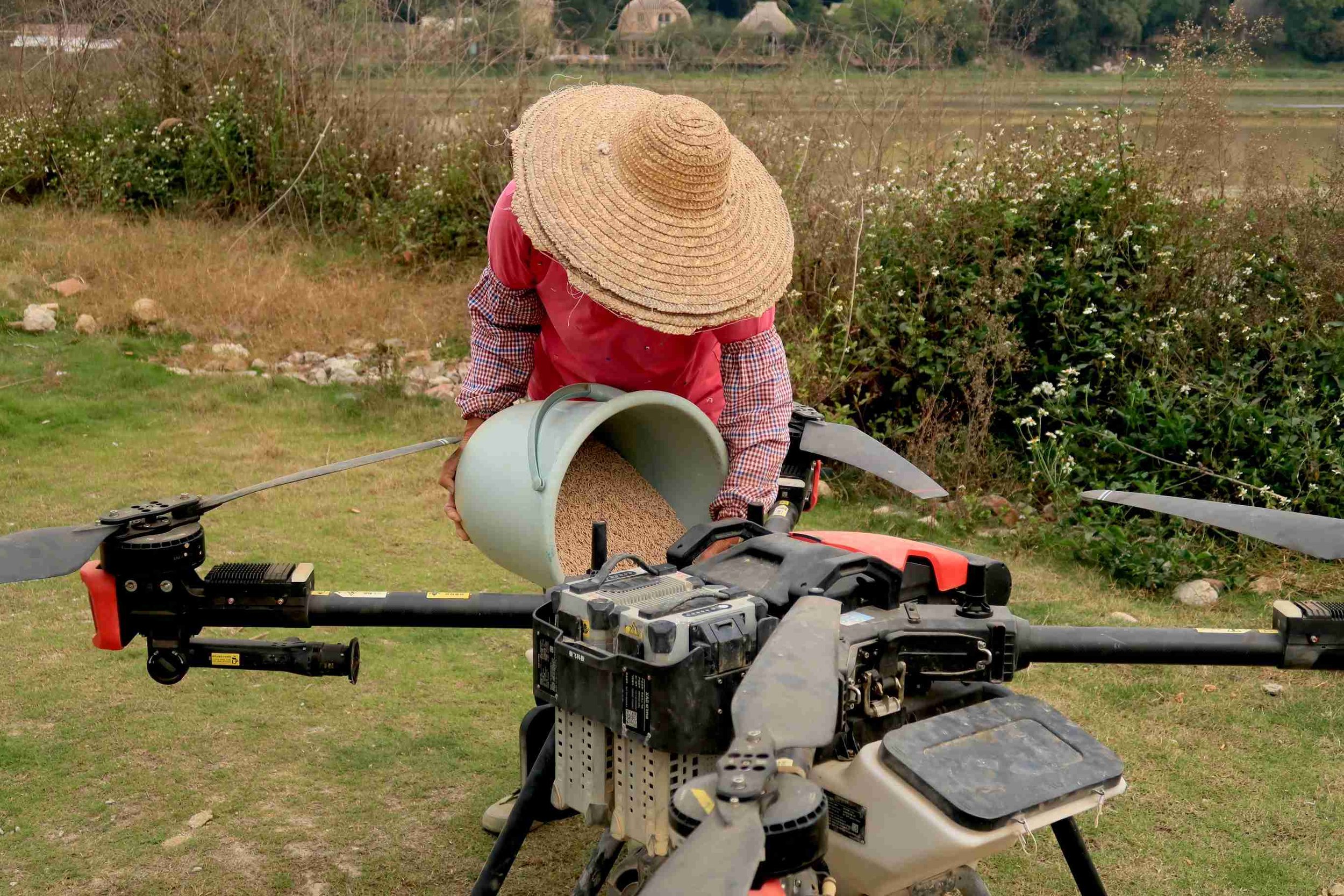
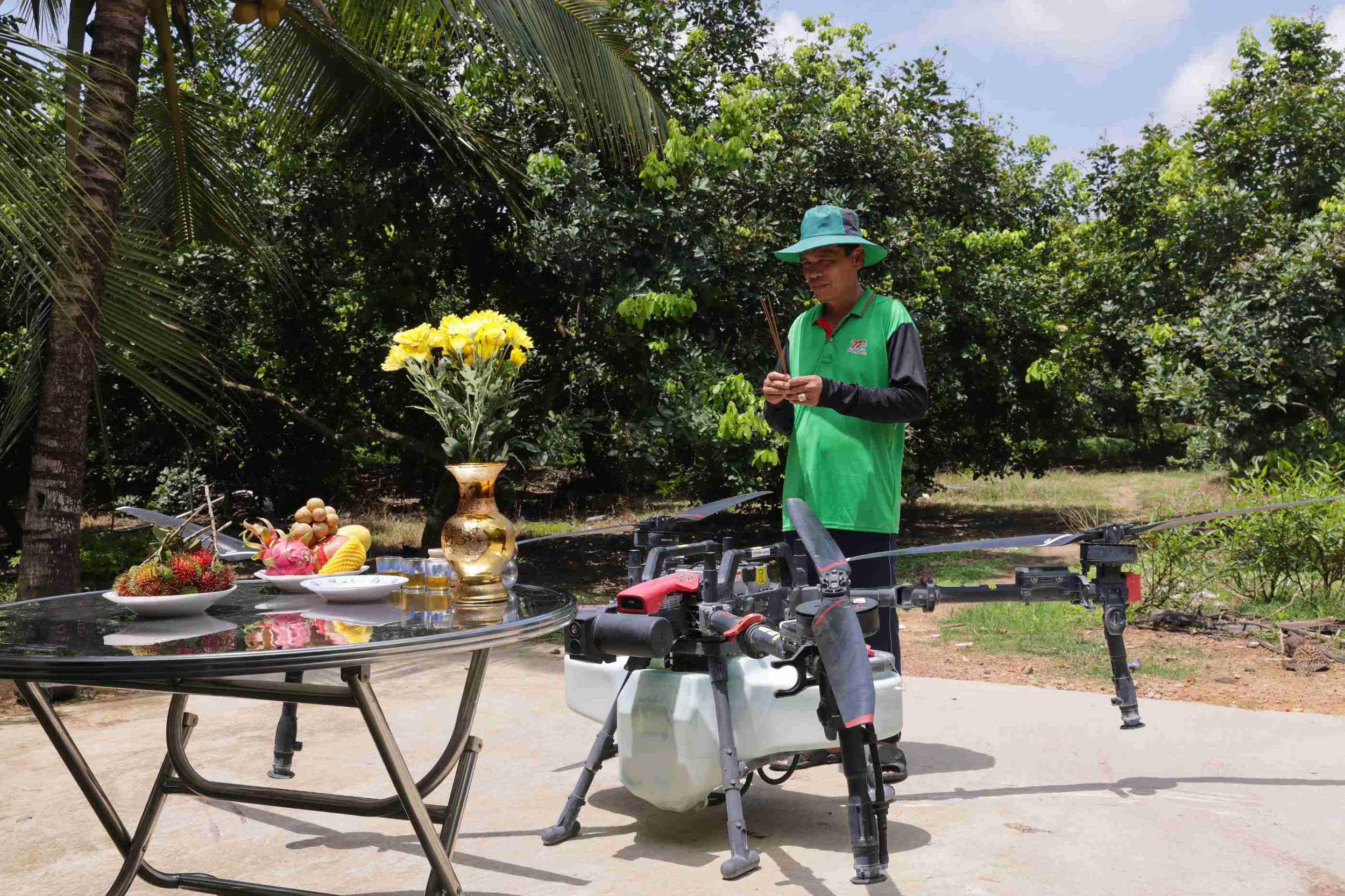
Cao Fei has been standing in those fields for three years. "Dash," her new multimedia project at Fondazione Prada in Milan (9 April – 28 September 2026), is the result of that time spent watching: in the rice paddies of southern China, in the desert edge-stabilization zones of the northwest, in the banana plantations of Southeast Asia where farmers burn incense for their drones and offer them the same reverence once reserved for rain deities. Cao Fei did not flinch at that image. She built an entire installation around it.
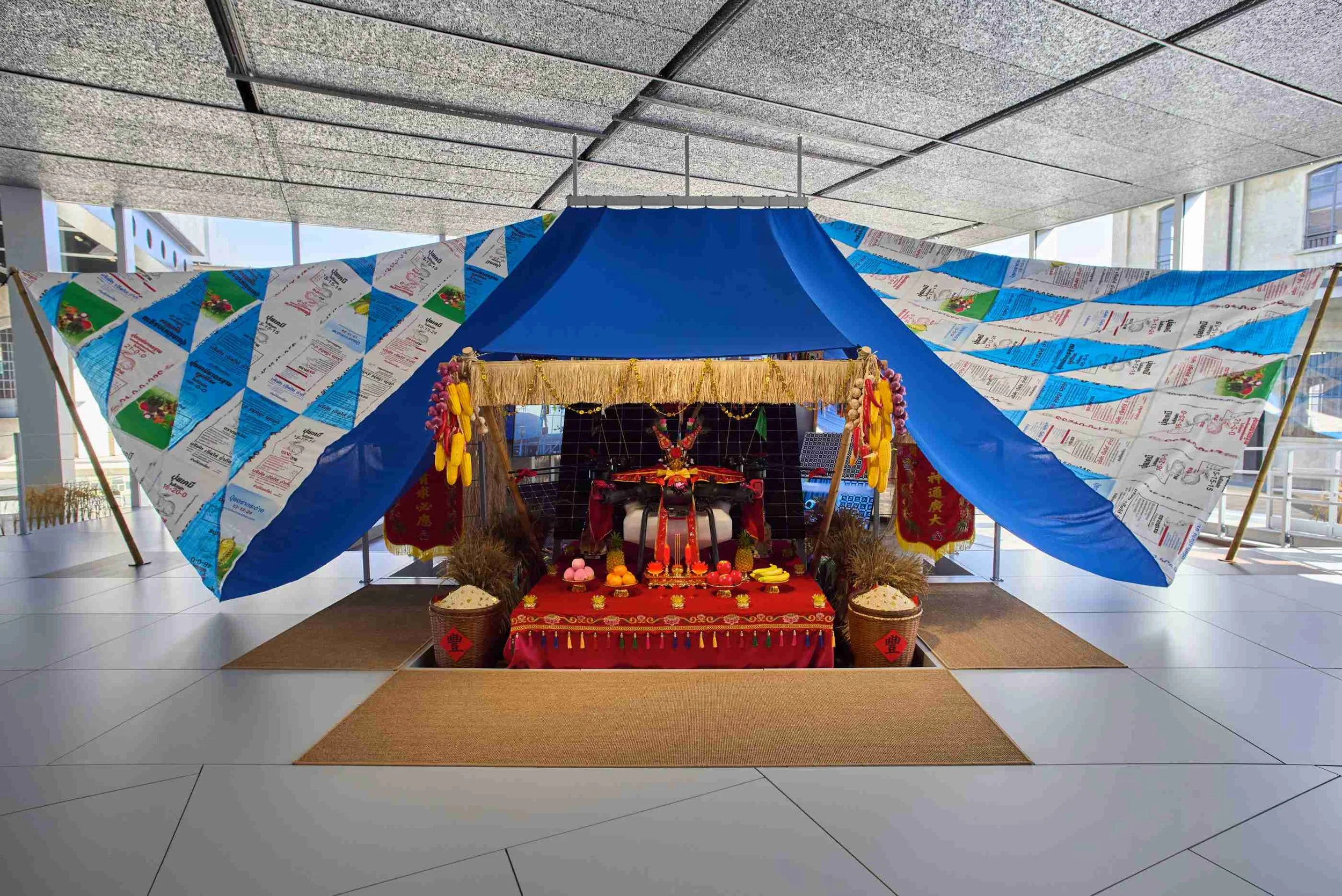
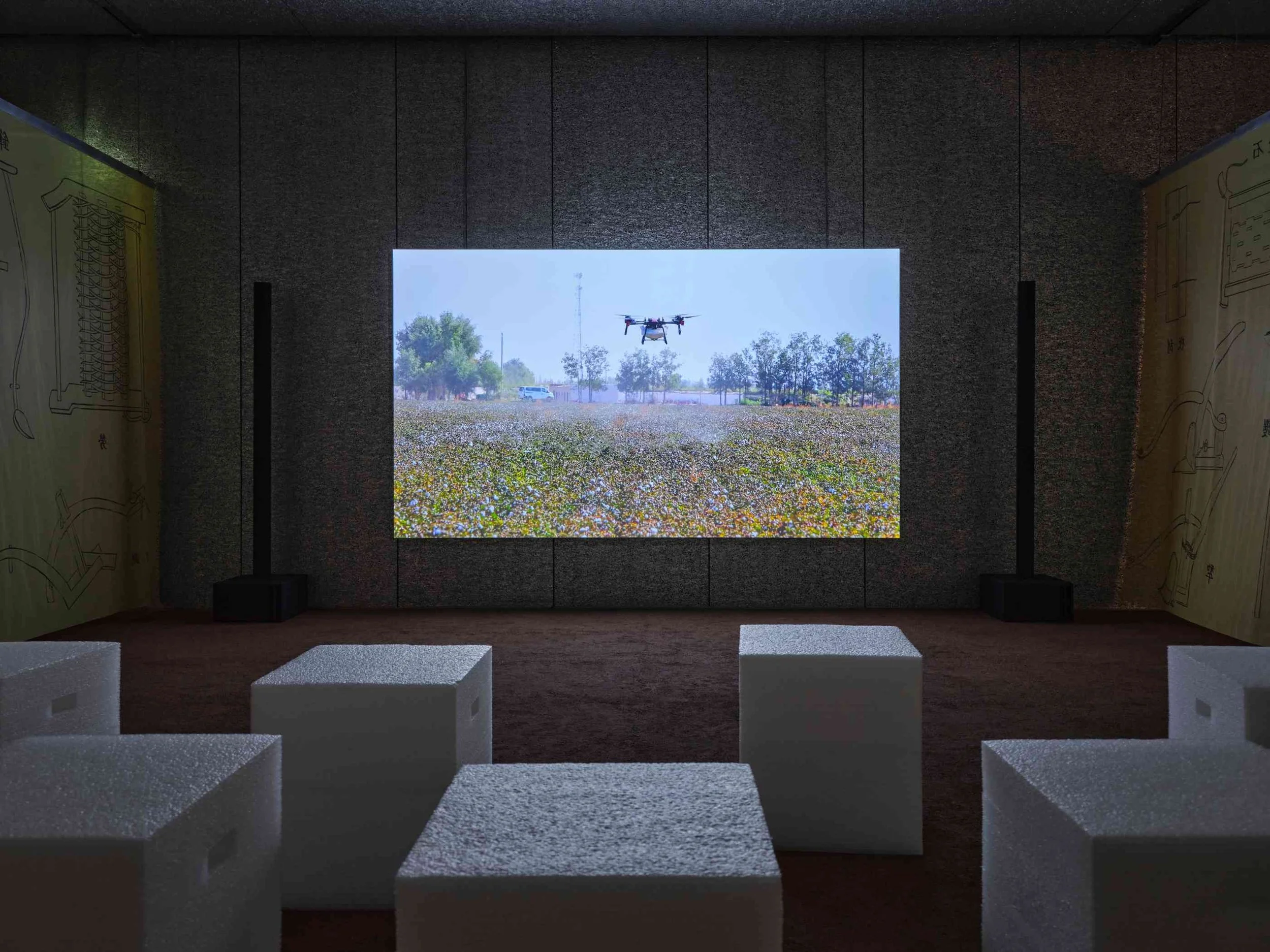
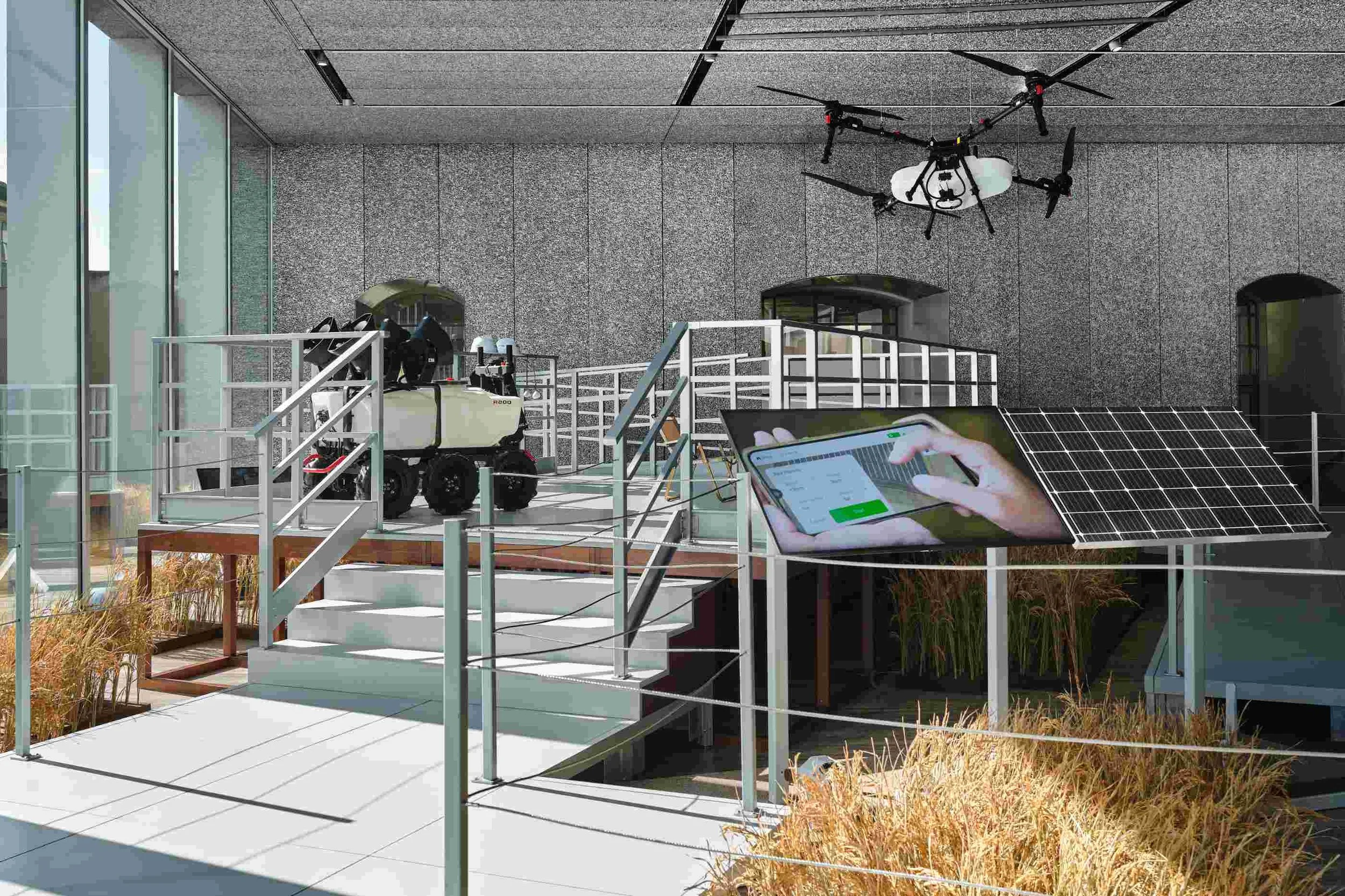
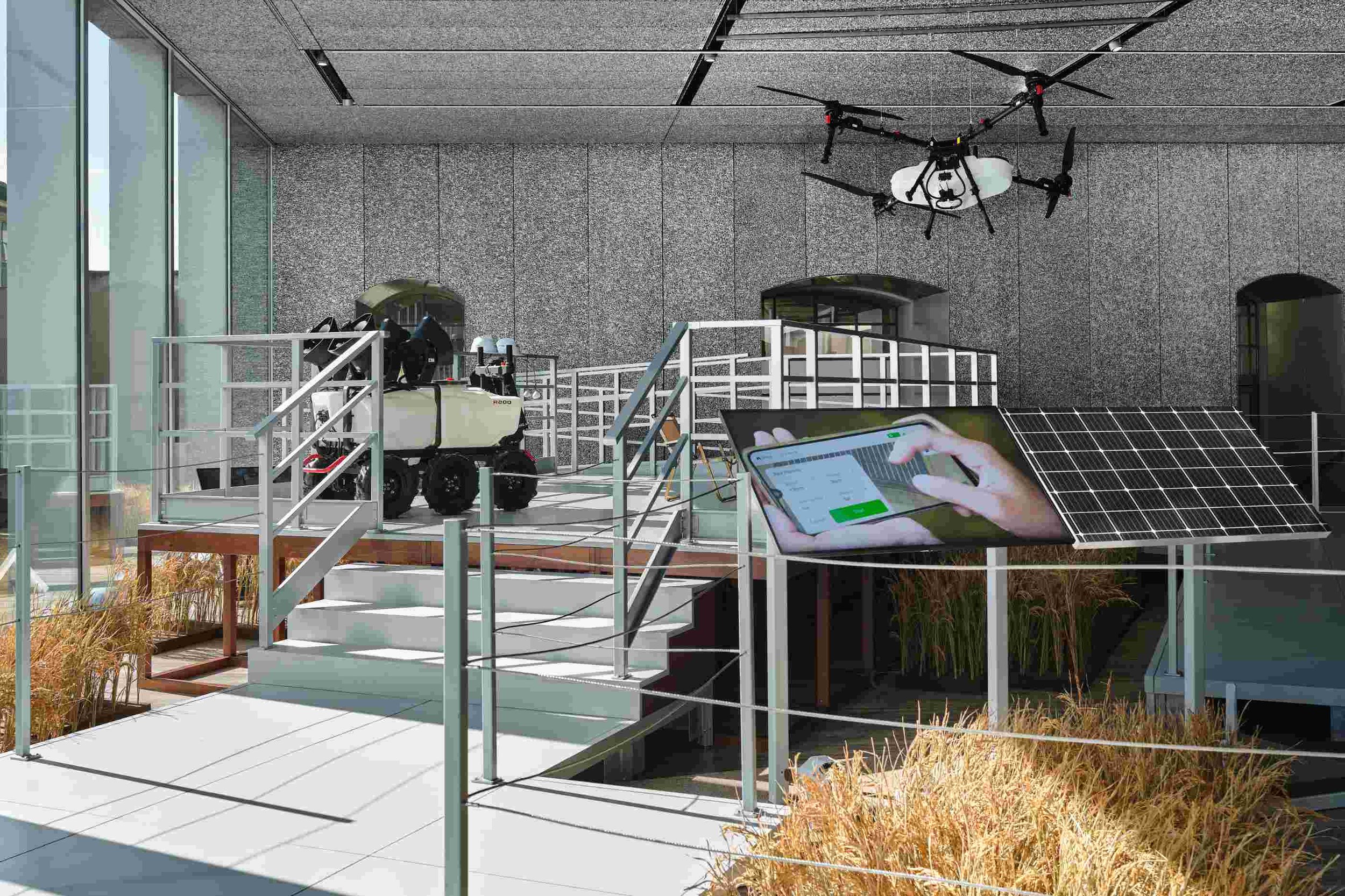
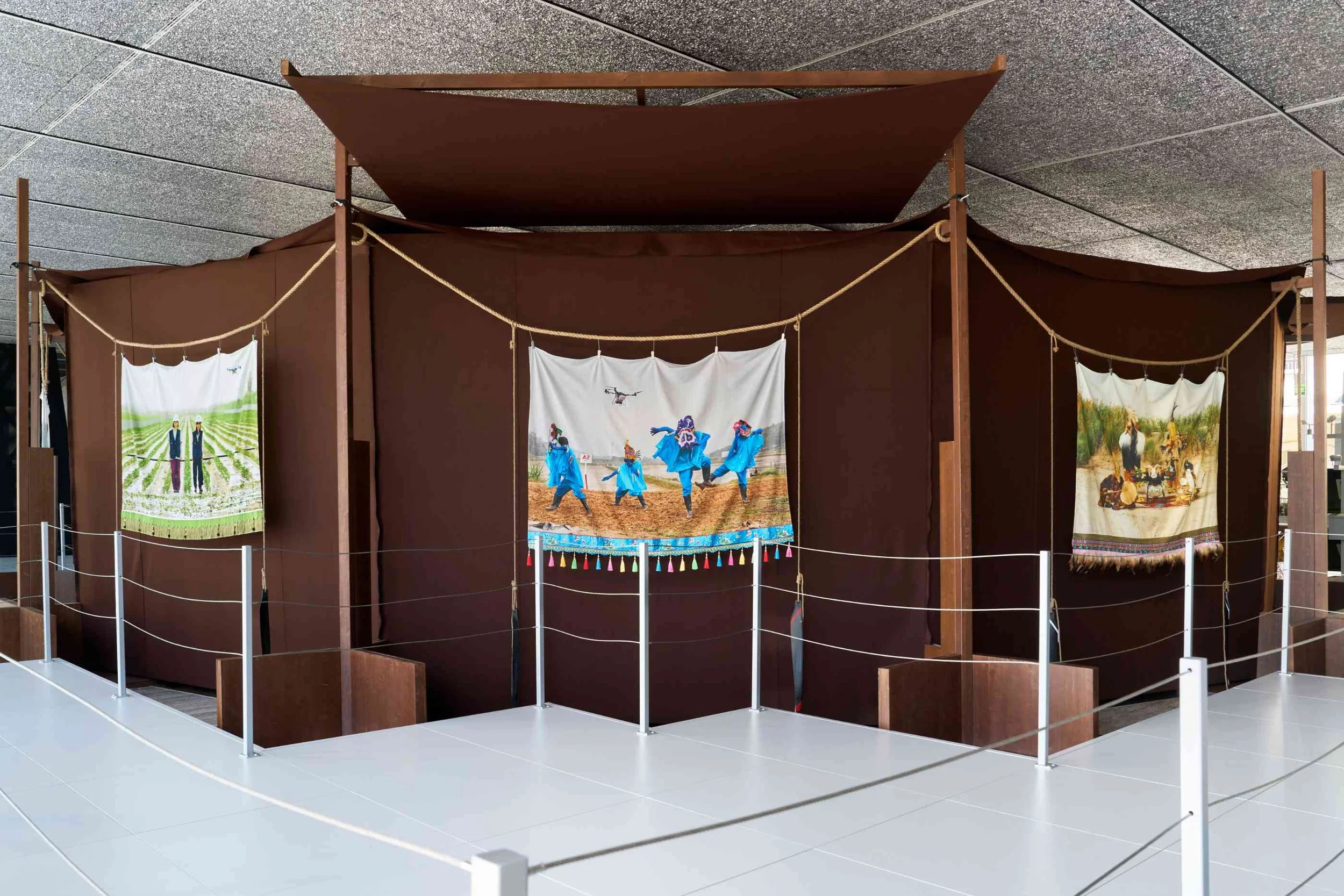
The show occupies the Podium, Fondazione Prada's central exhibition building designed by OMA, across two floors. On the ground floor, she has constructed a full-scale rural environment: a rice granary tent that functions as a cinema, a temple woven from fertilizer sacks, a working farmer's station, a banana plantation surrounded by solar panels and smart agricultural machinery. The line between set design and anthropology here is deliberately thin. You are not meant to look at these things from a distance. You are meant to feel slightly uncertain about whether you have walked into an artwork or a village.
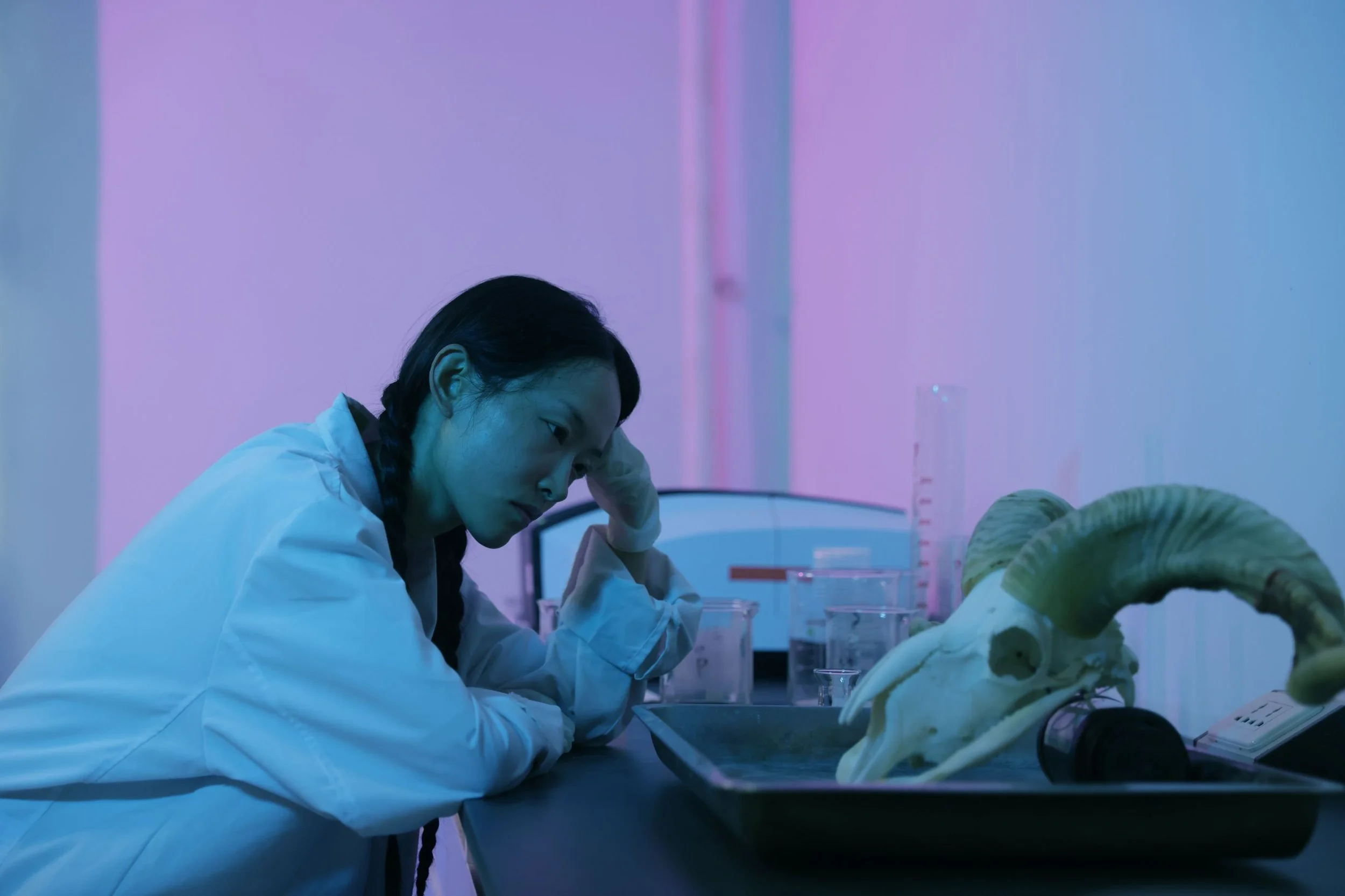
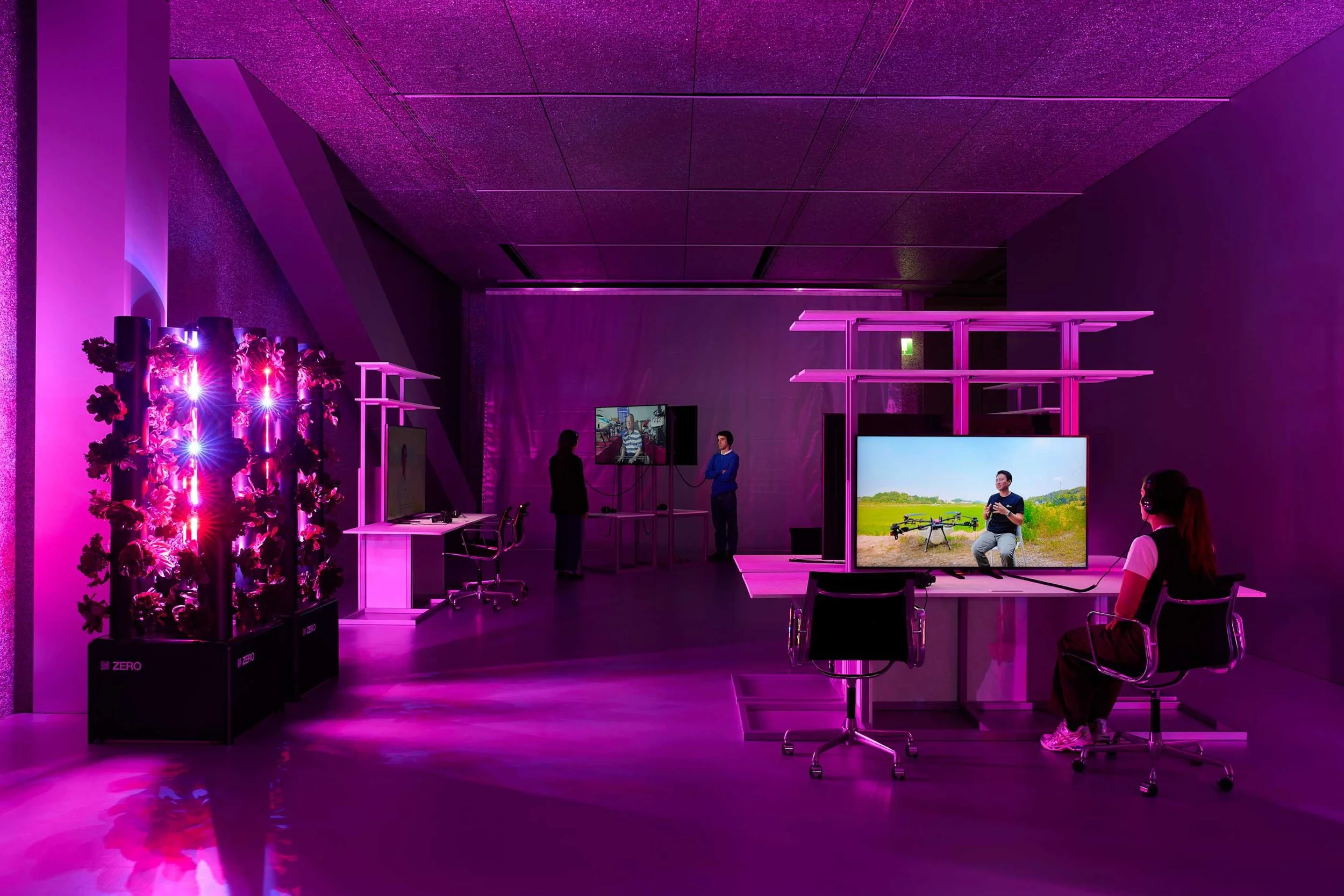
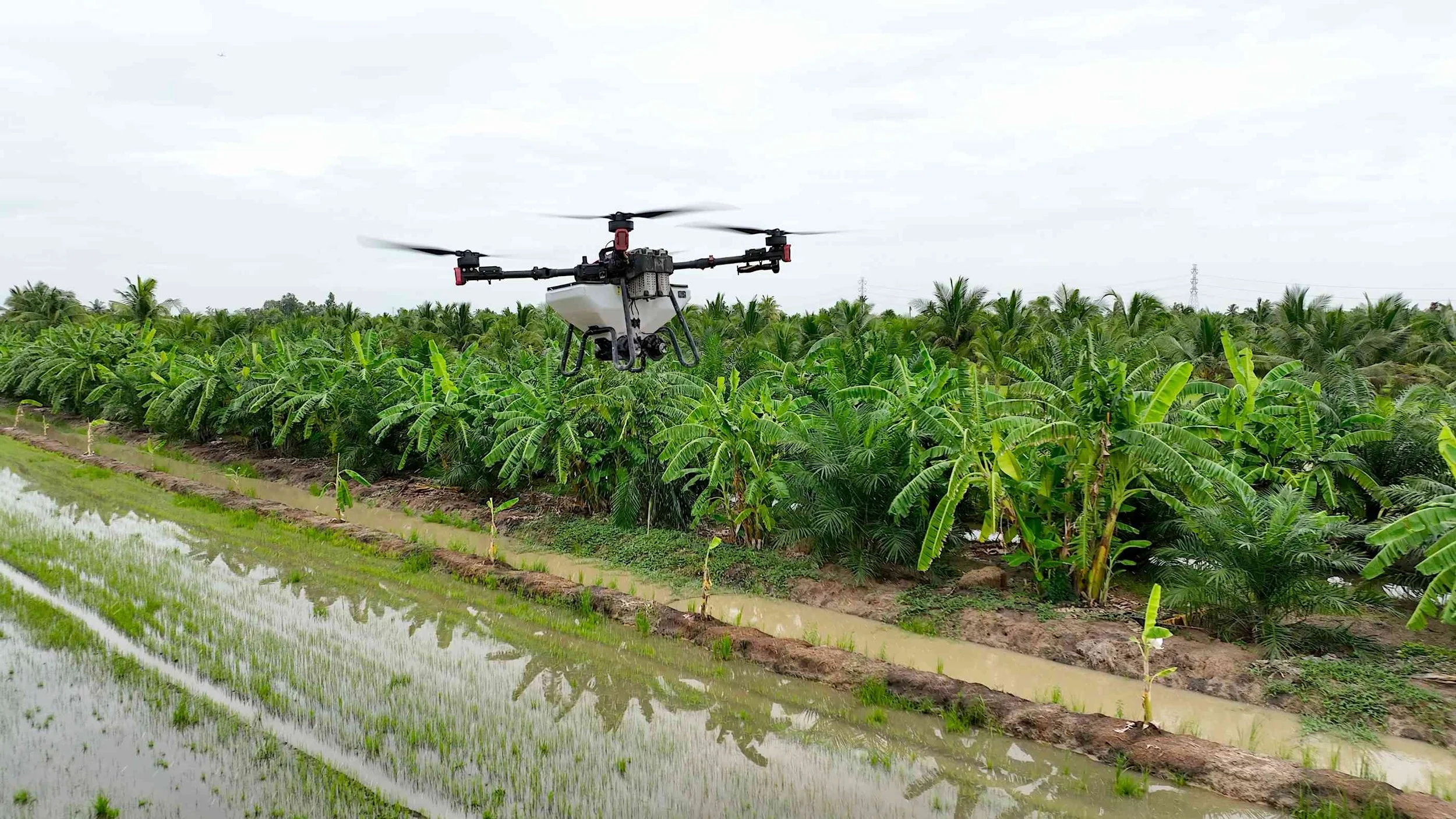
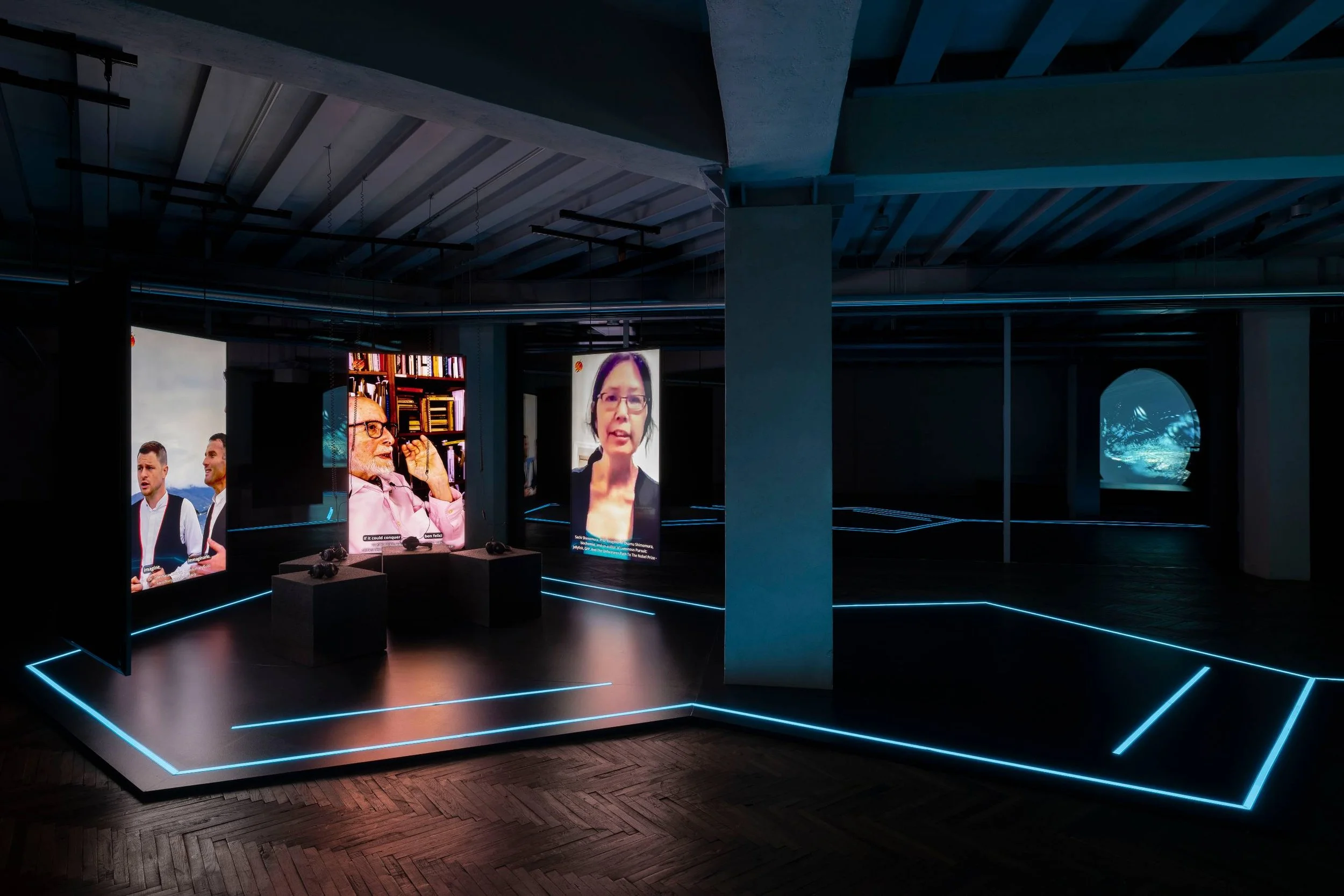
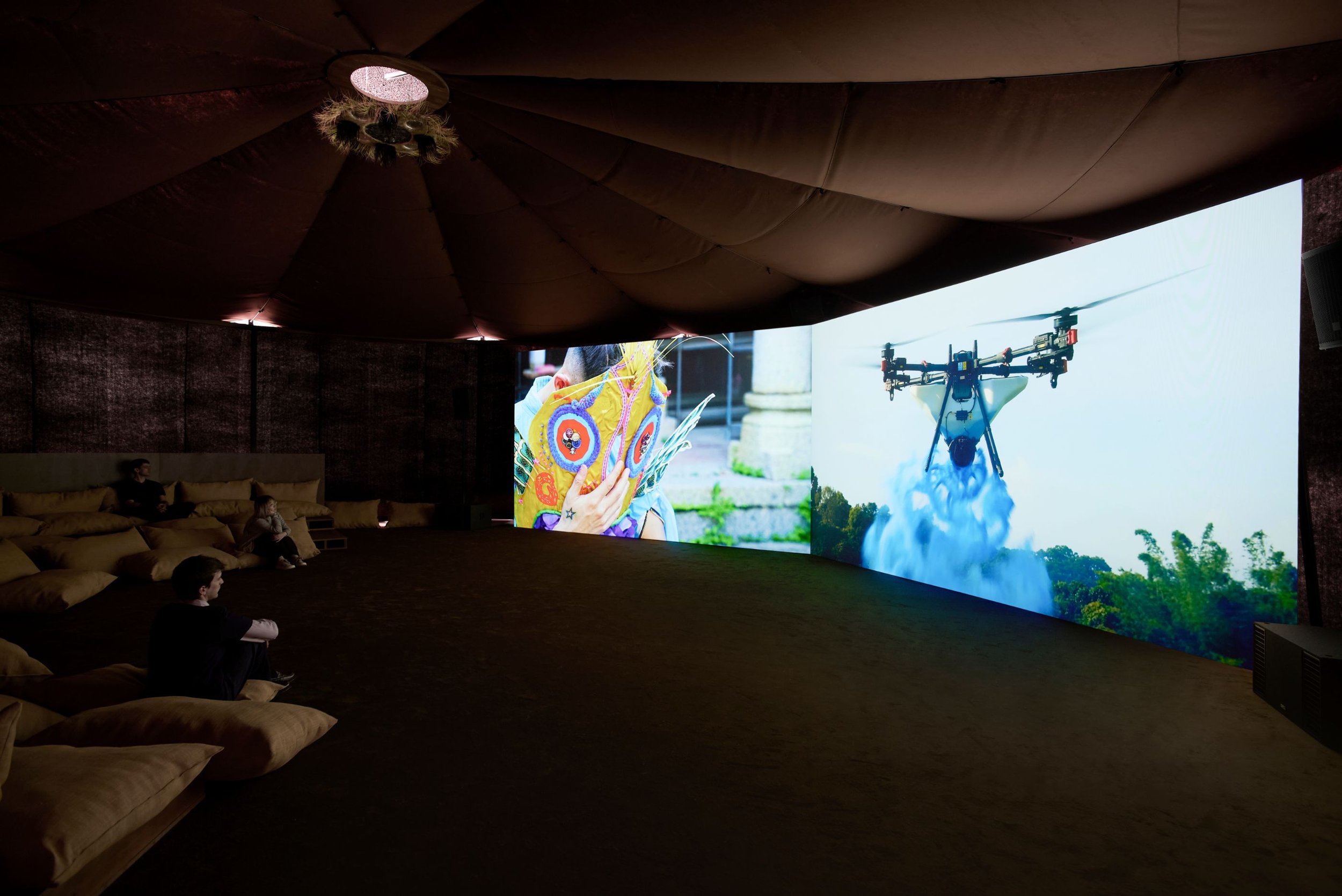
The centrepiece video work, also called Dash, runs for nearly 47 minutes across two screens inside the granary auditorium. It follows the full agricultural cycle, from sowing to harvest, as the fields become precision laboratories. Drones move through the frame with a strange grace, their flight paths intersecting with those of the technicians who program them, the workers who watch them, and the communities who have begun, in certain regions, to treat them as sacred. The film does not editorialise. It observes, with the patience of someone who understands that the most important questions do not need underlining.
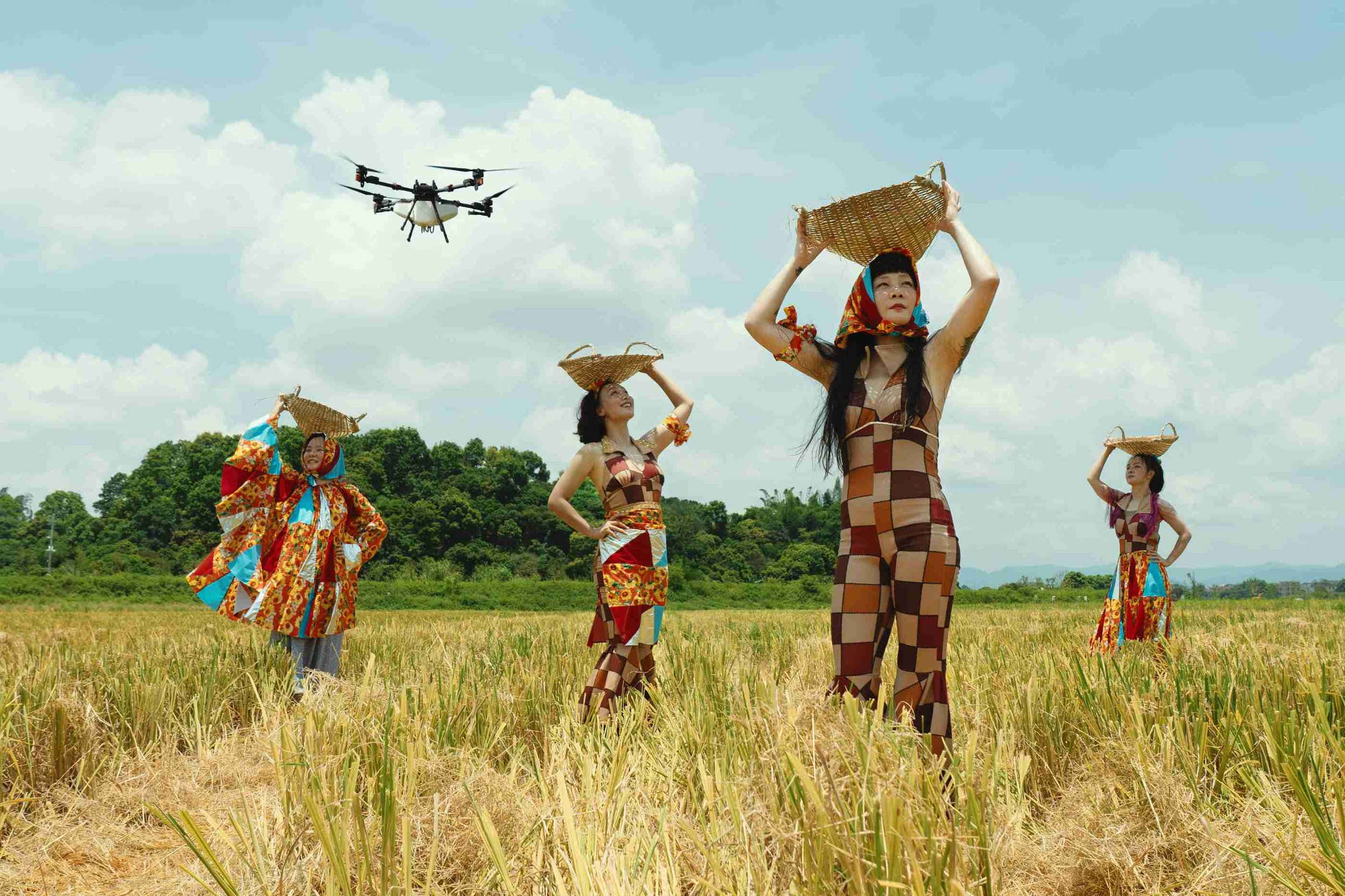
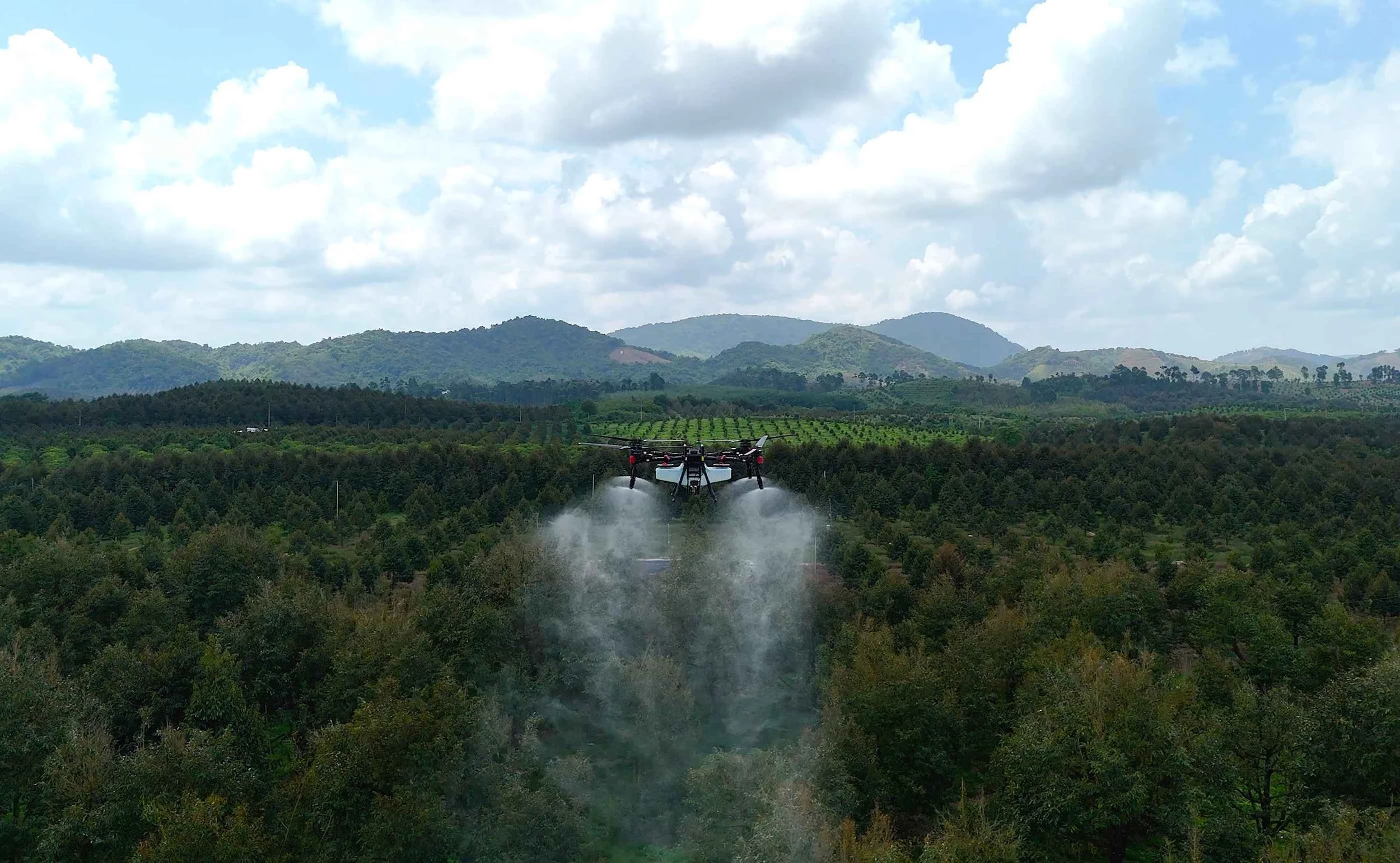
The centrepiece video work, also called Dash, runs for nearly 47 minutes across two screens inside the granary auditorium. It follows the full agricultural cycle, from sowing to harvest, as the fields become precision laboratories. Drones move through the frame with a strange grace, their flight paths intersecting with those of the technicians who program them, the workers who watch them, and the communities who have begun, in certain regions, to treat them as sacred. The film does not editorialise. It observes, with the patience of someone who understands that the most important questions do not need underlining.
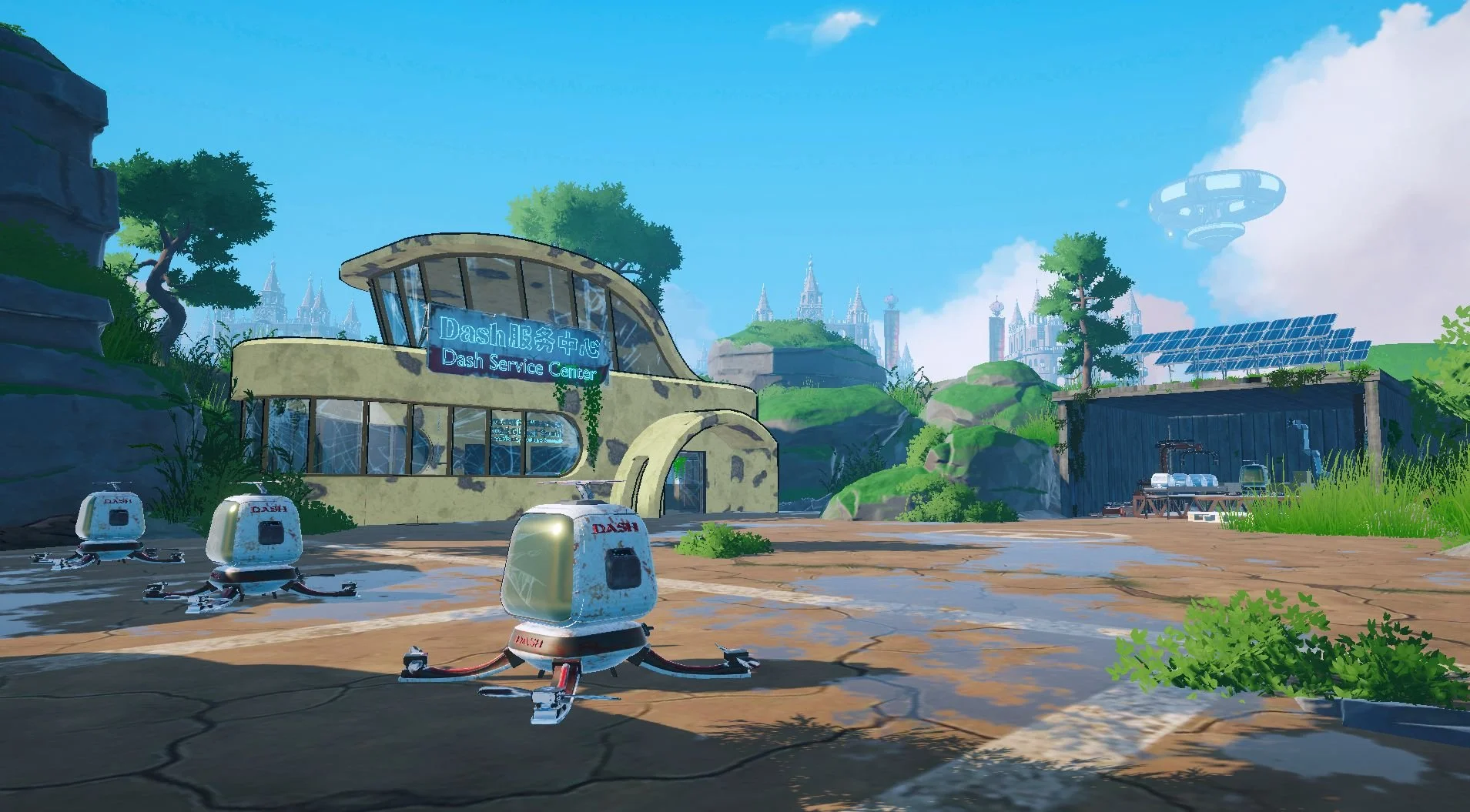
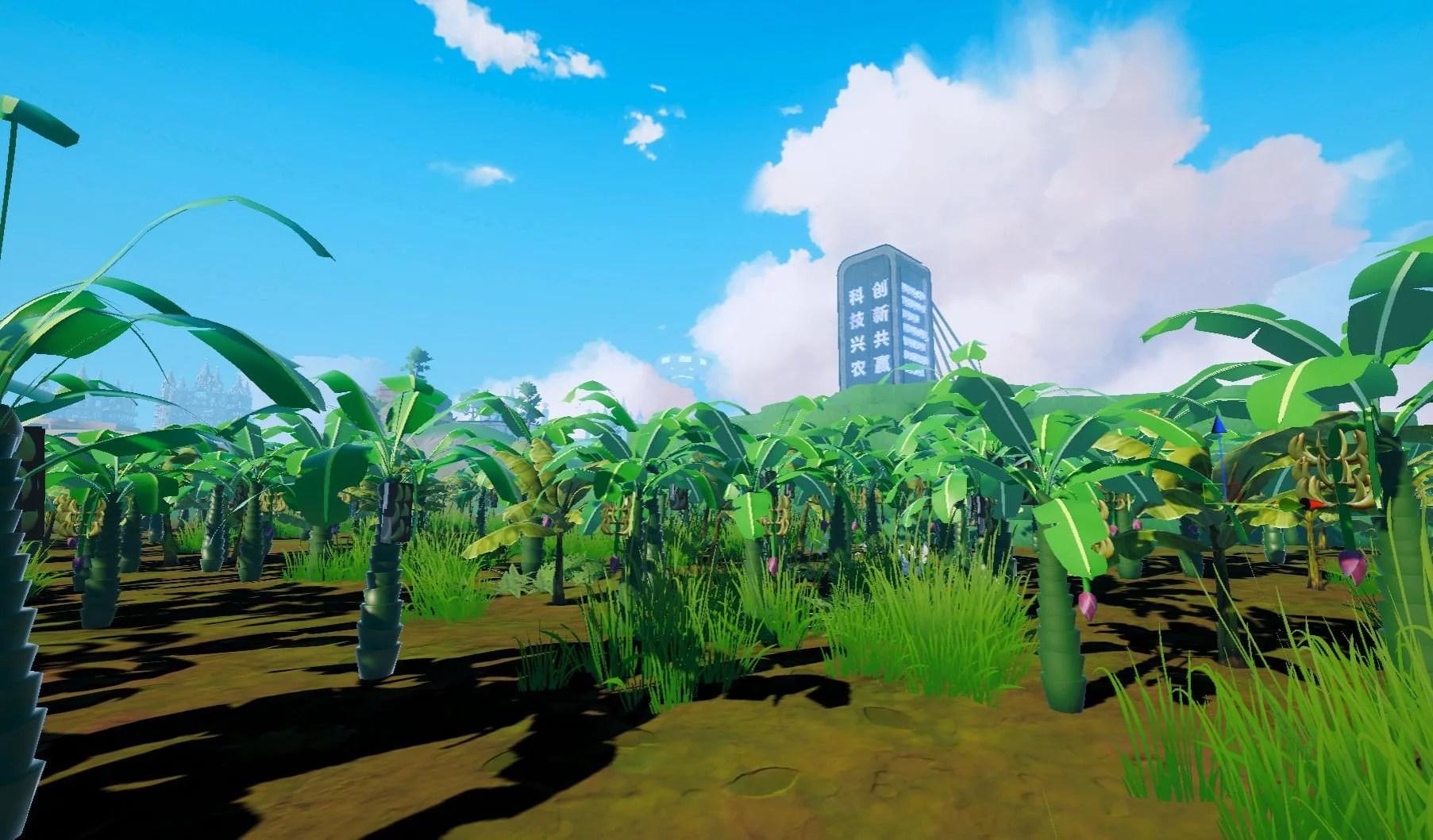
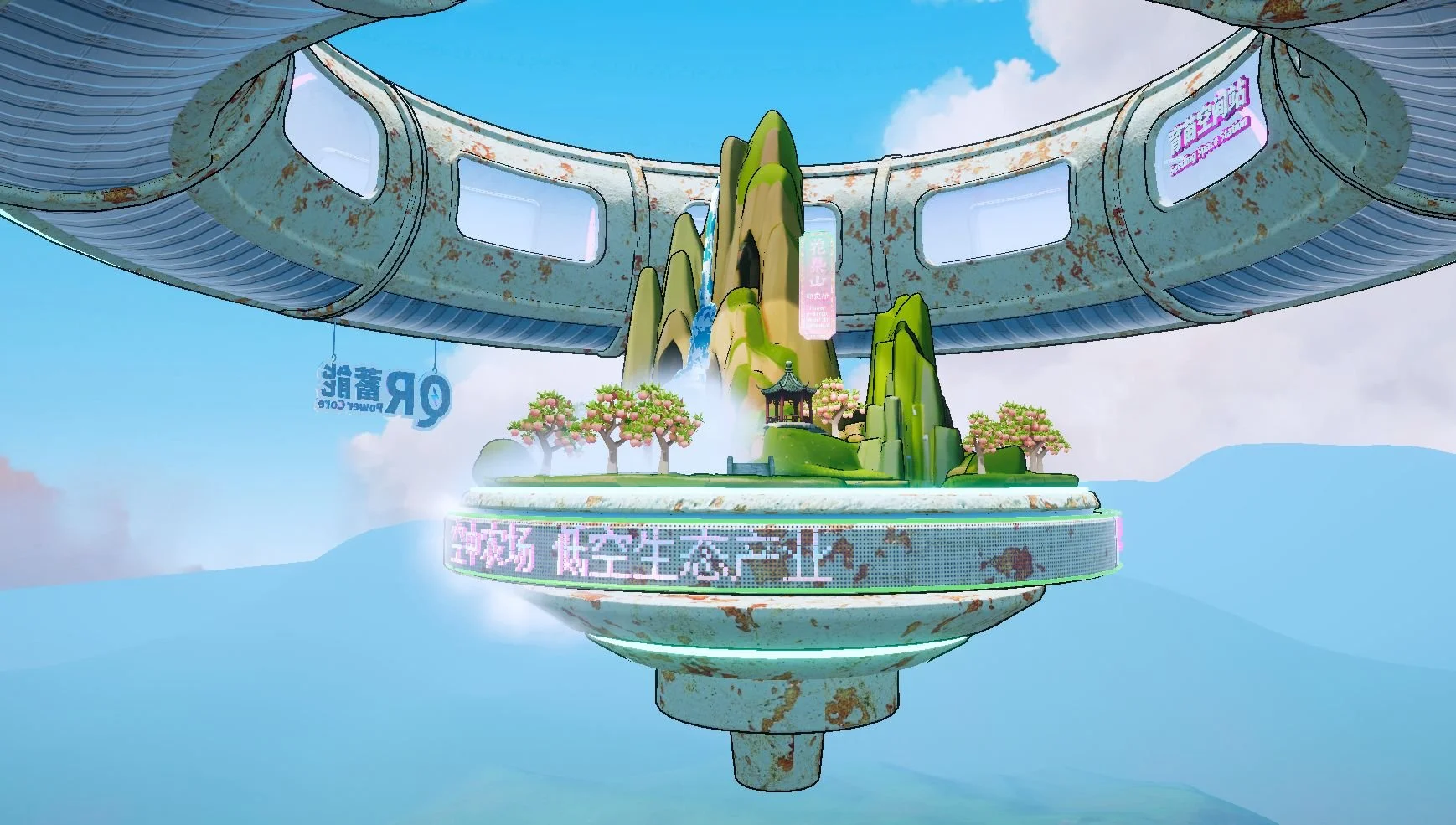
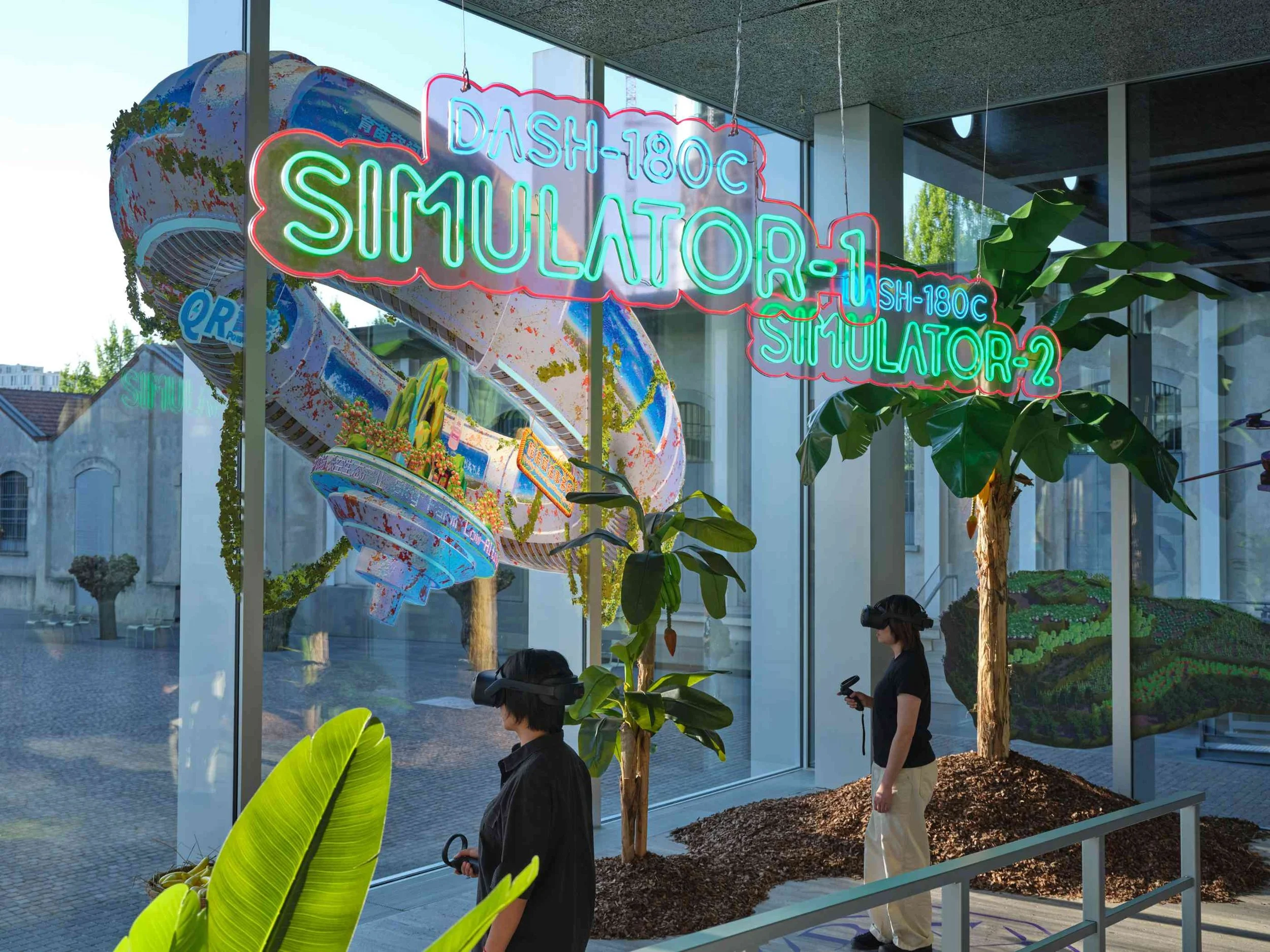
Dash-180c, the VR installation surrounded by artificial banana trees, takes this logic into the future. You adopt the perspective of a discarded drone, model 180c, reactivated by a young monkey in an abandoned service station. From there, you travel through a landscape that has been completely reorganised by technological revolution: robot-tended terraced fields, floating greenhouses, artificial clouds, temples half-buried in vegetation. It is science fiction that feels forensic rather than fantastical, less about what might happen and more about what is already, quietly, underway.
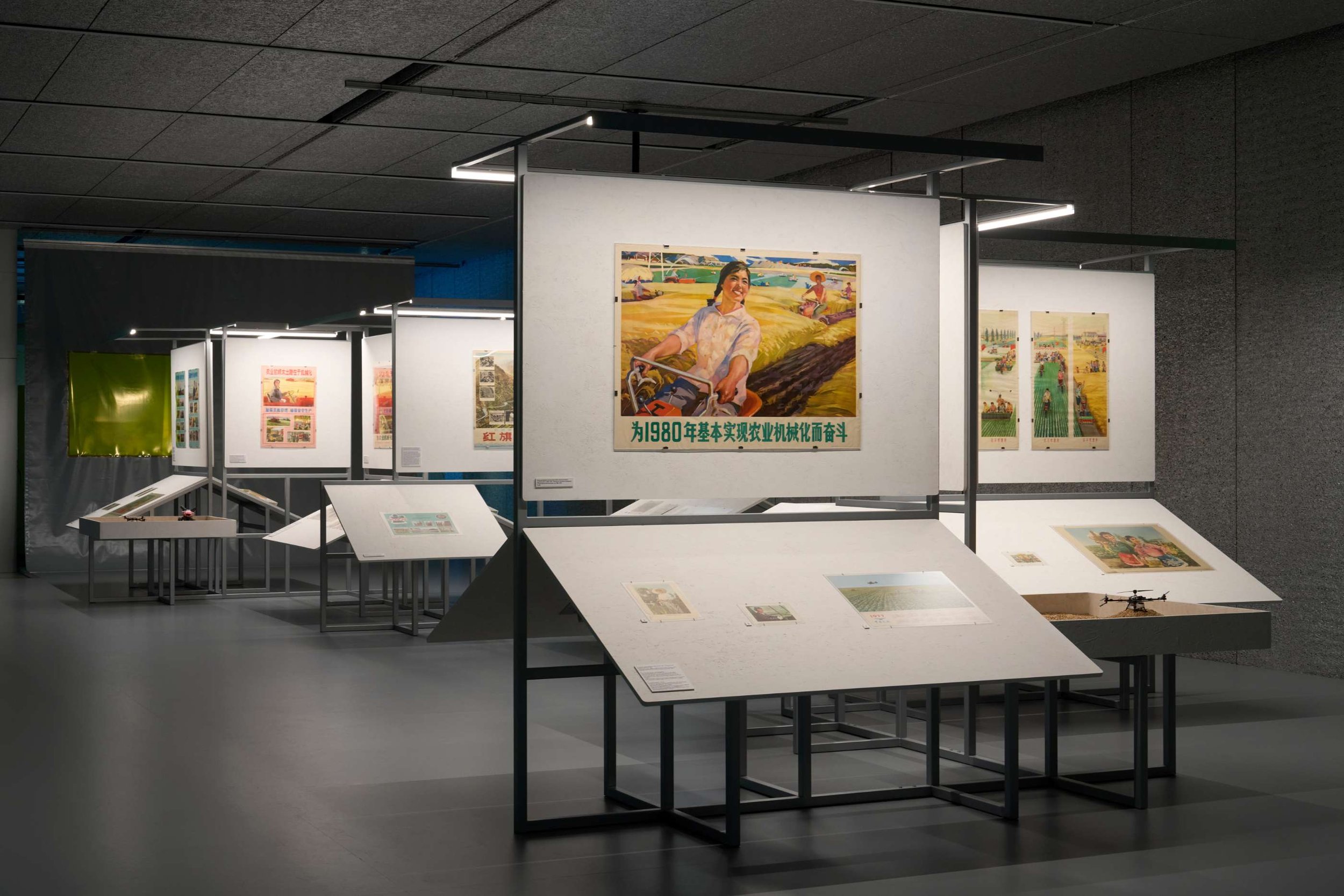
The first floor shifts the temperature. Here, Cao Fei lays out her research: documentaries, archive photographs, propaganda posters from the founding years of the People's Republic, scientific and educational slides from the Reform and Opening-up era of 1978 onwards. These materials are not decoration. They form an argument about continuity, about the fact that China's current investment in agricultural technology is not a rupture from its history but an extension of it, another chapter in the same long project of making the land produce.
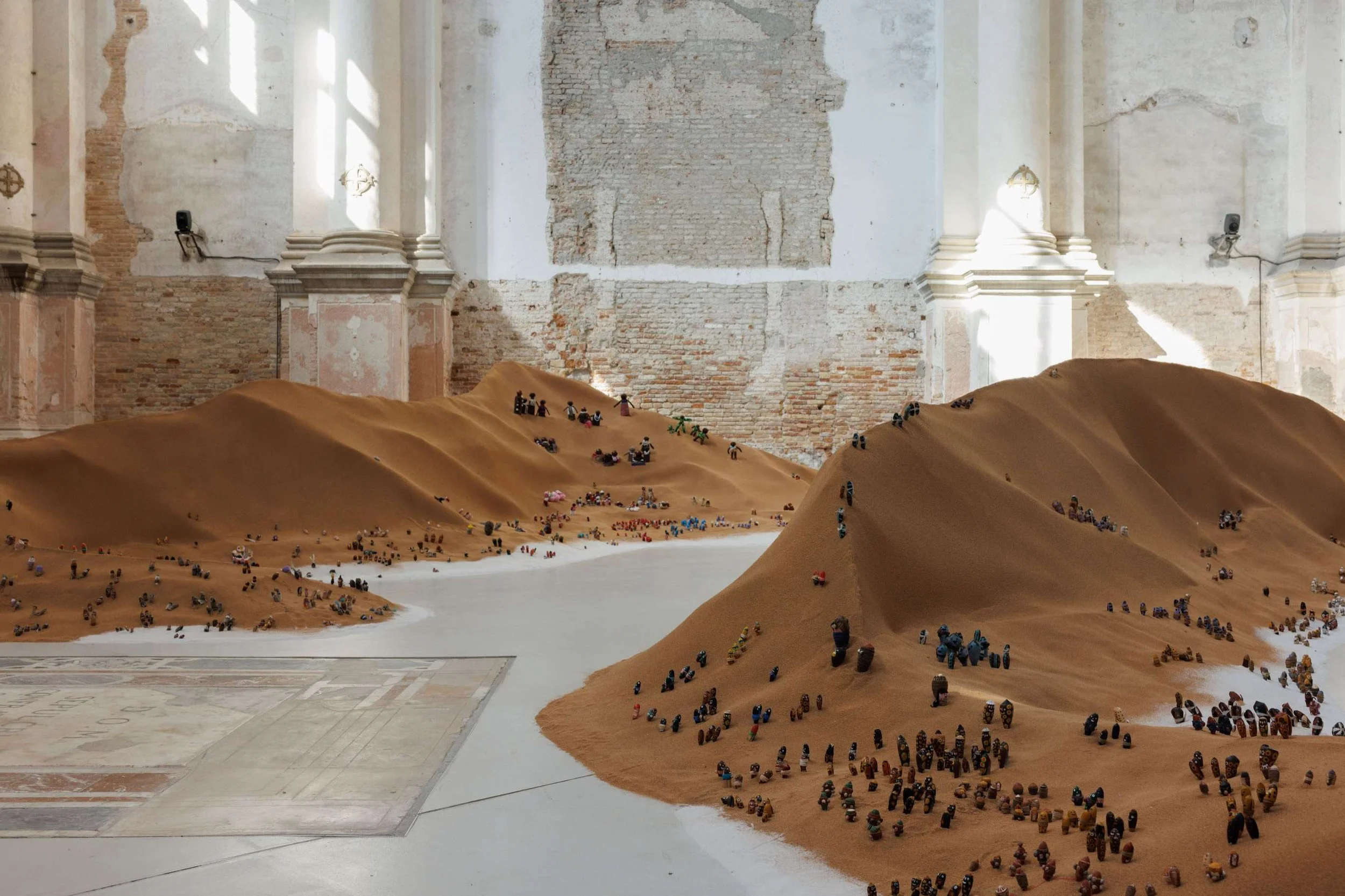
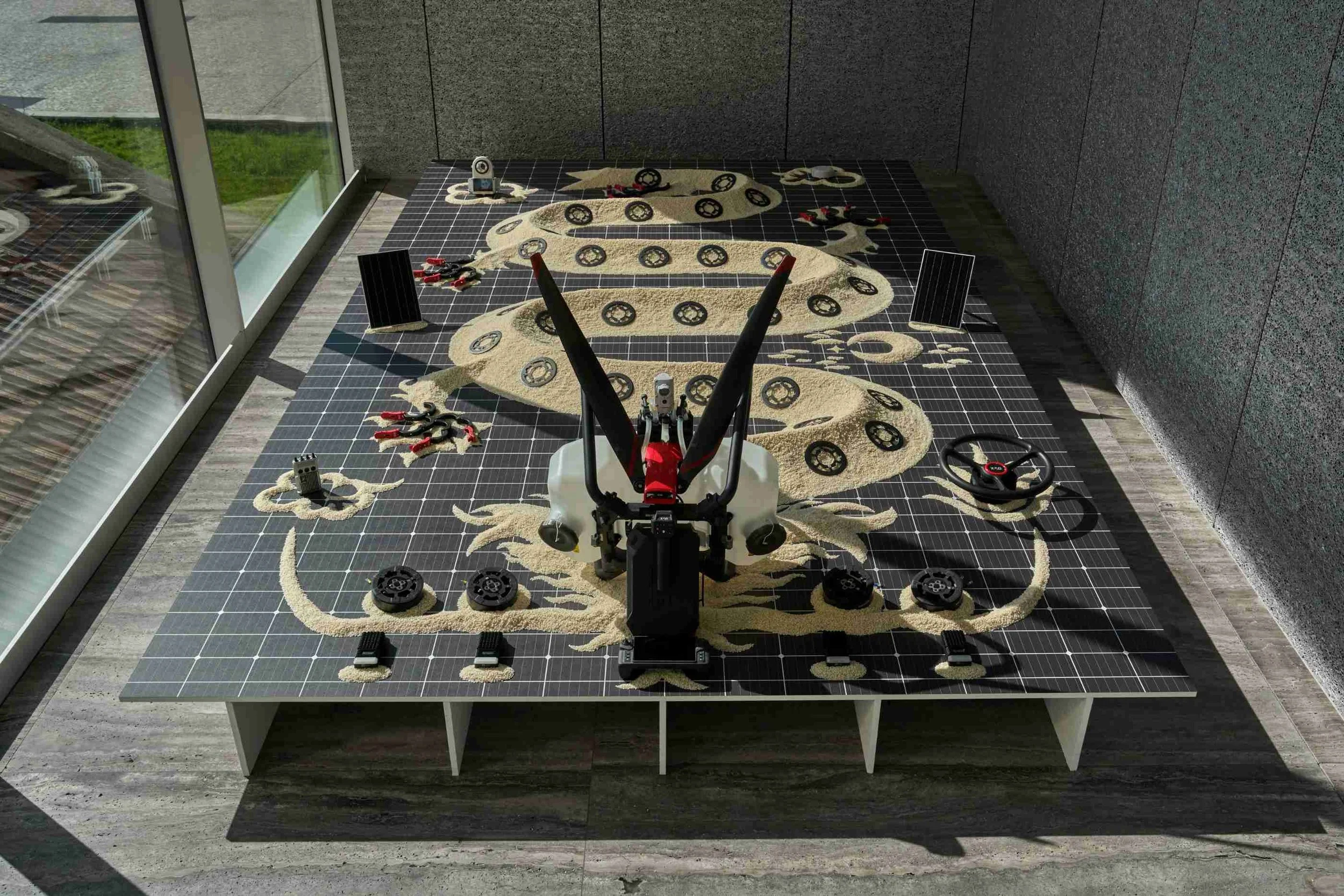
Land Ceremony, which greets visitors on this floor, makes that continuity physical. Constructed from local Lombard rice and traditional folk materials, decorated with drone components, it draws directly on the ancient Chinese "rice dragon" ritual, rice shaped into a dragon, offered to ancestors to invoke abundance. The drone parts are not ironic additions. They are sincere ones.
What Cao Fei has made here is a portrait of an agricultural revolution that most of the art world has not yet looked at directly. Smart farming is among the most consequential technological shifts of this century, affecting food security, land use, labour markets, ecological systems, and the cultural fabric of rural communities across the planet. It is also almost completely invisible in contemporary art discourse.
She has looked at it seriously, with complexity and without sentimentality. The result is a show that earns its ambition: large in scale, precise in thought, and genuinely unsettling in the best possible sense. You leave Fondazione Prada thinking about who farms the land, who owns the data, who inherits the ritual, and what, exactly, we lose when a drone does the praying for us.
Words by Donald Gjoka
What to read next