Roberto Rigon aka Fixer
Roberto Rigon, known to many as Fixer, learned his craft from YouTube tutorials and late nights online rather than a classroom, and that education still defines how he works today. As creative director and co-founder of Capslock, an independent publisher probing technology's ethical edges, and creative director of Espace Parallèle, a Paris venue built to hold fashion, art, music, and photography under one roof, he treats curiosity as a discipline rather than a mood. In this conversation he traces the philosophy behind both projects, from Capslock's instinct to print what matters most on paper, a medium built to outlast the news cycle, to Espace Parallèle's community-first approach, shaped in real time by trial and error.
He speaks candidly about privacy as the defining battle of this decade, about his admiration for figures like Snowden and Assange, and about four years spent reconsidering long-held assumptions on democracy, freedom, and the pace at which nations plan for their own futures. The talk lands at a turning point: Rigon is preparing to leave Paris for Oregon, where he joins one of Nike's creative teams at a moment the brand itself is reinventing. He arrives with a European's eye trained on American politics, ready to write, question, and observe a country in flux. It is a rare, unguarded look at a mind built on curiosity, contradiction, and the conviction that language, like technology, is never neutral.
First of all, it is a pleasure to hear more from you in this interview. As we have been colleagues for so long, I have always respected your work and philosophy. Would you like to introduce yourself a bit for those who don't know you? Also, I am wondering in what way you feel your background has influenced who you are now?
The respect is mutual, and thanks for giving me the chance to express myself. I'm Roberto Rigon, and I like to describe myself as a creative researcher. I'm the creative director and co-founder of Capslock, an independent publishing house, and the creative director of Espace Parallèle, a venue and creativity hub in Paris.
I say creative researcher because I've always been inspired by the R&D, analytical approach applied to a medium, in my case creativity blended with technology. I started out as a tech geek and a gamer, and only later became a designer. I never went to university, so my education came from YouTube and from the internet itself, a reality I'm completely immersed in, and I think that shows clearly in my practice.
You move fluidly between publishing, design, and cultural production. Is there a single principle that holds all of it together, or has your approach changed shape with each new discipline?
Curiosity. For me, it's all about curiosity. I've deliberately chosen to follow an unwritten path in my career, as Bruce Lee said, "be water, my friend," and I really feel that.
You need to be curious if you want to create. You need to love what you do. And at the same time, you need a controlled amount of stress. Taleb makes this point in Antifragile: to improve, you need to expose yourself to a mild level of stress, enough to stay sharp and never settle into complacency.
That's why I try to stay so versatile at this stage of my life. I'm still young, and I feel this is the best time to explore and refine my practice. Do what you love, and don't build boundaries that aren't guardrails.
Everyone has to compromise when their work is subject to a third party, which is why it's so important to find side projects, spaces where you're free to explore and express yourself. Every medium is fascinating to explore, so why stop at your own garden? Books, documentaries, logos: each one is a different world with its own rules and peculiarities, and I'm hungry enough for knowledge that I want to test myself in every corner of creativity.

Capslock probes the ethical dilemmas of humanity's evolving relationship with technology. What makes print the right format for questions this urgent, when the conversation itself moves at digital speed?
This is a great question, because it's the founding question we asked ourselves when we created Capslock. Everyone on the team is deeply into technology, we love it, and we feel lucky to have been born into this paradigm shift in our society. It's a scary moment, but at the same time we're experiencing an acceleration in social dynamics that makes this era the most interesting from a sociological perspective. But we're not fanboys. We see technology's limits, and we see how it can destroy society if used without ethics.
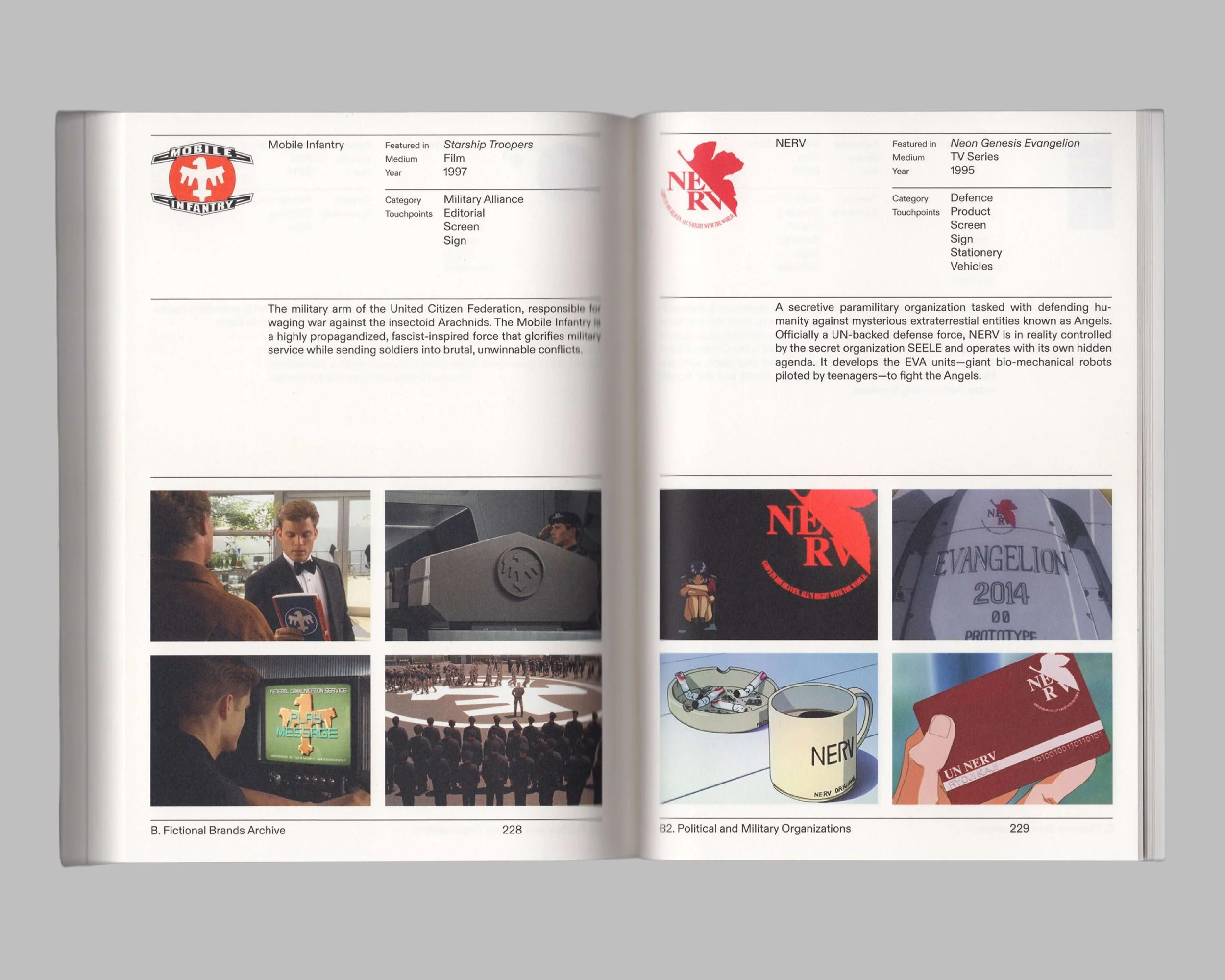
That's why Capslock started as a print publisher: what's written on paper is something that remains. We want to separate the signal from the noise. What we're doing is curating steps in an ongoing evolution, and with most of our issues we're trying to trace a line, to plant a flag on the timeline, to help make sense of the cathartic moments in our lives.
We want to make books that, in ten years, will still convey a sense of that evolutionary trajectory.
How do you choose which contributors and voices earn a place in an issue, and what makes a story feel like it belongs in Capslock rather than anywhere else?
IIt really depends. Capslock can be both top-down and community-driven at the same time. We use this quote to describe our intent: "we live in a society exquisitely dependent on science and technology, in which almost no one knows anything about science and technology," by Carl Sagan.
So our mission is to investigate these topics from different perspectives, to give readers the knowledge and the lens to connect the dots in our society. That happens both through projects we initiate ourselves, working hand in hand with external collaborators, and, this is what I love most about Capslock, through our community, which knows it can propose anything to us.
We receive a lot of essays, theses, and proposals, and sometimes they do make it into publication. Being independent, we're still only able to publish a small number of projects each year, partly because we want to give each one the right space and time to mature, but we're working hard on strengthening this side of the project.
Let's talk about Espace Parallèle, an event venue in Paris that brings fashion, art, music, and photography under one roof. What was the journey like when curating a program where these disciplines don't traditionally seem connected to one another?
Before starting this, I had literally zero experience in the field: just curiosity, and the relief of being allowed to fail. That gave me the motivation to explore. This is why Espace Parallèle is so special to me, for two reasons. First, the team is great: if you want to build something, you need to trust your people.
Second, EP doesn't follow the rules of a traditional venue. We're building the brand and the business model as we learn, which is also why our community feels so attached to us. I think they feel the effort we put into the project, and the DIY mindset behind it.
We want to create something for our community and for the city, not just another venue, but a place where everyone can feel at home. The space is incredibly modular, and we have a diverse enough team that everyone can develop their own ideas. We want to create connections, and we love it when people from different fields and worlds come together and connect.
You have spent years thinking about technology's ethical blind spots. What worries you most right now about how personal data and privacy are being treated, and is there a fix you actually believe in?
I'm scared that people don't fully realize how personal data can shape the course of their lives. Data is the most precious commodity today, yet there's almost no regulation around it.
Europe is desperately trying to do something about it, but it has almost no leverage globally, and this is something that should be discussed in an international assembly rather than managed state by state. I'm scared because technology is moving so fast, at a very peculiar moment when global hegemony is shifting and the world is becoming far more fragile, when capital and safety are drifting apart.
This AI race, mixed with internal and external threats driven by power games, is the perfect storm to radically change our society, and I'm not sure it's going to be for the better. I think we can change course. I think it's going to be very difficult, both because it will take a lot of work and because it will require real global collaboration, but I believe that collaboration is the only way through.
Technology and geopolitics are increasingly inseparable. Do you see creative and editorial work as having any real leverage in that space, or is it mostly a way of naming what is happening?
I think everything has leverage. I think we can shape our future through education and through understanding what's going on, and editorial work is part of that effort. It's a small part, especially since people are reading less and less, but I am who I am today because of the books I've read. Art is a world of its own; you can measure the freedom of a country by how much its government supports art and freedom of expression.
Everything is political, and creative mediums are among the most powerful weapons citizens have to fight injustice. Art creates community, community creates movements, and movements create revolutions. That said, these remain marginal stages.
Real change requires policy and reform, and culture can push people to demand those reforms, but it's always a supporting role, never the main lever.
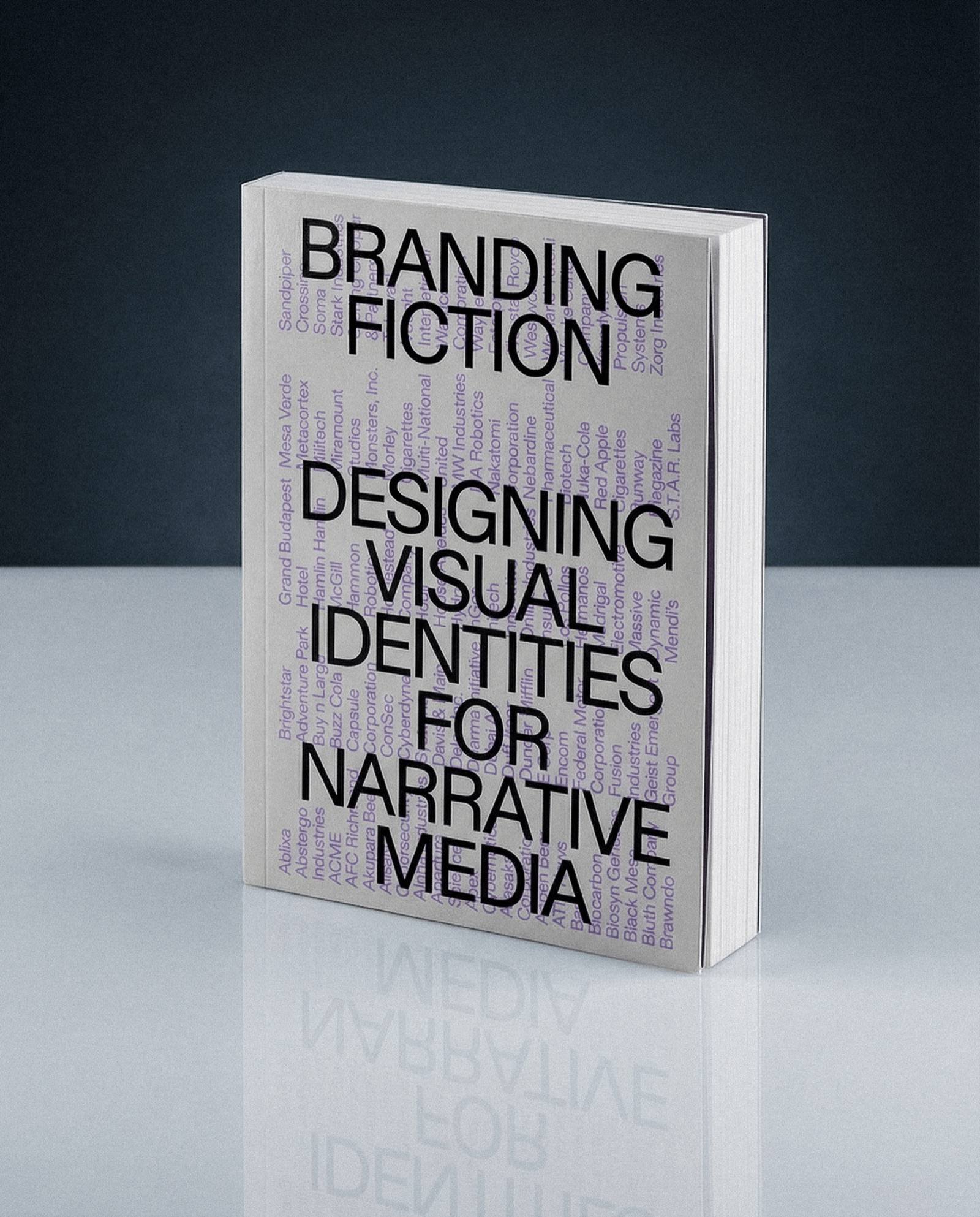
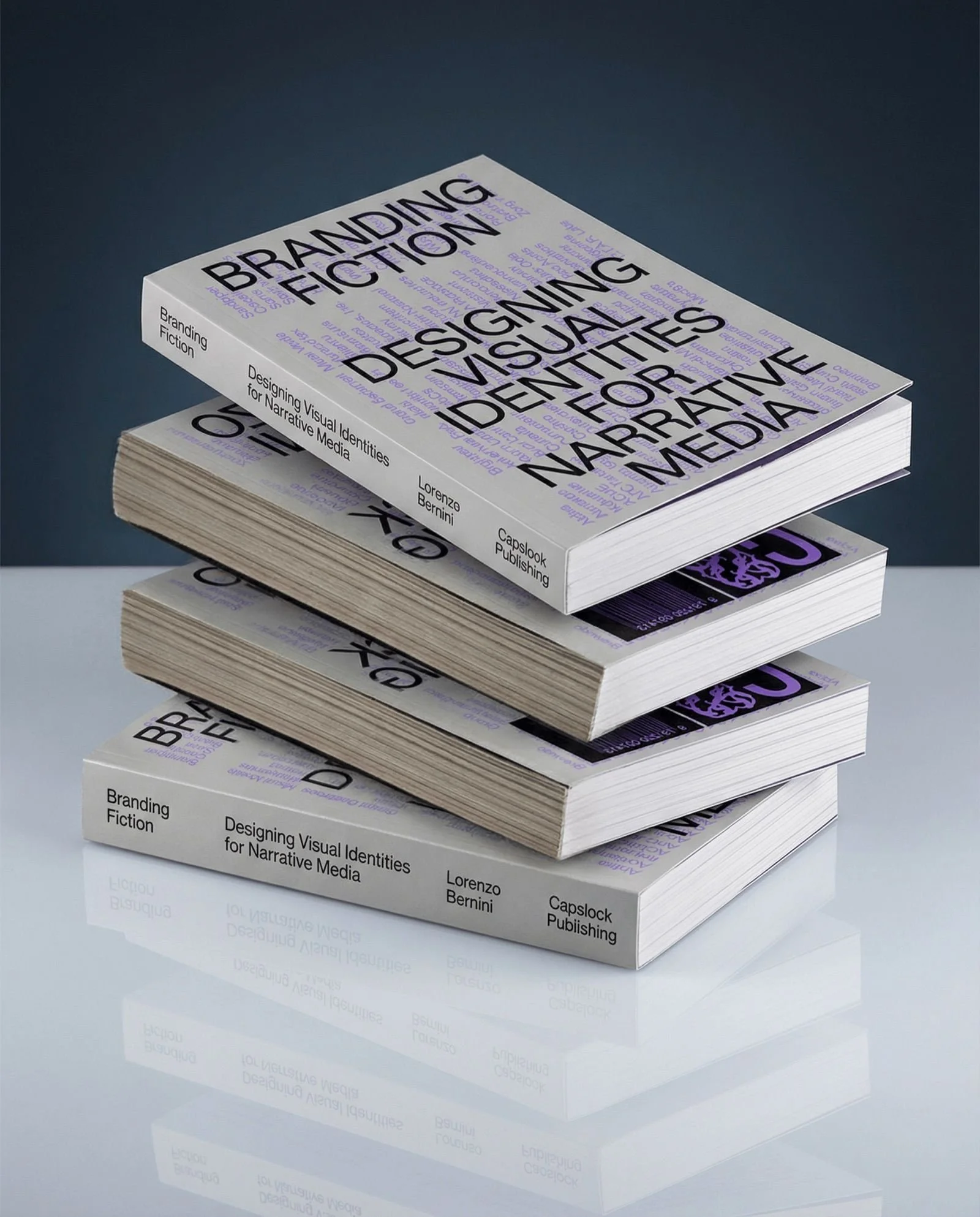

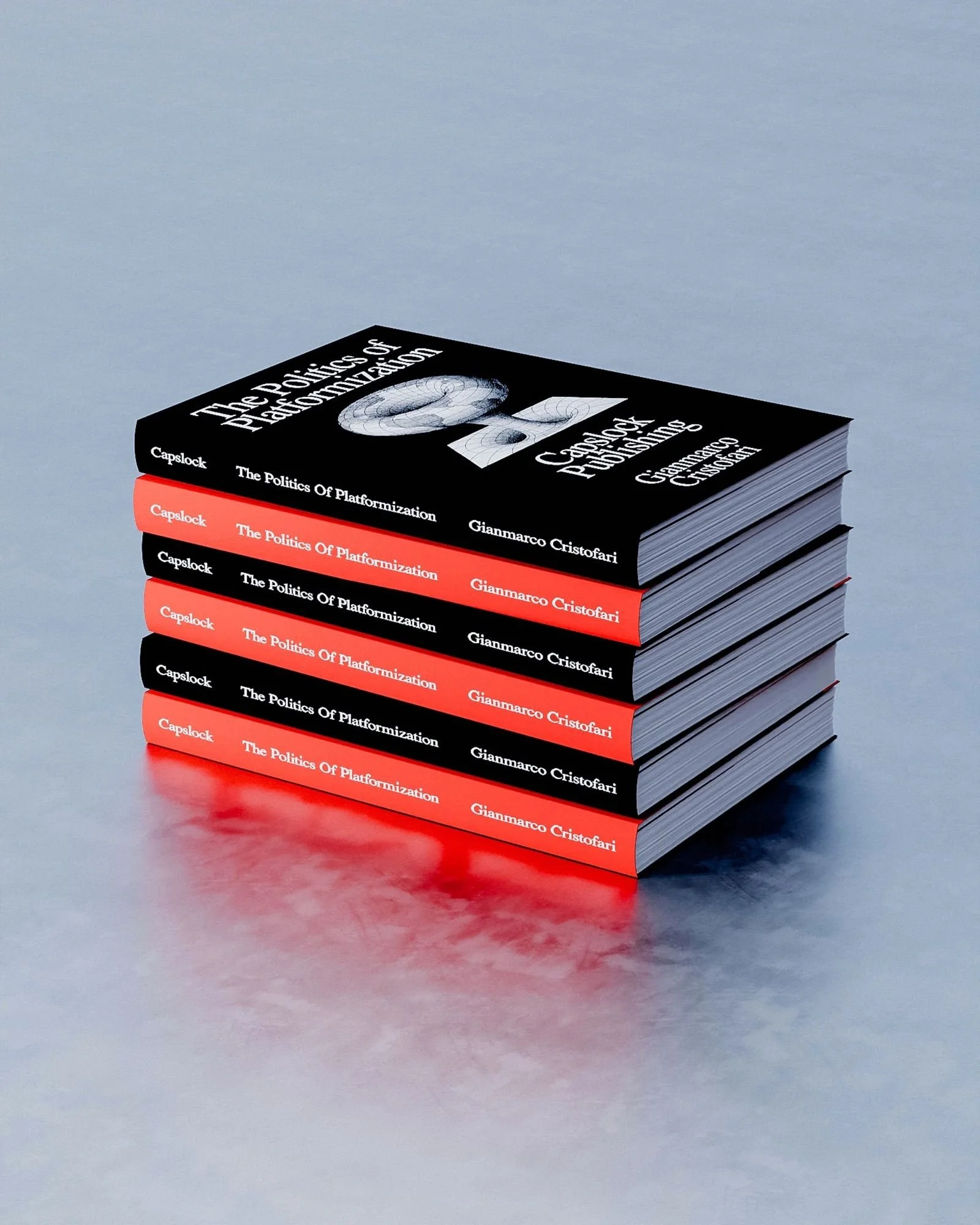
In ‘The Long Game’ you write about the gap between how slowly biology changes and how fast technology moves. What would it look like, practically, for a person or an institution to actually think on that longer timeline instead of chasing the next fix?
I think we in the West have always seen ourselves as the "good guys," painting the rest of the world as the villains, using something like "individual freedom" as the only metric that determines a country's worth. Don't get me wrong: press freedom and freedom of speech remain, for me, the most important rights a citizen can exercise. But over the last four years, after trying to explore and understand the world, after spending time in Ukraine, I've come to realize the narrative we follow isn't always the right one, and especially since Covid, I've noticed there are real fractures in our own concept of democracy, fractures that shift the balance more than we tend to admit.
I still believe Europe remains the balance point between unchecked American liberalism and Chinese state authoritarianism, the right compromise between the two. But talking about China specifically, and to actually answer your question, I can't help but be astonished by how they've managed their domestic policy over the past few years, to the point where it's made me reconsider a lot of the preconceptions I used to hold. The so-called Five-Year Plans for National Economic and Social Development are long-term plans the Party puts in place to give the state a clear trajectory, one that then moves the private sector underneath it, and what they've achieved is genuinely remarkable. The country has become the world's largest investor in renewable energy, leading globally in solar, wind and EV batteries, while pushing hard on chip self-sufficiency, reaching mature-node production even as it still trails in advanced semiconductors. The high-speed rail network grew from zero to over 70% of the world's total, and by 2025 China had climbed to 10th place in the Global Innovation Index.
None of this comes free, though, and I don't want to sound naive about it. The same central power capable of moving a whole country in one direction over five years is the same power that decides what gets built, what gets said, and who's allowed to disagree. A state that curtails press freedom and free speech the way China's does is paying a price I wouldn't be willing to pay myself, not even for that kind of long-term thinking. What I find remarkable isn't the model as a whole package, it's the discipline of planning in decades instead of quarters.
This is what a strong state, for better and for worse, steering a country's progress in a clear direction looks like. Thinking about the future means thinking in terms of policies that play out over the long term. If you only act on short-term policy, you keep losing the wider picture, you end up with tunnel vision on whatever is happening right now, and you miss the whole shape of where things are actually heading. I hope that here too, in Europe and in America, we start looking at things this way. Obviously, in a democracy like ours it's much harder, because you can't impose anything, you always have to find a compromise between the different parties. But that's also the beauty of this system.
The web runs on data we rarely think twice about giving away. What do you see as the biggest privacy threat of this moment, and do you believe there's still a way to correct course?
Privacy is a crucial subject, but one that's often seen as boring. It's essential to understand how we, as consumers (not individuals, because here we're talking in market terms), can influence market dynamics and preserve our freedom in a future where that freedom is increasingly under threat. We've handed over every piece of data about us, both digital and physical, in exchange for convenience, stepping into a vicious cycle where that data, once superfluous, now feels indispensable. The relationship between privacy and convenience has always been tilted in favor of convenience.
Until recently, though, the consequences for the individual were still manageable. Today, with world models capable of connecting millions of data points to build a digital identity so precise it can surpass our own self-knowledge, it becomes essential to take a position and understand the implications of this shift. Think of Palantir and its software, of Meta and its new wearable devices, of the advertising industry, of facial recognition cameras, of dynamic pricing. These elements look separate, but together they weave a dense network that, in the wrong hands, gives states or companies a level of power we've never seen before.
That's why we need to act now. We need to know our rights, understand how they're changing without us noticing, and protect and defend them. As always, we find ourselves in a difficult position: data has become a widespread, entrenched economy, and there's no incentive for companies to protect our privacy. Most people can't grasp what might happen five years from now if we keep outsourcing our lives to these platforms in exchange for a handful of recommended ads. But I don't think the picture is hopeless: every time people start asking these questions out loud, something shifts, and awareness tends to be contagious once enough people start comparing notes.
I grew up looking at Snowden and Assange as the martyrs of this society: people who lost everything to expose the narrative of corrupt states, to show us that not everything is as we're told, and above all to prove that, for them, the ethics they stood for mattered more than their own lives. They're my biggest idols, my mentors, and I hope I'd have the courage to act like them if I were ever in a position to make a difference.
This is an endless conversation, and impossible to scratch the surface of with a single interview question, so I'll leave readers with a book recommendation instead, a foundational one: The Age of Surveillance Capitalism by Shoshana Zuboff.
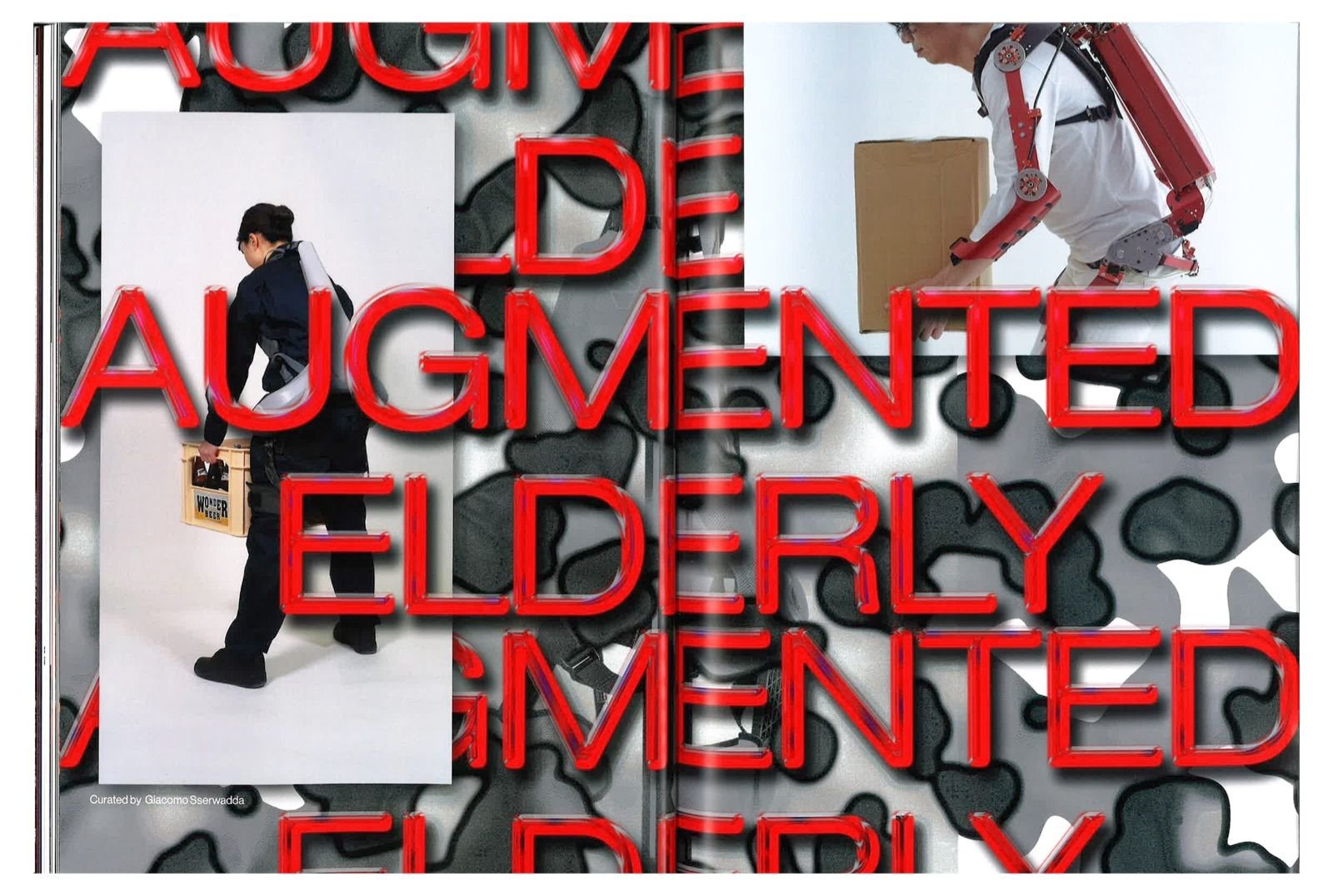
Also, in the upcoming ‘Lost in Evolution’, which is described as an atlas of terminology, in what way does language itself need mapping right now? What gaps are you trying to fill with it?
In the first volume we talked a lot about the terms that shaped those years: gaming, blockchain, internet media. We approached the whole thing through a narrative written four-handed with AI, back when AI didn't really exist yet for the general public. I remember we had to use versions of GPT that didn't even have a chatbot interface, and we got access through developer friends in the industry just to test them. The result was incredible, because they were clumsy and unreliable, and yet at the time even that felt impossible. It was a foundational volume, because we planted a small flag marking the level of linguistic evolution at that moment, and now, four years later, we can see how far progress has taken us, to a point that once felt decades away.
We're not trying to fill gaps; we're using language as a concept to capture a specific moment in history. Language is one of the most important inventions in history, if not the most important, and by using one term instead of another you can completely change the meaning of a text. I'm paying close attention right now to how I speak and which words I use in this very interview: everything is political, and every term pulls toward one end of the pendulum or the other.
That's the purpose of Lost in Evolution, and with the second volume we'll try to do the same, hoping that a few years from now, if a third volume ever becomes necessary, we'll find the same kind of linguistic gap between the second and the third that we found between the first and the second.
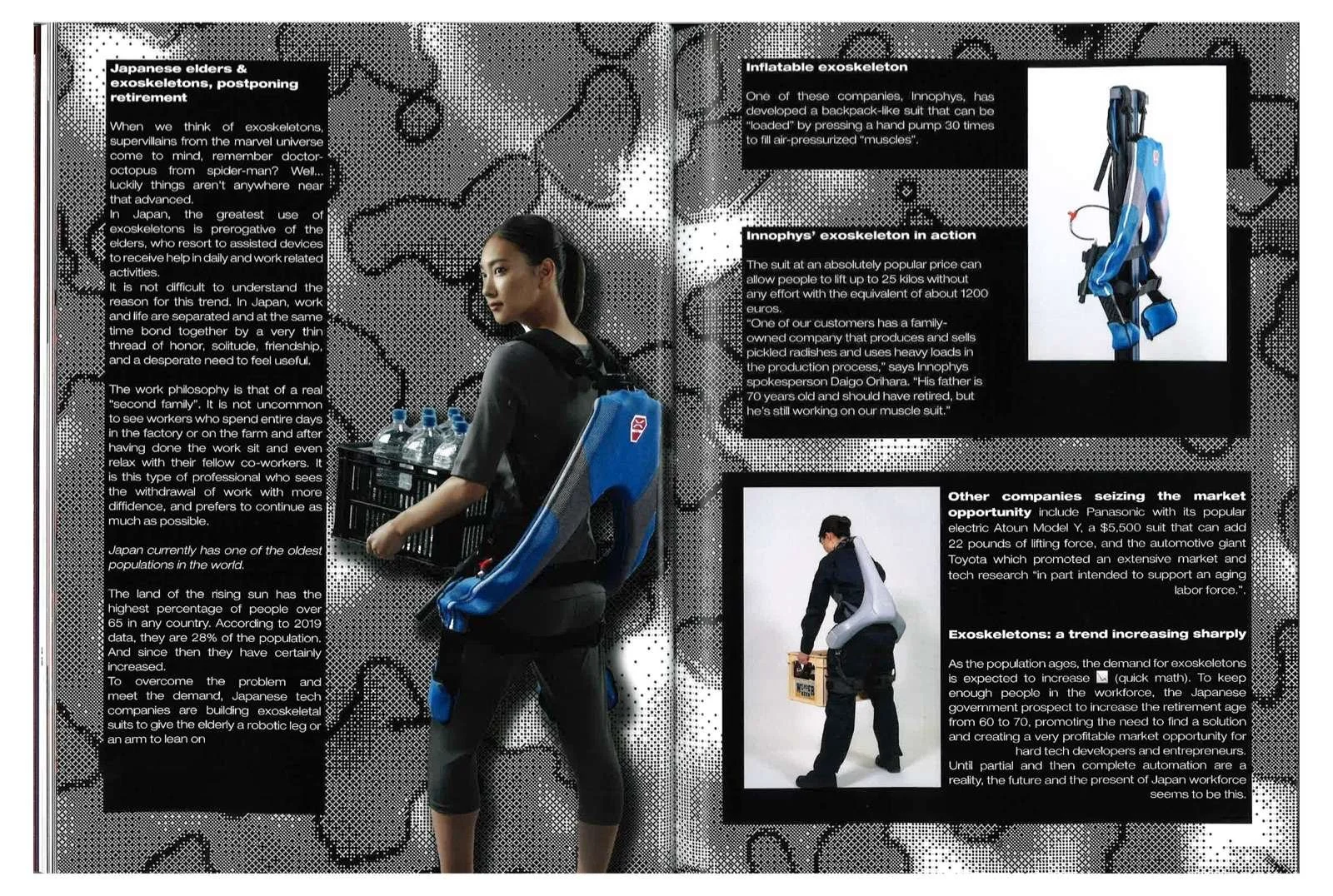
‘The Creative Compass’ second edition, after the Italian one, is heading to France. What does that expansion mean for the project, and how much of it stays the same versus adapts to a new context?
I'm really proud of the selection for this issue, and of having managed to complete it on time. Capslock's choice to keep such an extremely flexible structure can sometimes backfire, and risks slowing down or derailing projects, but already with this edition we've learned how to streamline certain steps, and above all how to manage communication with the various artists better. We tried to keep the volume as close as possible to the first one, since it was built on a structure and a system whose strength lies in the correlation between the different publications. The number of artists and questions stayed at twelve. But the creative fields went from six to three, folding more disciplines into broader, more nuanced categories, and that shift says something real about where creative work is heading: creatives in general are opening up to more varied kinds of work, harder to pin down under a single label. Someone doing graphic design today very likely also works with AI or 3D, someone doing photography also shoots video, and we liked the idea of letting people express themselves more freely, without boxing them into a single label. This volume also marks the official launch of the TCC series: the first issue, launched successfully as a pilot, now becomes the stable foundation for all future issues, which we hope to release every year in a different country. We'll see, a year from now, how the project evolves. We want to keep each issue as close as possible to the others, to preserve the identity of the series, but at the same time we're open to this kind of fine-tuning, shaped by whatever the industry needs at the time.
Are you about to change life?
I'd say yes. I never expected to leave Paris so soon; it's been the most formative experience of my life, and I'll go back there someday. But this is the kind of opportunity that only comes around a few times, and I have the chance to take it. I'm about to move to Oregon to work with one of Nike's best creative teams. To me, it feels like the recognition of a whole career. Getting to work at the headquarters of a brand that has shaped culture, both on the sports side and, even more, on the cultural side, and that has defined a visual language for forty years, is everything I could have hoped for.
I'm excited because working at that level and at that scale will teach me things I've always taken for granted. I've never worked in a corporate environment, and I've never lived in the United States, so this move settles both at once. I'm especially glad to be joining Nike at a moment of real change. The brand has had two difficult years, and from the conversations I've had with my future colleagues, there's a genuine appetite for change, for approaching problems differently, for thinking different. It's going to be a big challenge, but I'm also sure it will be one of the most creative environments I could ever work in. Working at the headquarters of such a large brand teaches you a lot: how decisions get made that will influence the entire lifestyle world, how a sixty-billion-dollar monolith actually moves, how a brand's own scale shapes its decisions. All of this is new to me, and that's exactly what excites me.
At the same time, I'll be landing in an America going through a difficult period. I've always followed American politics, partly because Americans are great at turning everything into entertainment, and partly because so much of the world is shaped by what happens there politically. I'm genuinely glad to experience America in this particular moment. Lenin used to say, and I know it's a little ironic to quote Lenin talking about America, "there are decades where nothing happens, and there are weeks where decades happen," and that's a bit like the world we're living in right now. However bleak and dark the future ahead might look, at least it's interesting, and as someone who wants to be an analyst of the world, it's an extremely formative time to be there.
There are so many things we, as Europeans, think we know about America, and now I'll finally get to test them for myself. I feel quite negative about America right now. I believe this administration is making decisions that will leave tears that can't be mended, with consequences that will inevitably shape the world to come. But that's also what history is: the world was different a hundred years ago, and it will be different a hundred years from now. We're the ones who thought we'd grown up inside an eternal hegemony.
This experience will also give me the chance to start writing about it. I have so many essays I started and never finished over the past year, so many questions I want to ask, so many theories I want to pull apart. I hope this experience gives me the freedom and the will to actually build them and carry them forward, the way I did with Capslock and Espace Parallèle. Maybe it's time to start a new project, a personal one this time.
Interview by Donald Gjoka
What to read next