The New American West

There is a particular kind of stubbornness in the American West. It refuses to settle into a single story. Cowboys and highways, sacred land and suburban sprawl, myth and its quiet undoing, all of it coexists in the same frame, sometimes literally. The New American West: Photography in Conversation, open at 10·Corso·Como Gallery in Milan through April 7, takes that stubbornness seriously.


The exhibition, co-curated by Alessio de'Navasques, Howard Greenberg, and Carrie Scott, brings together nearly a century of photographic work. Ansel Adams and Edward Weston anchor one end of the timeline; Maryam Eisler and Alexei Riboud hold the other. In between: Diane Arbus, Paul Strand, Mary Ellen Mark, Lee Friedlander, Joel Meyerowitz, Wim Wenders, Allen Ginsberg, and more. Not a survey, not a retrospective. A conversation, as the title insists, which means disagreements are part of the structure.
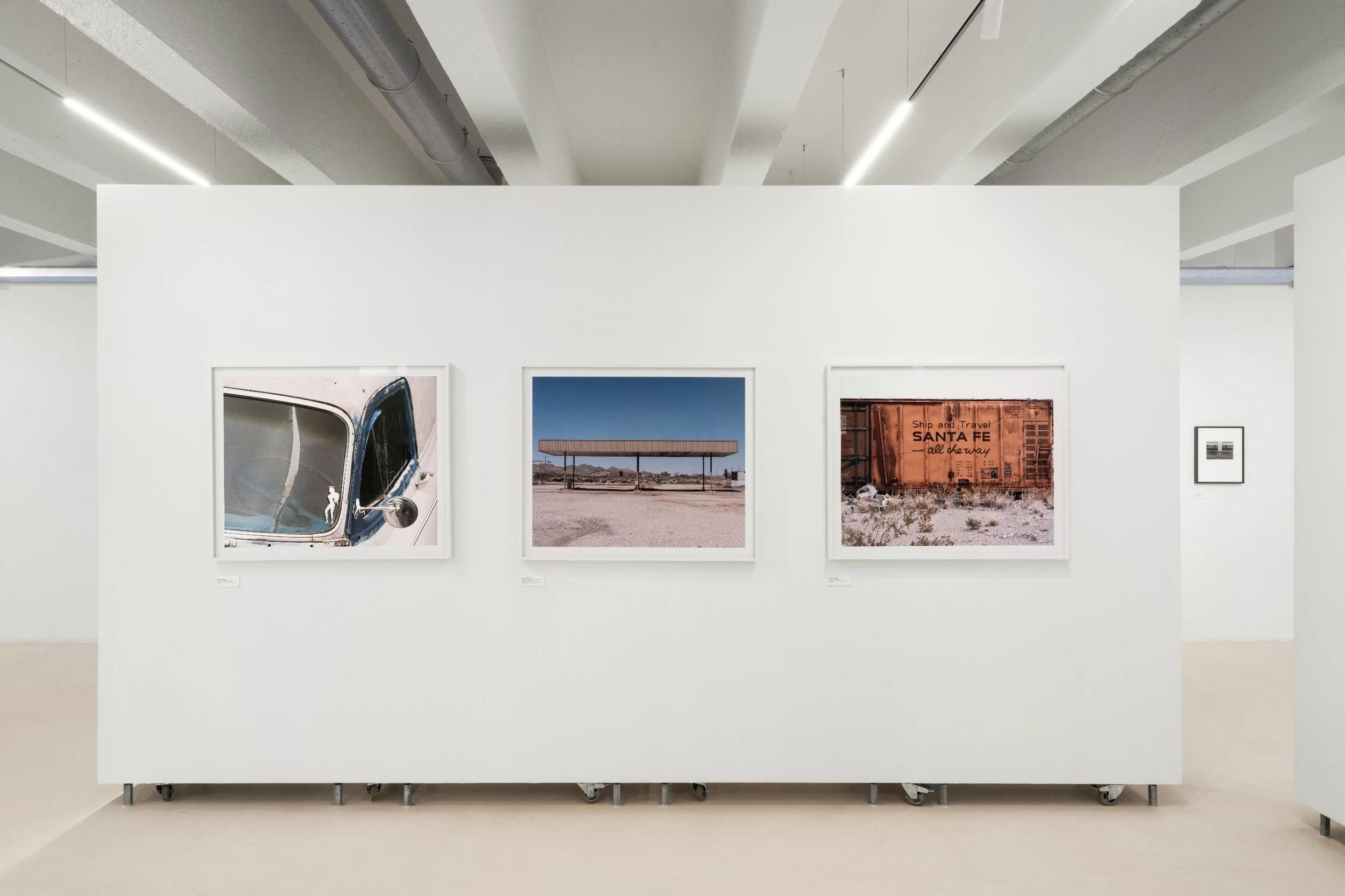
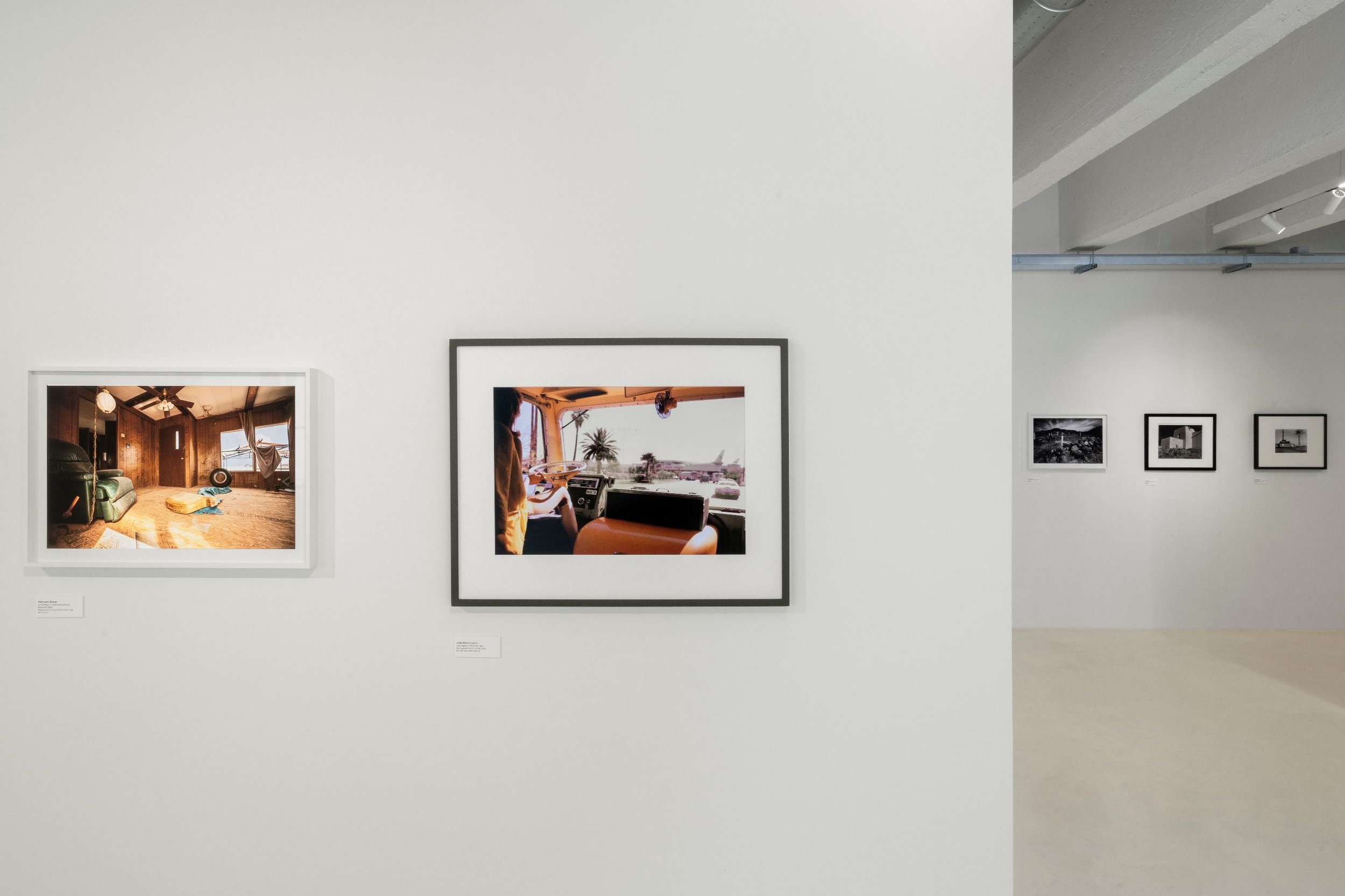
At its core is a 2024 journey Eisler and Riboud took independently across Texas, New Mexico, Arizona, and Utah. They covered the same terrain without sharing a single image along the way. The results are telling. Eisler's photographs are psychological, cinematic, charged with interiority. Riboud's are spare, architectural, patient. Same roads, same light, radically different ways of looking. Placed together, their work does not resolve into harmony. It raises the stakes of seeing.
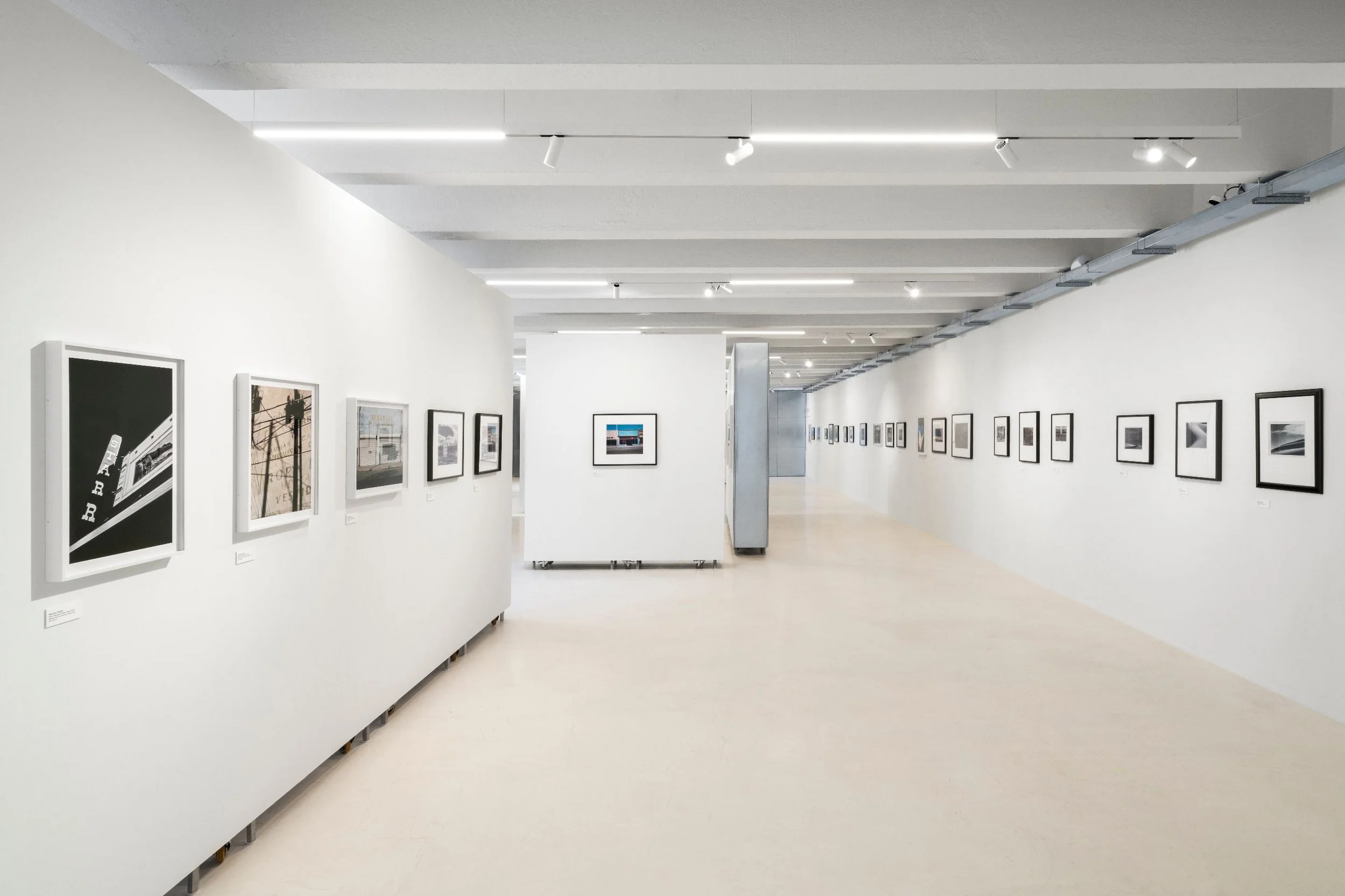

The historical photographs surrounding them are not presented as monuments or nostalgia. They function as living arguments. Robert Adams measuring suburban sprawl against open sky. Danny Lyon embedded so deeply in his subjects that the distance between photographer and photographed practically disappears. Bruce Davidson on the set of The Misfits. Arnold Newman's portrait of Georgia O'Keeffe, who understood better than most that the West was as much an interior landscape as a physical one.


What the exhibition acknowledges, without ever resorting to polemic, is that the ideals once attached to the West, freedom, opportunity, reinvention, were frequently built on exclusion and erasure. Photography does not fix that contradiction. What it can do is keep it visible, make it harder to romanticize without also reckoning with the cost.

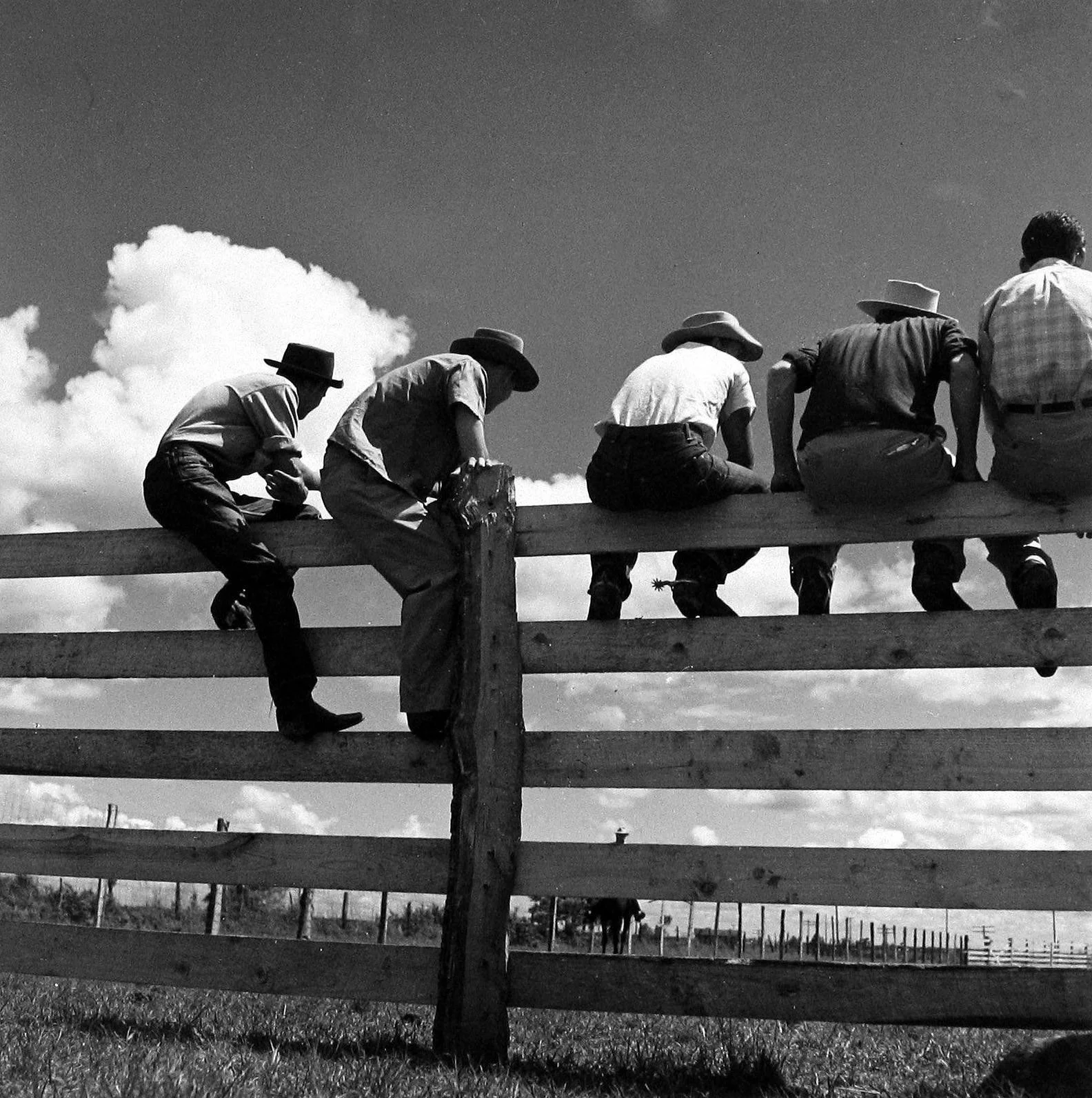
The show arrives in Milan after presentations in New York and Paris, installed here in a layout designed specifically for the 10·Corso·Como space, with Eisler and Riboud's dialogue at the center and the historical works radiating outward. Free admission, daily until 7:30pm. For anyone paying attention to what America is becoming, or remembering what it claimed to be, this is a necessary hour of looking.


Words by Donald Gjoka
What to read next