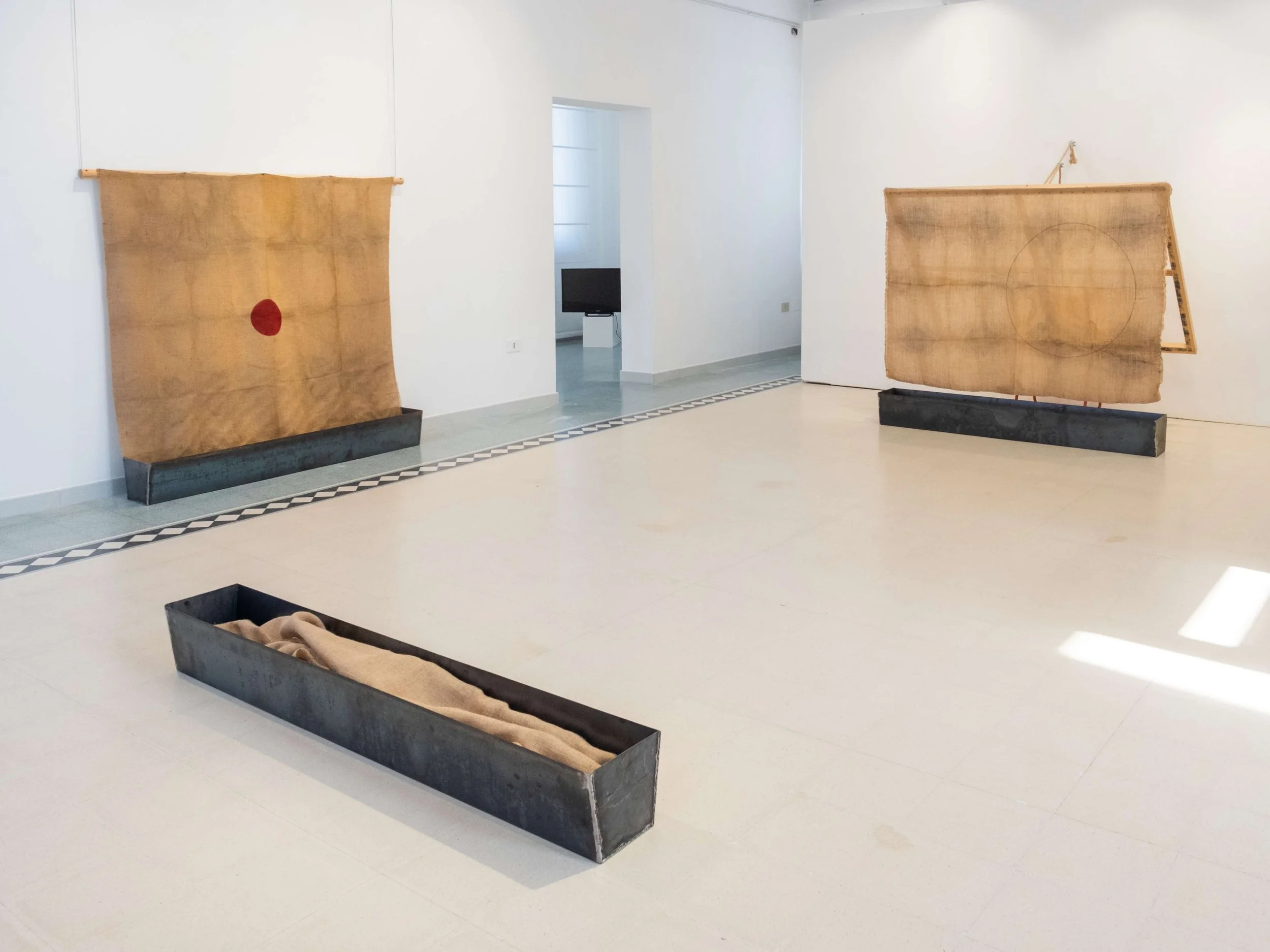
To mark MUDAM’s twentieth anniversary, Dodeka, 12 Works for 12 Cantons, takes its collection across the country. In unfamiliar contexts, artworks begin to shift and become present again.
All in exhibition
To mark MUDAM’s twentieth anniversary, Dodeka, 12 Works for 12 Cantons, takes its collection across the country. In unfamiliar contexts, artworks begin to shift and become present again.
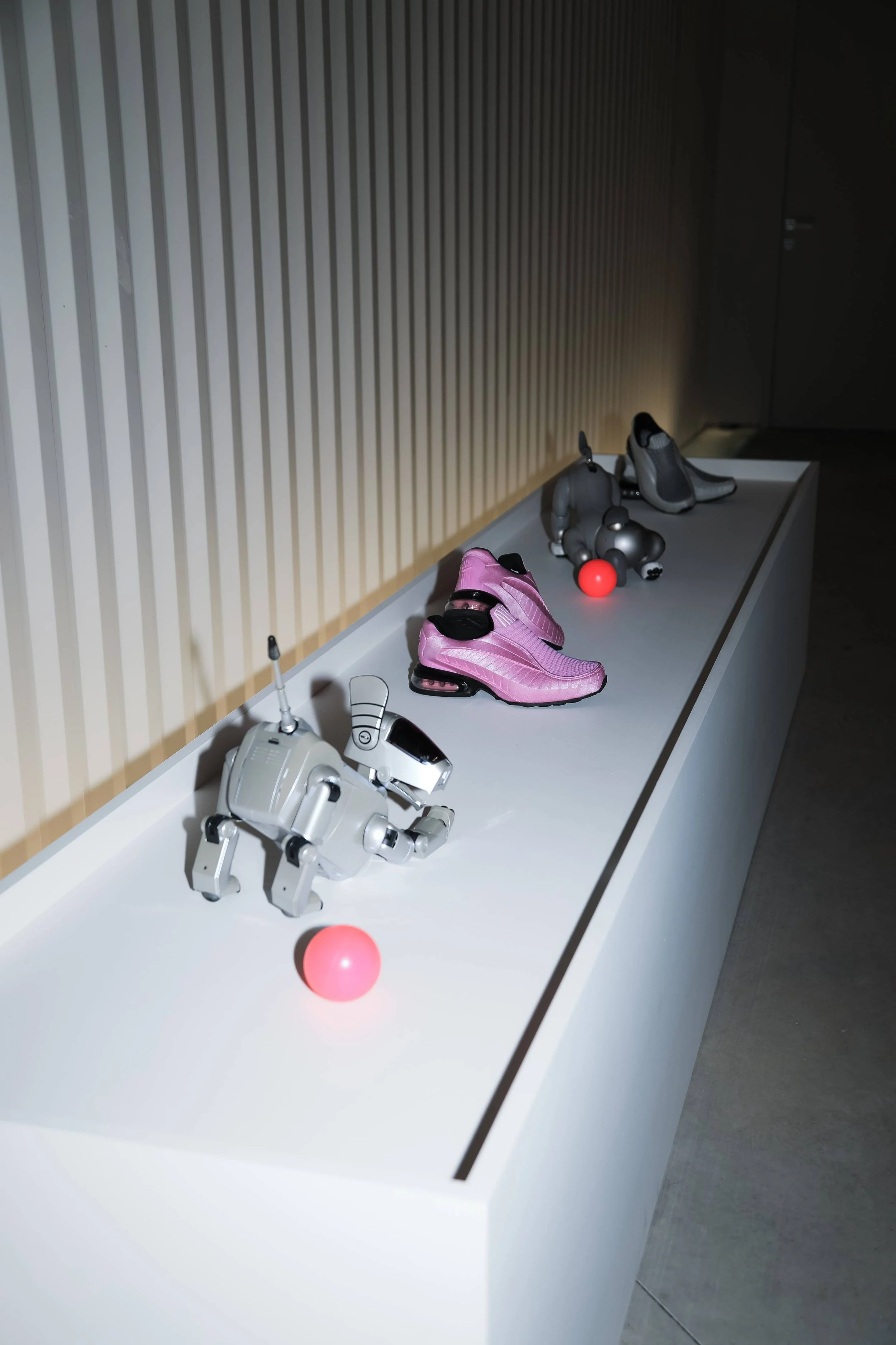
On September 12, Nike SNKRS filled Via Sammartini 72 with eleven artists and one sneaker, the Air Max Dolce. We stopped five of them in the room to ask about memes, archives, edible hearts and what the 2000s still teach us about looking.
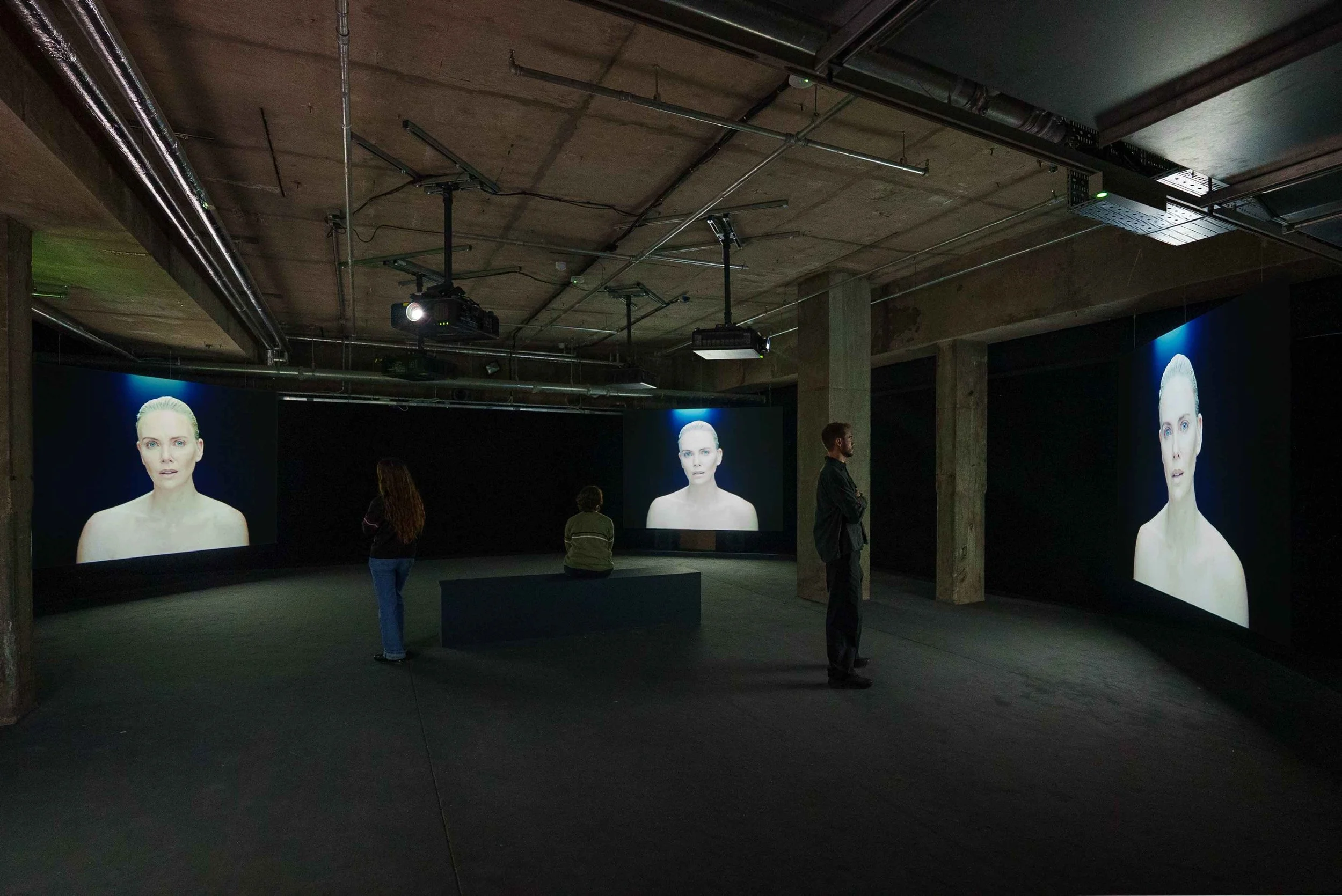
At 180 The Strand, GENER8ION’s VISIONS OF 2034 is all about cinema, music and visual art, imagining a future that feels disturbingly close to the present.
From August 1 to 25, San Benedetto del Tronto hosts Infinito Pratico, organized by Adriatica Contemporanea. Eleven artists interrogate repetition, locality, and Leopardi metaphysical legacy at Palazzina Azzurra, connecting past conceptual lineages to immediate regional realities.
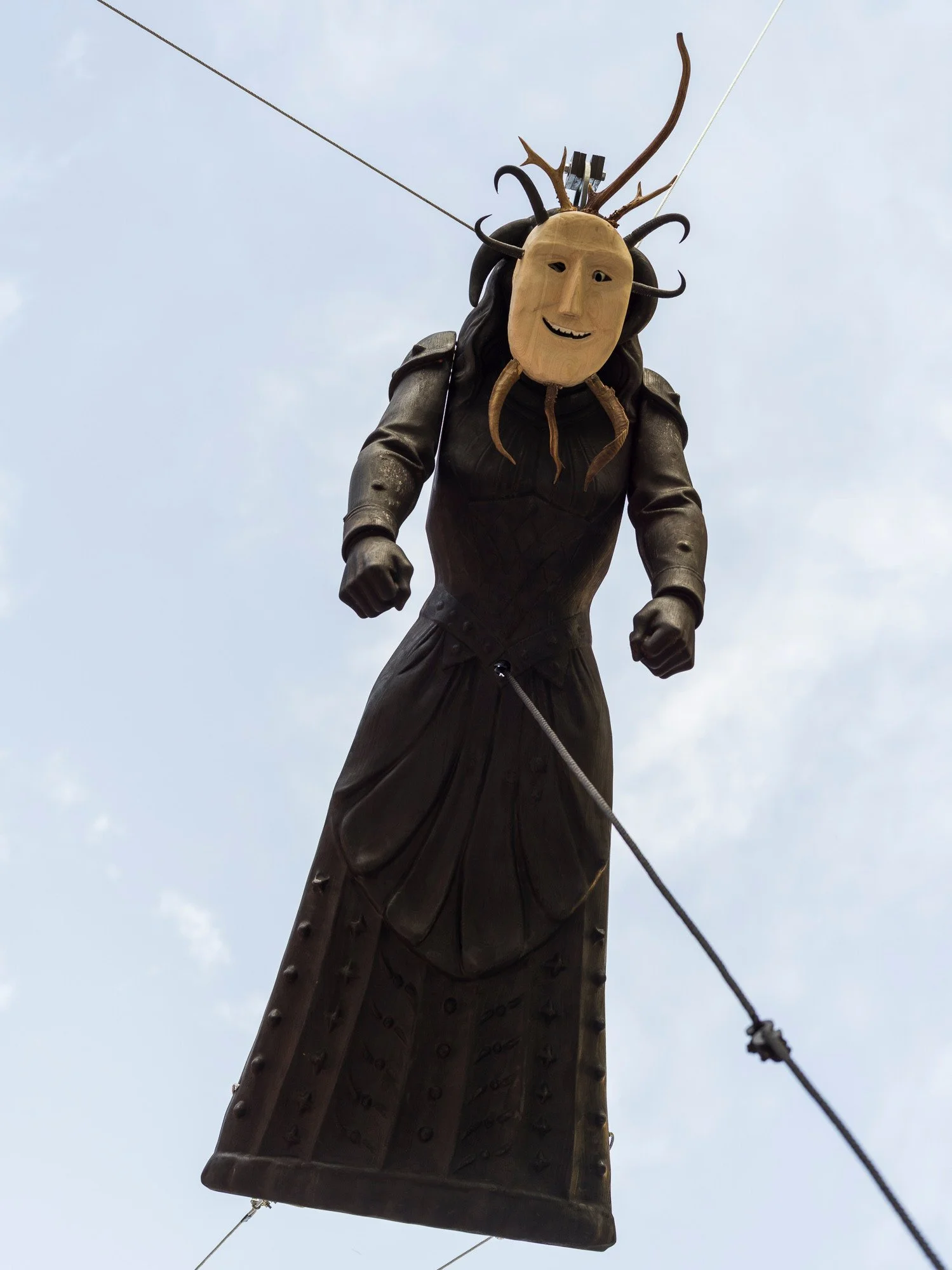
(Future) Paradise Gardens. The tenth edition of Biennale Gherdëina inaugurates in the heart of the Dolomites as a diffuse event running until 13 September.
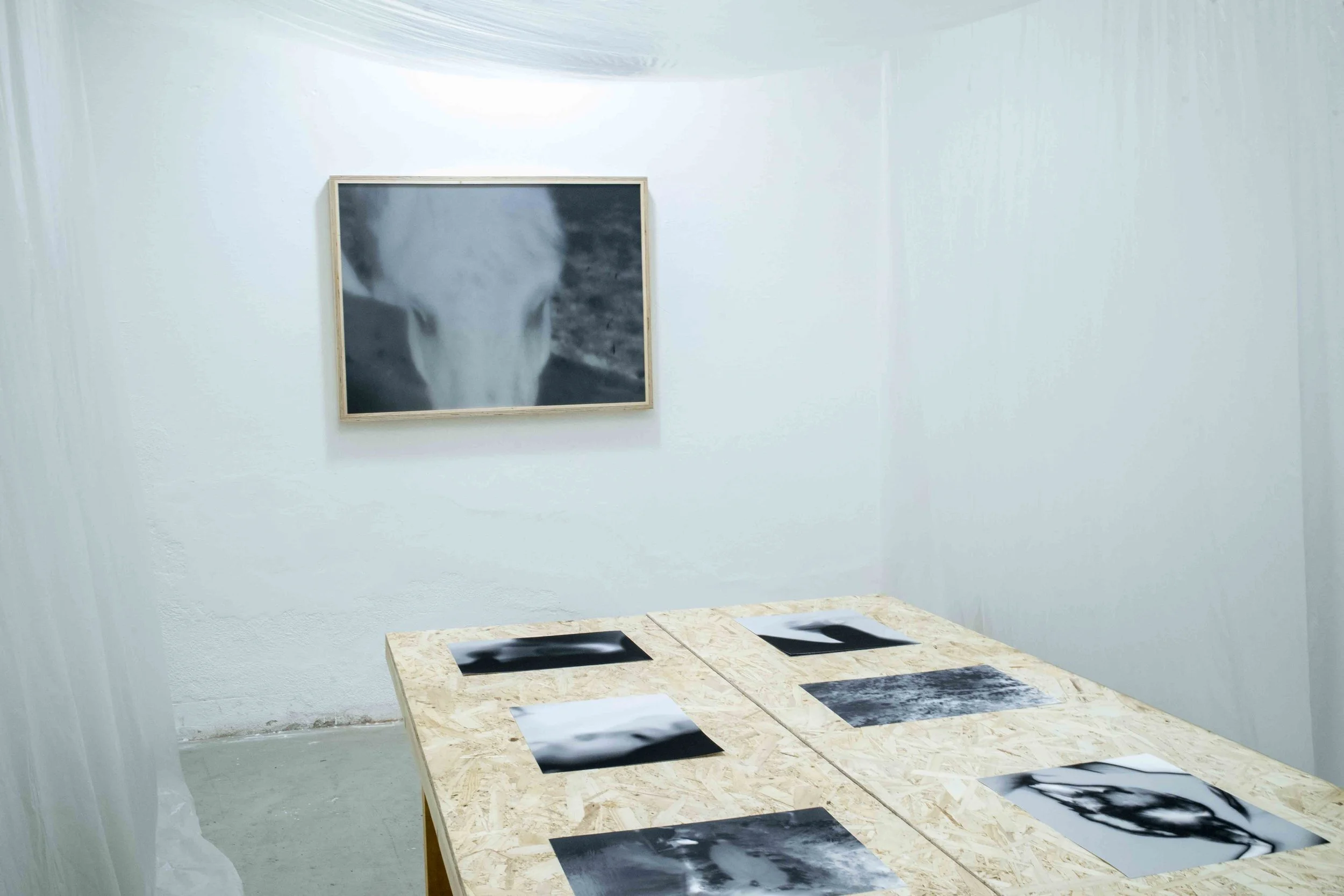
The exhibition Dal sonno by Nicola Maria Patitucci, hosted by Cane Studio, examines the perception and implications of the unconscious, converting the dream state into an intimate and unsettling visual journey.
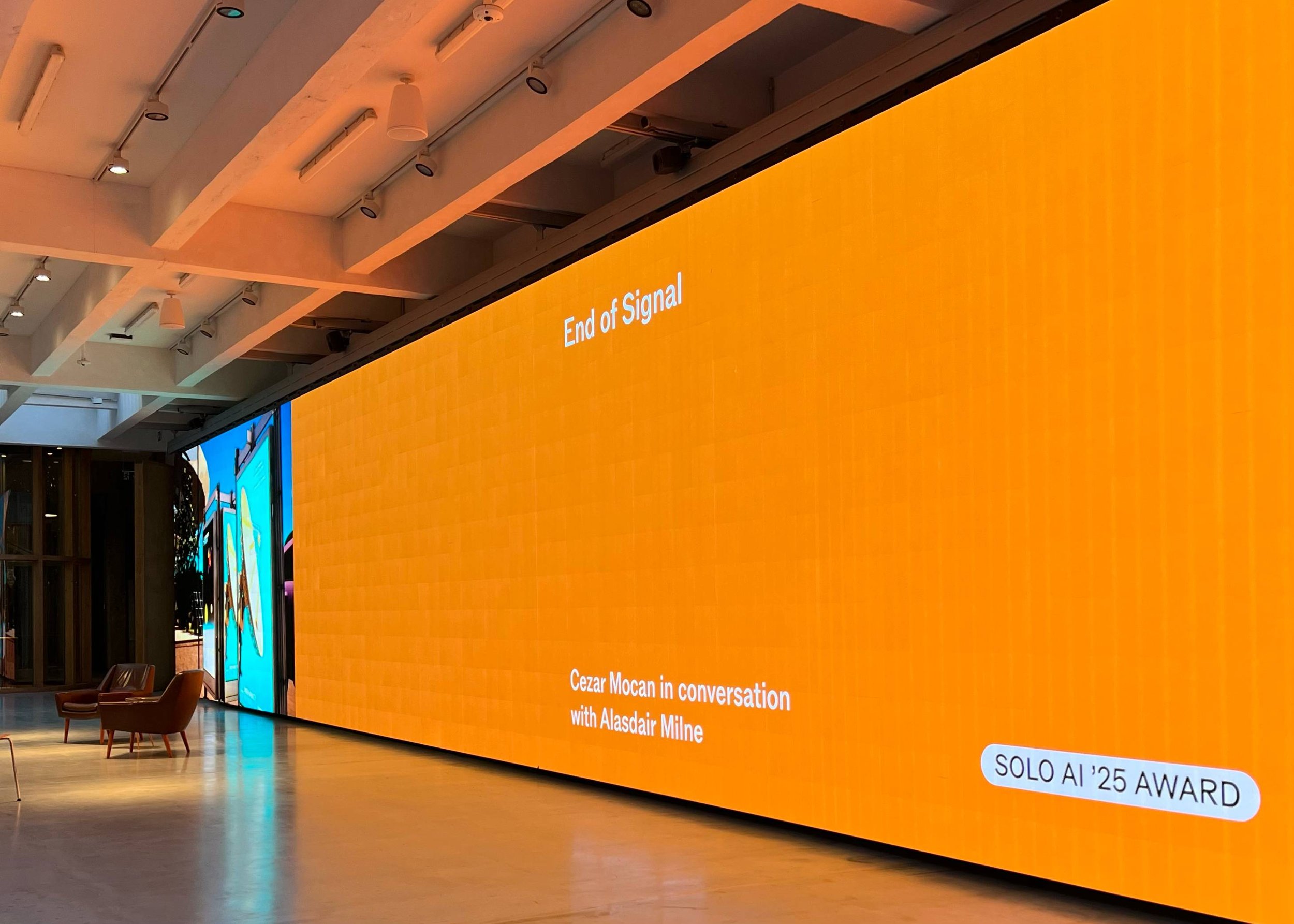
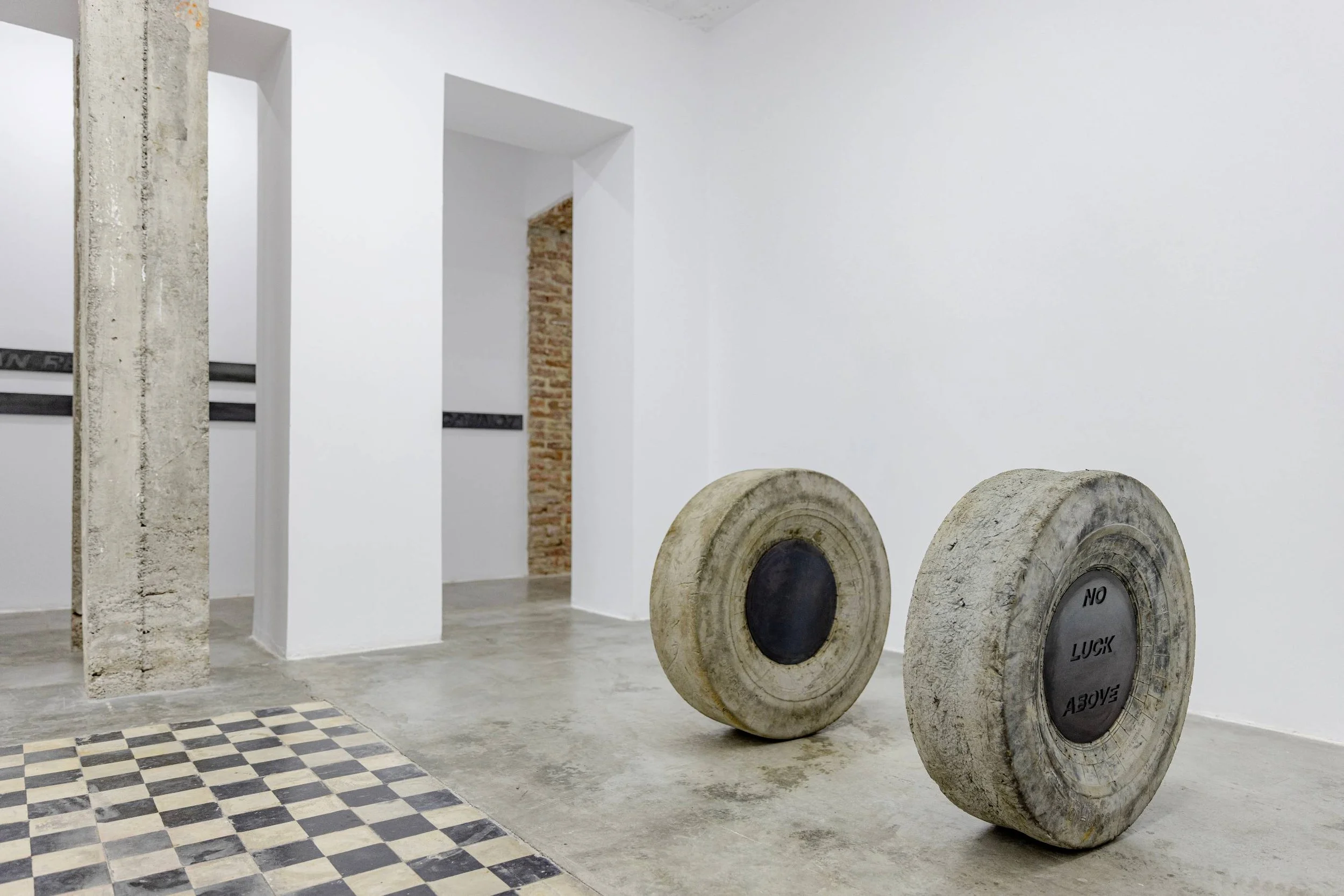
At SOLO CSV in Madrid, a new exhibition space has inaugurated: Basement, with works by Cezar Mocan, artist and programmer winner of SOLO AI ‘25 Award, on the limits of data technologies.
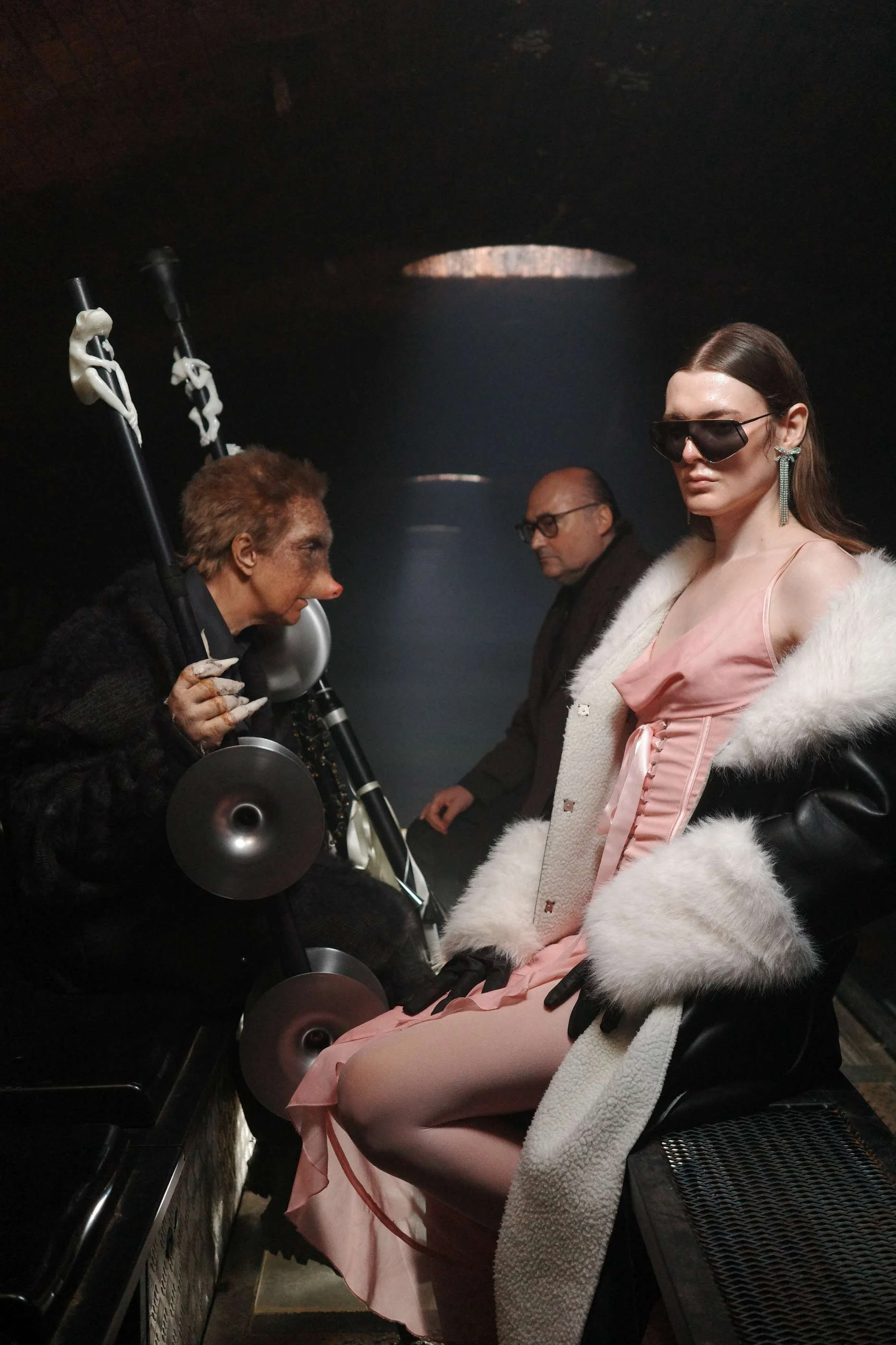
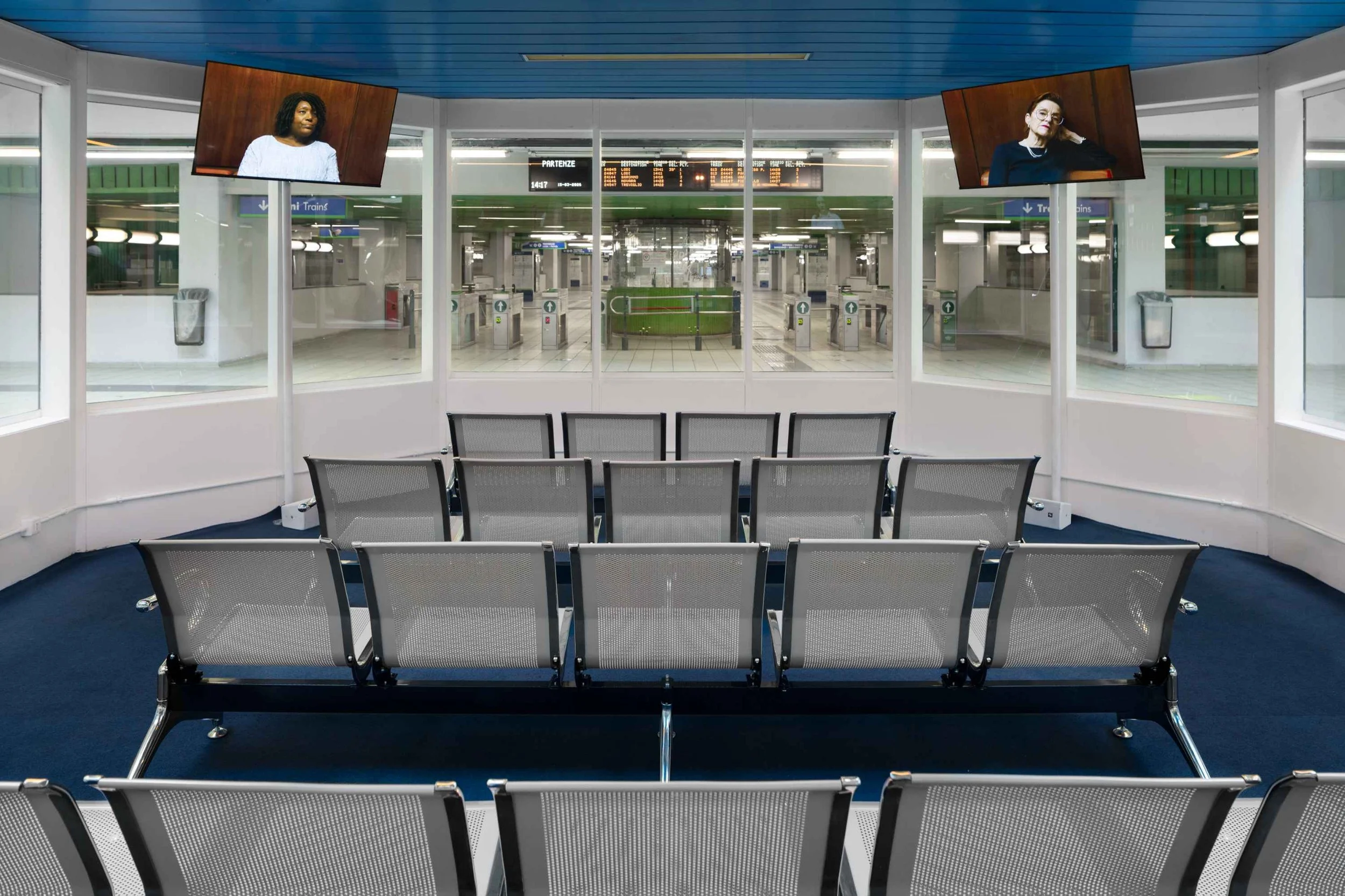
‘The Silence of the Mole’ reimagines a folkloric icon as a Marxist underdog. The film investigates the Kafkaesque machinery of national representation at the Biennale, where muted instruments signal a refusal to serve cultural diplomacy and statecraft.
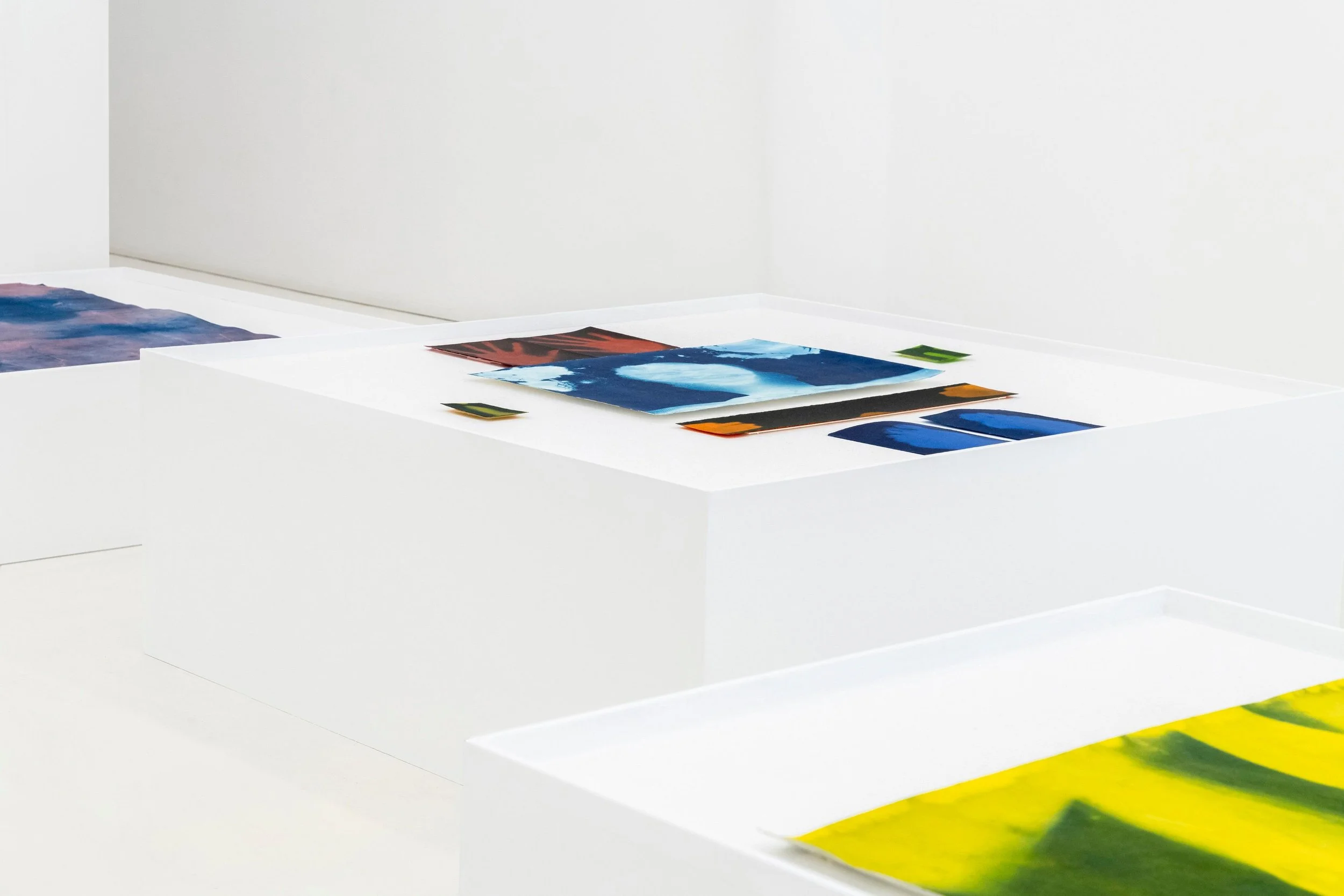
Artist Rabin Huissen records accounts of the human form as it is conditioned by its physical gestures, the surroundings in which these are acted, and the everyday conditions that quietly regulate lived experience.
Mat Dryhurst makes software the way others make manifestos. Curated alongside Holly Herndon, Hans Ulrich Obrist, and Adriana Rispoli, his Attention Guild installation at Palazzo Diedo is the clearest version yet of what he calls protocol art: a parliament of humans and agents, and a gift economy that runs.
Joan Horrach moved from ballet to Bruce Nauman, and the distance turned out to be short. The Palma-born artist makes work where the body is both subject and instrument, and where ‘the act of waiting’ proves to be the hardest act of all.
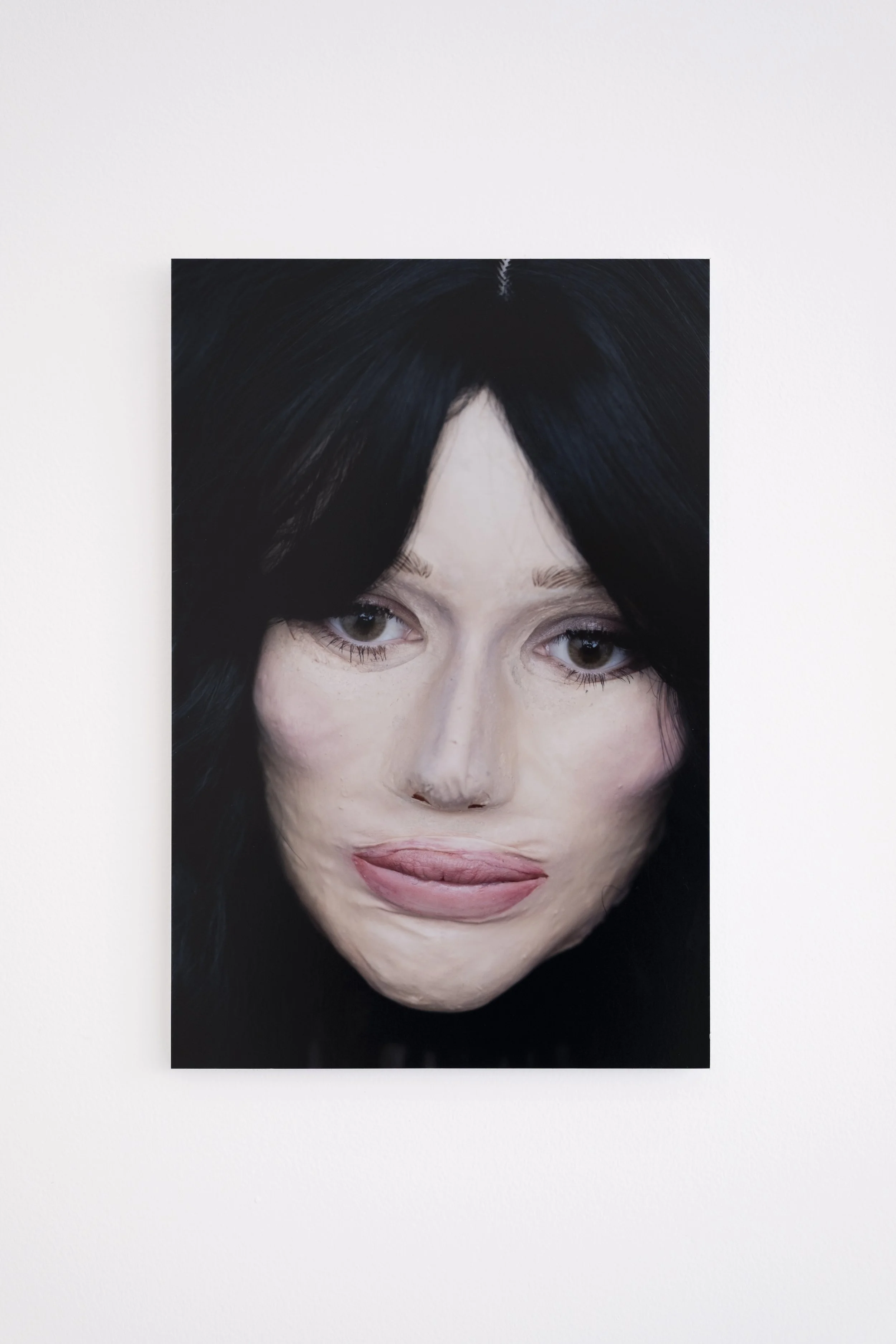
With Poupée de Peau, currently on view at Alo Galerie until May 30, Noémie Ninot explores how patriarchal beauty standards shape femininity through self-portraiture, repetition, and artificiality.
Genti Korini resurrects early 20th-century avant-garde research to critique the exoticization of Albania. By staging an archival Russian parody, he exposes the failure of language to capture the other.
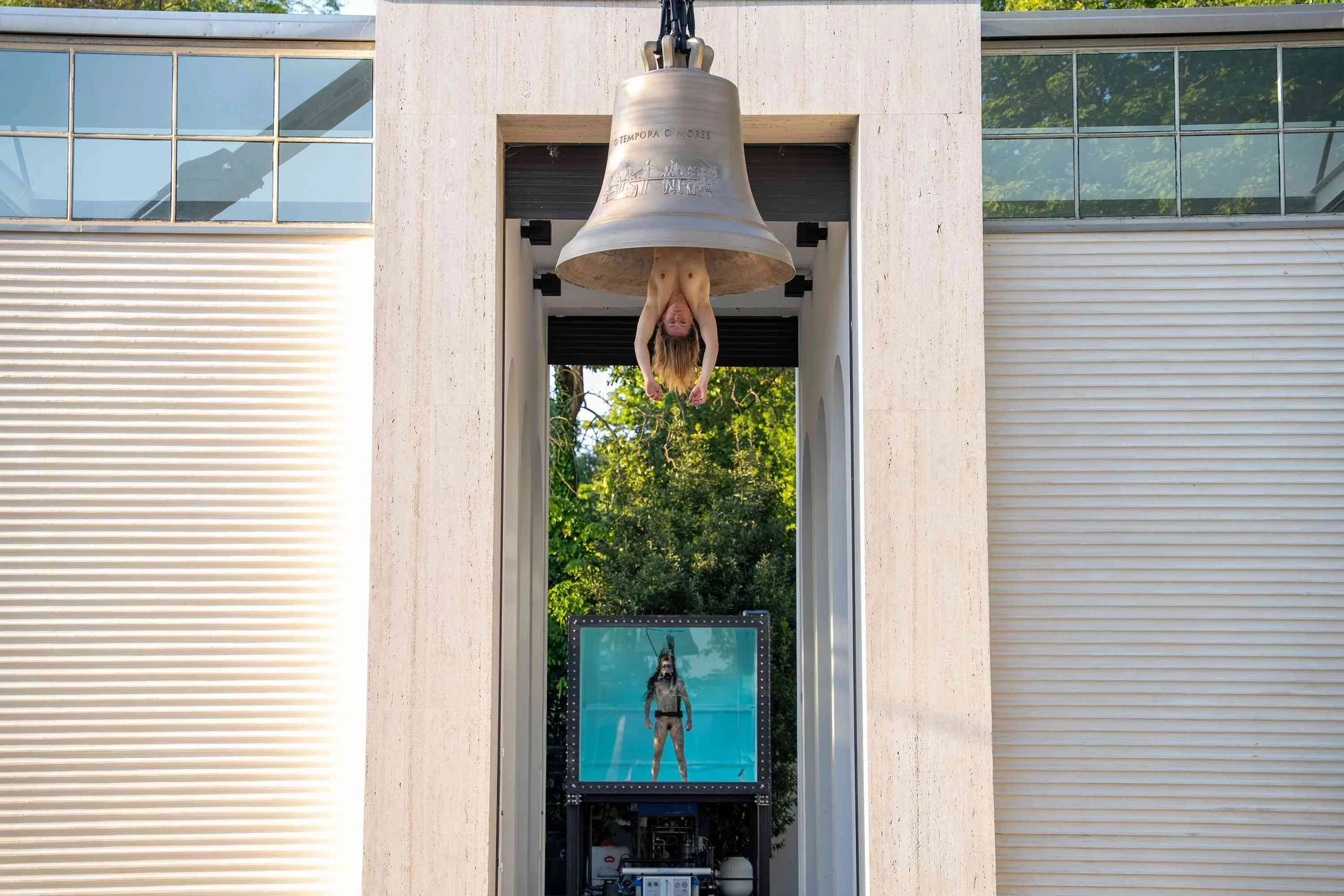
What remains after provocation? Reading SEAWORLD VENICE by Florentina Holzinger.
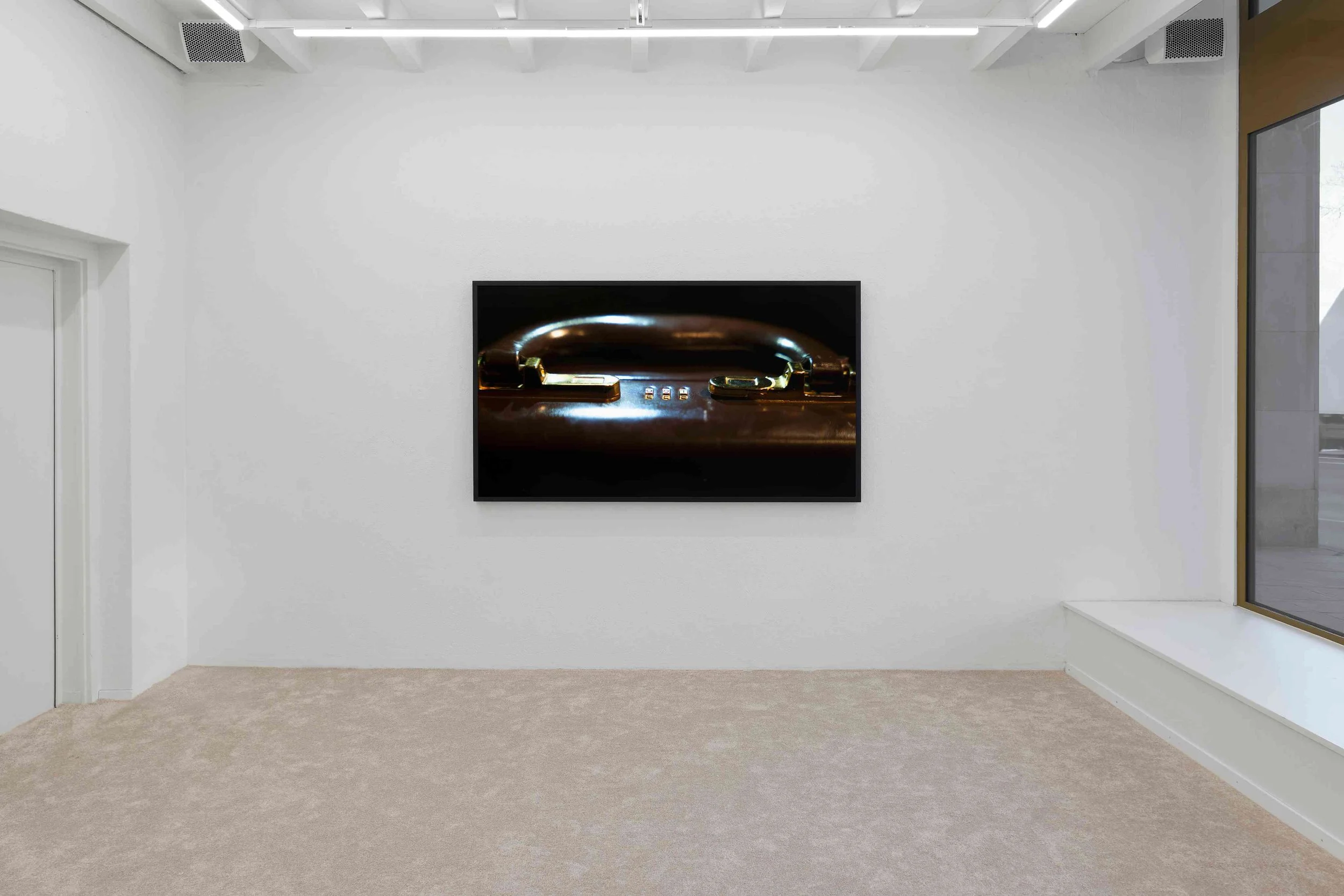
Julian-Jakob Kneer presents attaché briefcases as screens for fantasy. These sealed objects project authority and perversion, trapping the viewer between masculine discipline and lavish, corrupted artifice.
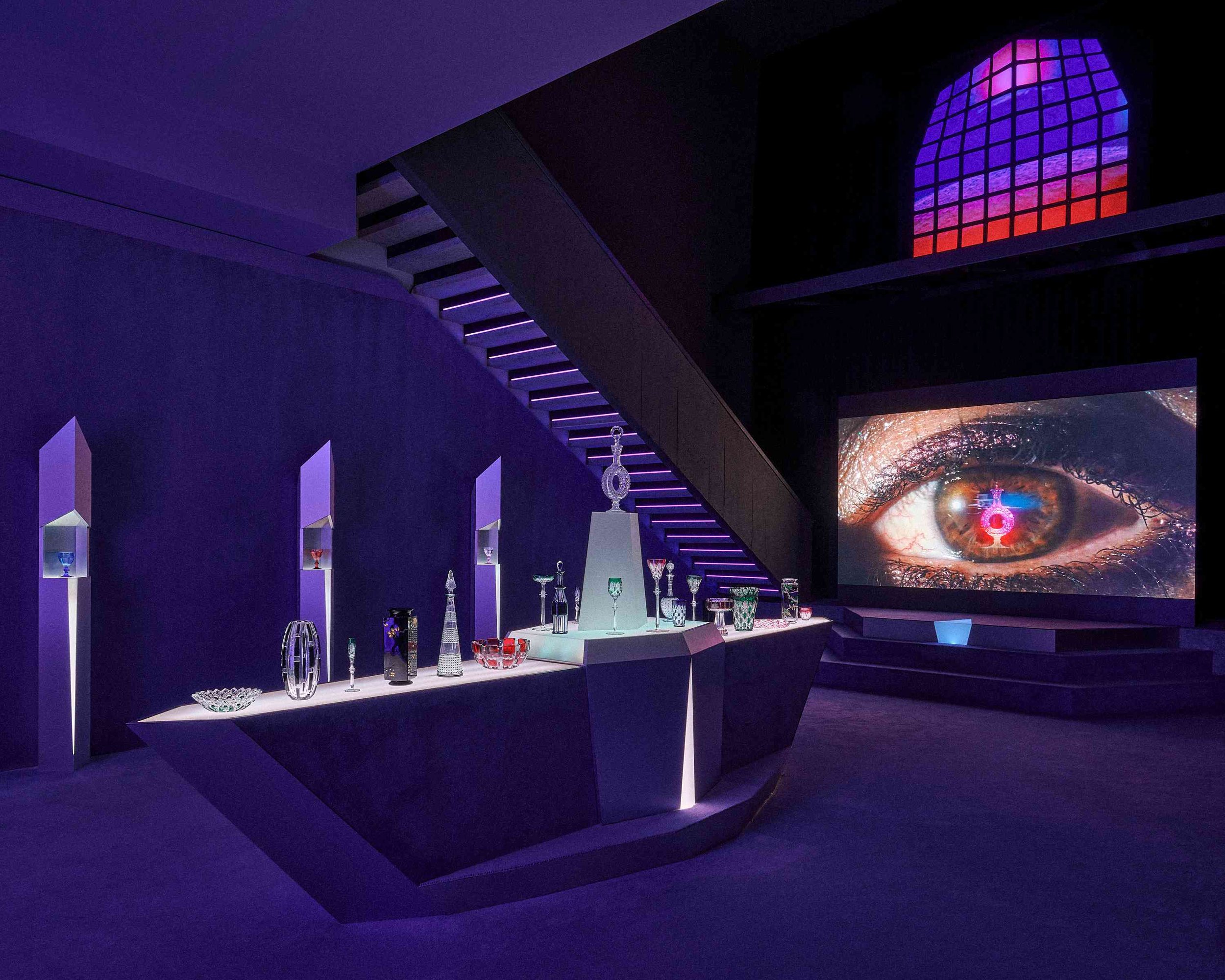
Crystal Crypt gave Milan Design Week its most unsettling room. Luciani's cyberpunk rituals met Wood's Mille Fleurs in a Baccarat that felt genuinely alive, and genuinely mortal.
Moving beyond the notion of space as a mere shell, Benni Bosetto’s Rebecca functions as an autonomous organism. Through July 2026, the exhibition navigates the porous membranes between intimacy and feminine memory.
Kushtrim Memeti turns the Trepça mine into testimony. Minerals, metal, and broken bodies speak where official language stays silent. Resistance surfaces through weight, friction, and refusal.
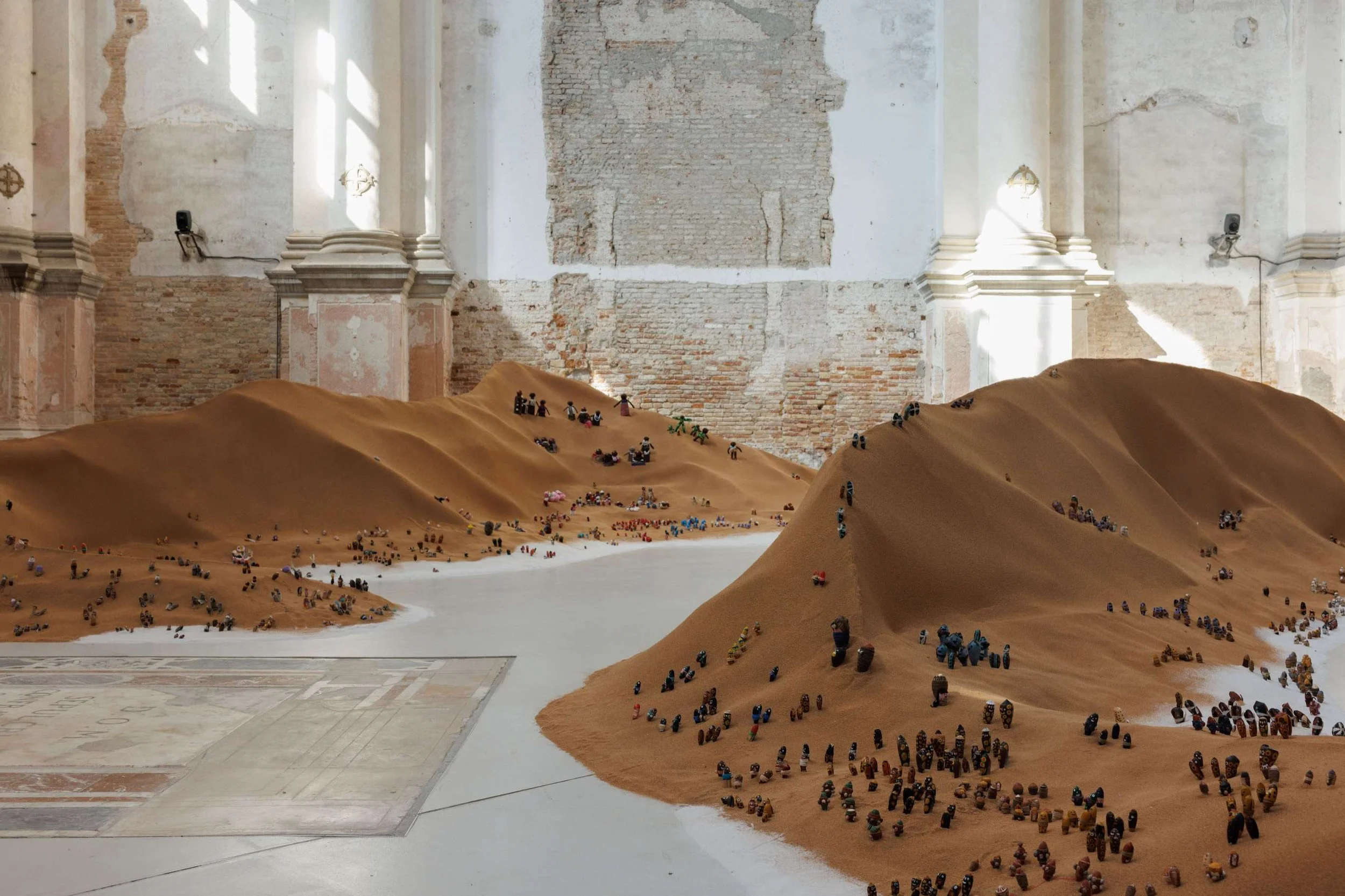
“Tide of Returns” opens the 2026 season of Ocean Space in the former Church of San Lorenzo in Venice, from late March through October 11. Like the tides themselves, the exhibition carries back what once seemed lost: objects, memories, identities torn from the communities that had given them life.
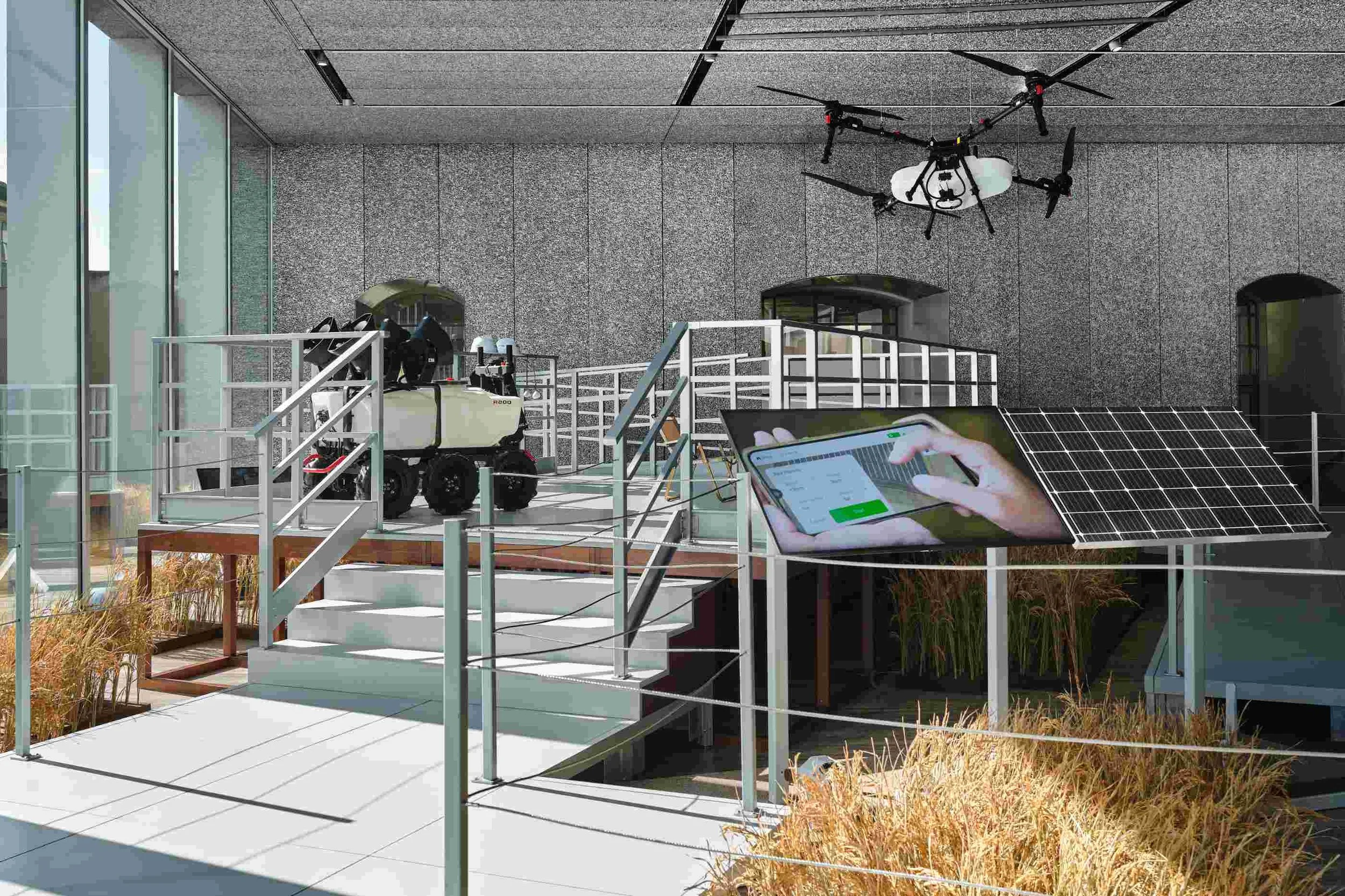
Cao Fei turns a rice field into a philosophical question. Drones replace gods. Algorithms rewrite ancient rituals. Milan, April–September 2026. Fondazione Prada.